
South African Guide to Buying Repaired Cars: What Every Buyer Should Know
Thinking of buying a repaired car in South Africa? Learn how to check vehicle codes, inspect repairs, handle paperwork, and avoid common pitfalls before you commit.
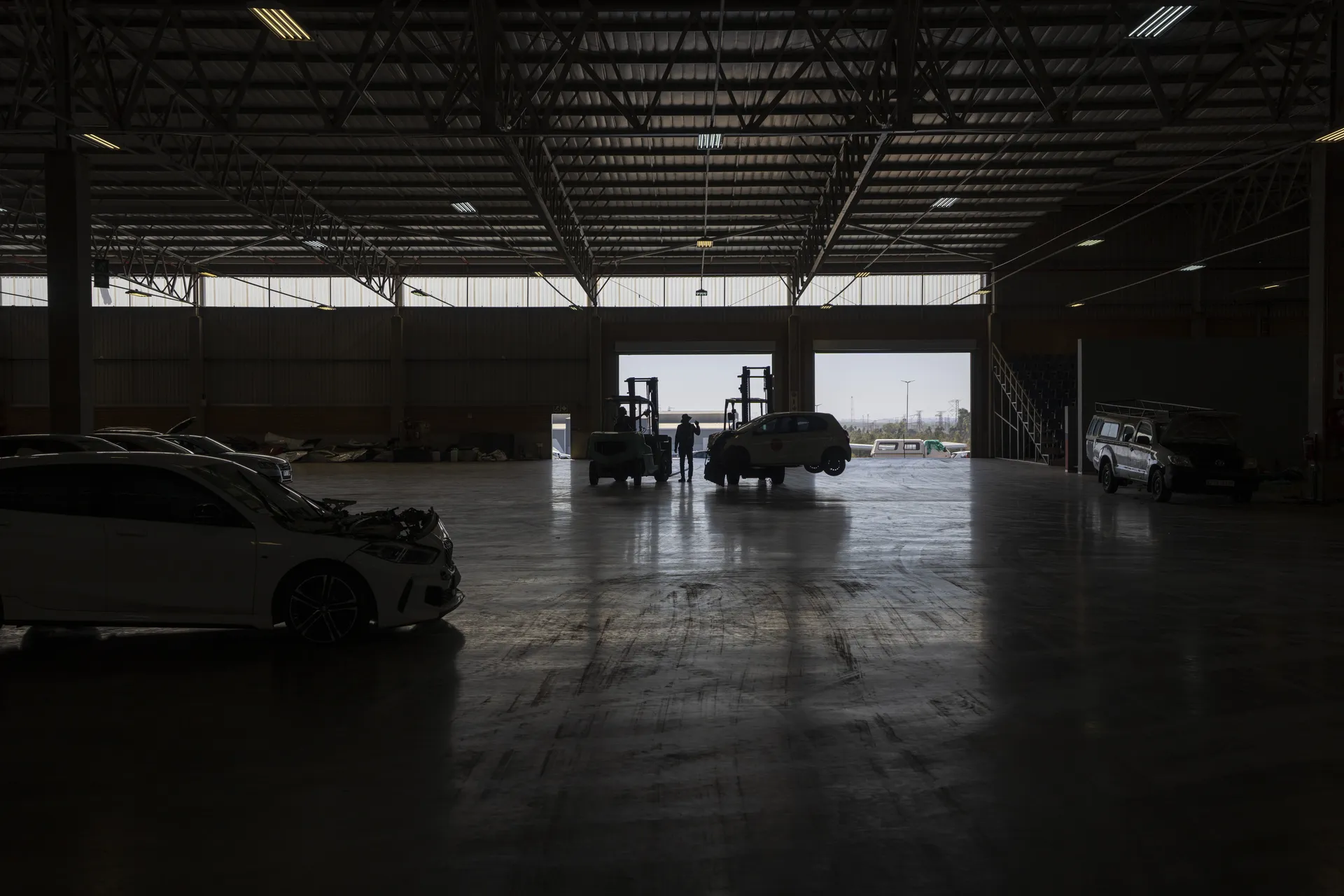
Overview: What Are Repaired Cars?
In South Africa, a "repaired car" typically refers to a vehicle that's suffered significant damage-often due to accident, fire, flood, or theft-and has subsequently been repaired and re-registered for road use. These vehicles can offer cost savings but also carry unique risks you should understand before making a purchase.
The South African salvage market includes both professionally restored vehicles and those with questionable repairs. This guide covers how to identify repaired cars, evaluate their true condition, handle legal aspects, and avoid costly mistakes-whether you're in Johannesburg, Cape Town, Durban or elsewhere.
Why Buy a Repaired Car?
- Lower purchase prices compared to undamaged equivalents
- Potential to drive newer or higher-spec models for less
- Access to vehicles that may otherwise be unaffordable
Types of Damage: What Should Concern You?
| Damage Type | Typical Risks | Repair Impact |
|---|---|---|
| Structural (Chassis/Frame) | Safety, alignment, insurance coverage | High risk - requires certified, expert repair |
| Cosmetic (Body Panels, Paint) | Rust, mismatched paint, resale value | Medium - assess finish and professionalism |
| Electrical/Mechanical | Ongoing faults or unreliable systems | Medium/High - test all functions in detail |
| Flood/Fire Damage | Corrosion, hidden defects | High risk - often best avoided |
Should You Buy a Repaired Car or Not?
Deciding between a repaired vehicle and an undamaged one often comes down to the balance of budget, risk appetite, and ability to verify repair quality. An independent inspection can make all the difference.
Cost Comparison: Repaired vs. Undamaged
| Scenario | Typical Price Difference (Estimate) |
|---|---|
| Late-model hatchback, minor repaired accident | 15-30% less than non-accident equivalent |
| Luxury sedan, major repair/written off | Up to 40% less than book value |
While these discounts can be appealing, hidden costs from poor repairs may quickly erode savings.
Key Steps for Buying a Repaired Car Safely
- Request the complete accident and repair history, including insurer documentation or repair invoices.
- Conduct a VIN check using South African databases to track previous write-off status, finance, or major claims.
- Insist on an independent inspection by a qualified mechanic or roadworthy testing centre-many issues are not visible to an untrained eye.
- Check that the NaTIS (National Traffic Information System) registration is up to date and reflects the car's current, legal status.
- Clarify if the car is classified as 'rebuilt,' 'code 3,' or 'code 2'-this affects roadworthiness and insurance.
- Get a written, itemised sales agreement that details all disclosures about previous damage.
Legal Considerations & Paperwork
South Africa's legislation requires full disclosure of a repaired car's write-off status. The key codes are:
- Code 2: Used but undamaged (normal secondhand)
- Code 3: Rebuilt - previously written off due to major damage and now restored
- Code 4: Permanently demolished/scrapped; not eligible for registration
Be wary: Some sellers misrepresent code 3 vehicles as code 2. Always check the NaTIS registration certificate and match it to the vehicle.
Tips to Avoid Common Pitfalls
- Beware of "unusually low" offers-if it sounds too good to be true, it likely is.
- Ask about ongoing warranties; many manufacturers void coverage after major repairs.
- Research the repairer's reputation-prefer RMI-accredited or manufacturer-approved workshops.
- Review paperwork for legitimate deregistration and re-registration history.
What Happens After the Sale?
Once purchased, ensure timely transfer into your name via the local licensing office. Some buyers of repaired cars find that resell value is lower than for "clean title" vehicles, so consider long-term ownership. Keep all receipts and documents for future reference or resale.
Sources
Seasoned automotive specialists dedicated to helping you turn your damaged or non-running vehicle into cash fast and hassle-free.
Disclaimer: This content is for educational purposes only. Product availability, pricing, and specifications are subject to change. Always verify current details on the retailer's website before making a purchase. We may earn affiliate commissions from qualifying purchases.
Why sell your damaged car to us?

A Division of Auction Nation, the leading expert in selling damaged cars

Best price for your damaged car

Get a cash offer within 24h

We buy damaged cars in any condition

We buy accident- damaged cars still under finance

Free, no obligation offer on your vehicle
How We Calculate Your Damaged Car’s Value
Wondering how we calculate your car’s value? At Sell Your Damaged Car, we look at: Your car’s real condition, its salvage value, and the current market demand. It’s all about honesty, transparency, and fairness — that’s how we determine your offer.
Frequently Asked Questions
Get answers to common questions about Selling Guides
Why Choose Sell Your Damaged Car?
Free Towing
Need a tow? We got you
Hassle Free
Get a cash offer within 24h!
Nationwide
Somewhere remote? No problem!
