
Pre-Purchase Inspection for Damaged Cars in South Africa - Checklist & Local Guidance
Learn how to inspect damaged cars in South Africa: step-by-step checklist, repair vs value guidance, paperwork checks and practical examples for Johannesburg, Cape Town and Durban.
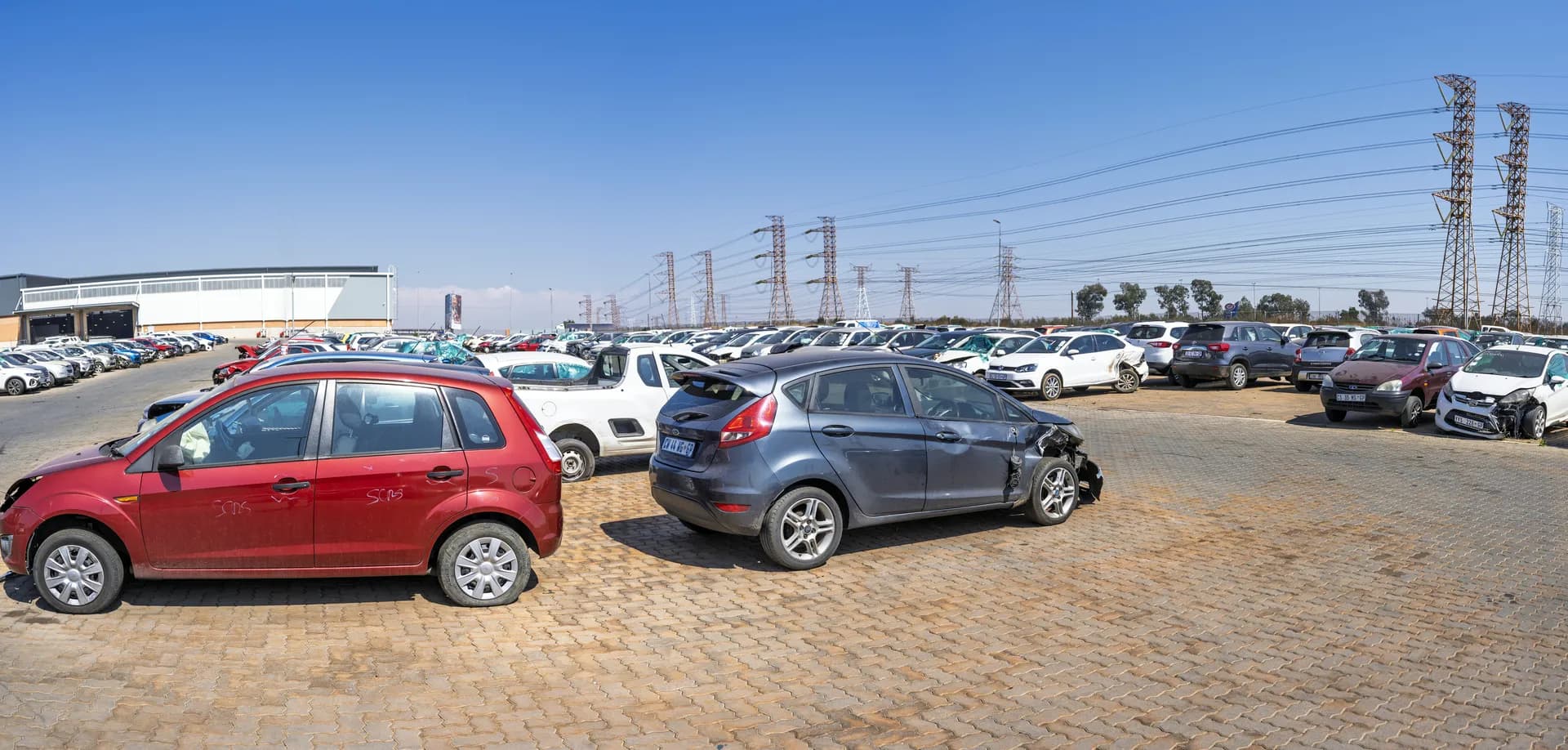
Inspection Checklist
Key items to verify: frame, electrics, airbags, odometer and documents.
Cost vs Value
Compare repair estimates (R) to likely resale value before buying.
SA Legal Notes
Confirm title, finance status and re-registration requirements in SA.
Overview: Why a pre-purchase inspection matters for damaged cars
A thorough pre-purchase inspection for damaged cars in South Africa reduces financial and safety risk. When a vehicle has been in an accident, flood or fire, hidden issues are common: structural damage, electrical faults, compromised safety systems and possible title or finance problems. This guide helps buyers, fleet managers and private owners evaluate risk, estimate repair complexity and make a more informed decision.
When to repair, when to walk away
Deciding between repair and passing on a damaged car depends on three factors: repair cost, residual market value after repair and compliance complexity (e.g., safety and registration). Use local South African benchmarks when estimating costs and resale potential - labour, parts availability and salvage demand vary between Johannesburg, Cape Town and Durban.
Quick decision rules
- If estimated repair costs exceed a conservative percentage of the vehicle's clean-market value, selling or sourcing another car is often wiser.
- Structural or fire damage that affects chassis integrity usually reduces a vehicle's long-term safety and value substantially.
- Electrical or mechanical faults that are isolated and have reliable local parts may be repairable at reasonable cost.
| Repair cost vs value retained (illustrative, ZAR) | Estimated repair cost (R) | Value retained after repair (%) |
|---|---|---|
| Minor cosmetic & bumper repairs | R3,000 - R10,000 | 90-95% |
| Moderate structural repairs (panels, suspension) | R15,000 - R60,000 | 60-85% |
| Major chassis/flood/fire repairs | R60,000+ | 20-60% (highly variable) |
Note: Figures above are indicative ranges for South Africa in 2025 and should be confirmed with local repairers. Currency shown as R (South African Rand). Always get a written quote for repairs before finalising a purchase.
How a pre-purchase inspection for damaged cars works
A professional inspection combines visual checks, diagnostic scans, test drives (if possible) and document verification. For salvaged or written-off vehicles, the focus expands to structural integrity, previous repairs quality, odometer authenticity and any outstanding finance or insurance write-offs.
Standard inspection checklist
- Bodywork: look for panel gaps, uneven paint, fresh welding or misaligned doors.
- Frame & subframe: measure for bends, repaired sections or visible rust.
- Mechanical: inspect suspension, steering components and engine mounts for impact damage.
- Electrical: check lights, airbags, ECU fault codes and wiring harness condition.
- Interior: inspect airbag deployment history, seatbelt integrity and water staining.
- History & paperwork: confirm registration, check for finance against the vehicle and review previous insurance write-off notes.
If you lack technical knowledge, engage an independent inspection service or request a detailed report from accredited mechanics. For vendors that offer online valuations, compare their notes with an independent inspection before agreeing to buy or commit funds. For background on how vehicle buying services handle damaged cars, see our About / How it works page.
If the vehicle doesn't run or was written off, specialised transport and salvage handling may be required; read practical options on the Sell Non-Running Car page.
Legal & paperwork considerations in South Africa
South African buyers must verify title, outstanding finance, deregistration history and any insurance write-off records. Vehicles under finance cannot legally be transferred without the lender's consent. Confirm the registration certificate (logbook), contact details of the registered owner and request a written statement about any previous write-off status. If the seller is a dealer, ask for VAT and compliance documents where applicable.
Practical checks
- Ask the seller for the original registration papers and proof of ID.
- Request a clearance letter if the vehicle was previously under a finance agreement.
- Consider a professional search to confirm no outstanding road traffic fines or administrative blocks.
Damage types vs typical inspection impact
| Damage type | Inspection focus | Typical buyer concern |
|---|---|---|
| Minor cosmetic | Paint matching, panel alignment | Repair cost and resale perception |
| Structural / frame | Frame straightness, weld quality | Safety and long-term durability |
| Flood damage | Corrosion, electrical systems, interior odour | Hidden faults and electrical failure risk |
| Fire damage | Structural heat effects, wiring and plastics | Extensive replacement needed; high cost |
Tips to maximise value and reduce risk when buying
- Obtain at least two independent inspection reports and compare findings.
- Get written repair estimates from reputable local workshops in the metro where you intend to use the vehicle (Johannesburg, Cape Town, Durban pricing can differ).
- Factor in deregistration or salvage conversion costs if you plan to re-register the vehicle for road use.
- Negotiate on documented issues only - ask the seller to confirm any repairs in writing.
- For non-running or heavily damaged cars, consider the logistics and cost of collection; specialised services that arrange towing and paperwork can simplify the process - learn how this works on our Sell Damaged Cars page.
What happens after purchase - responsibilities and next steps
After buying a damaged car, the buyer becomes responsible for repairs, re-registration (if applicable) and ensuring the vehicle meets National Regulator standards for roadworthiness. If the vehicle remains in a salvage category, confirm the legal pathway to return it to road status in South Africa before incurring significant costs.
If you change your mind about owning a damaged vehicle, options include selling it on the open market, disposing through a licensed salvage auction, or offering it to specialist buyers who handle collection and paperwork. For more on how specialist buyers operate and their typical inclusions, see our homepage overview at Sell Your Damaged Car.
Practical South Africa examples
Example 1 - Cape Town: A buyer inspects a light frontal-impact hatchback. Independent inspection finds no frame damage but requires R12,000 in repairs to steering and radiator. Given local trade values, the buyer negotiates a discount and secures written estimates before purchase.
Example 2 - Durban: A coastal flood-affected sedan shows salt corrosion in the boot and starter motor faults. The inspection flags extensive electrical risks; the buyer chooses not to proceed due to higher long-term maintenance risk in a humid coastal environment.
Sources
- Automobile Association (AA) - Used car checks and inspection guidance
- Department of Transport, South Africa - Registration and roadworthiness information
- South African Insurance Association - Consumer guides on write-offs and salvage
If you plan to buy a damaged vehicle, rely on documented inspection reports, realistic repair estimates in R, and a clear understanding of legal obligations in South Africa. Using independent inspections and verifying paperwork reduces surprises and helps you make a safer, more informed purchase decision.
Seasoned automotive specialists dedicated to helping you turn your damaged or non-running vehicle into cash fast and hassle-free.
Disclaimer: This content is for educational purposes only. Product availability, pricing, and specifications are subject to change. Always verify current details on the retailer's website before making a purchase. We may earn affiliate commissions from qualifying purchases.
Why sell your damaged car to us?

A Division of Auction Nation, the leading expert in selling damaged cars

Best price for your damaged car

Get a cash offer within 24h

We buy damaged cars in any condition

We buy accident- damaged cars still under finance

Free, no obligation offer on your vehicle
How We Calculate Your Damaged Car’s Value
Wondering how we calculate your car’s value? At Sell Your Damaged Car, we look at: Your car’s real condition, its salvage value, and the current market demand. It’s all about honesty, transparency, and fairness — that’s how we determine your offer.
Frequently Asked Questions
Get answers to common questions about Tips And Advice
Why Choose Sell Your Damaged Car?
Free Towing
Need a tow? We got you
Hassle Free
Get a cash offer within 24h!
Nationwide
Somewhere remote? No problem!
