
How to Evaluate a Used Car in South Africa: Key Checks Before You Buy or Sell
Learn step-by-step how to evaluate a used car's condition, value, and paperwork in South Africa for safe buying or selling decisions.
Overview: Why Evaluating a Used Car Matters
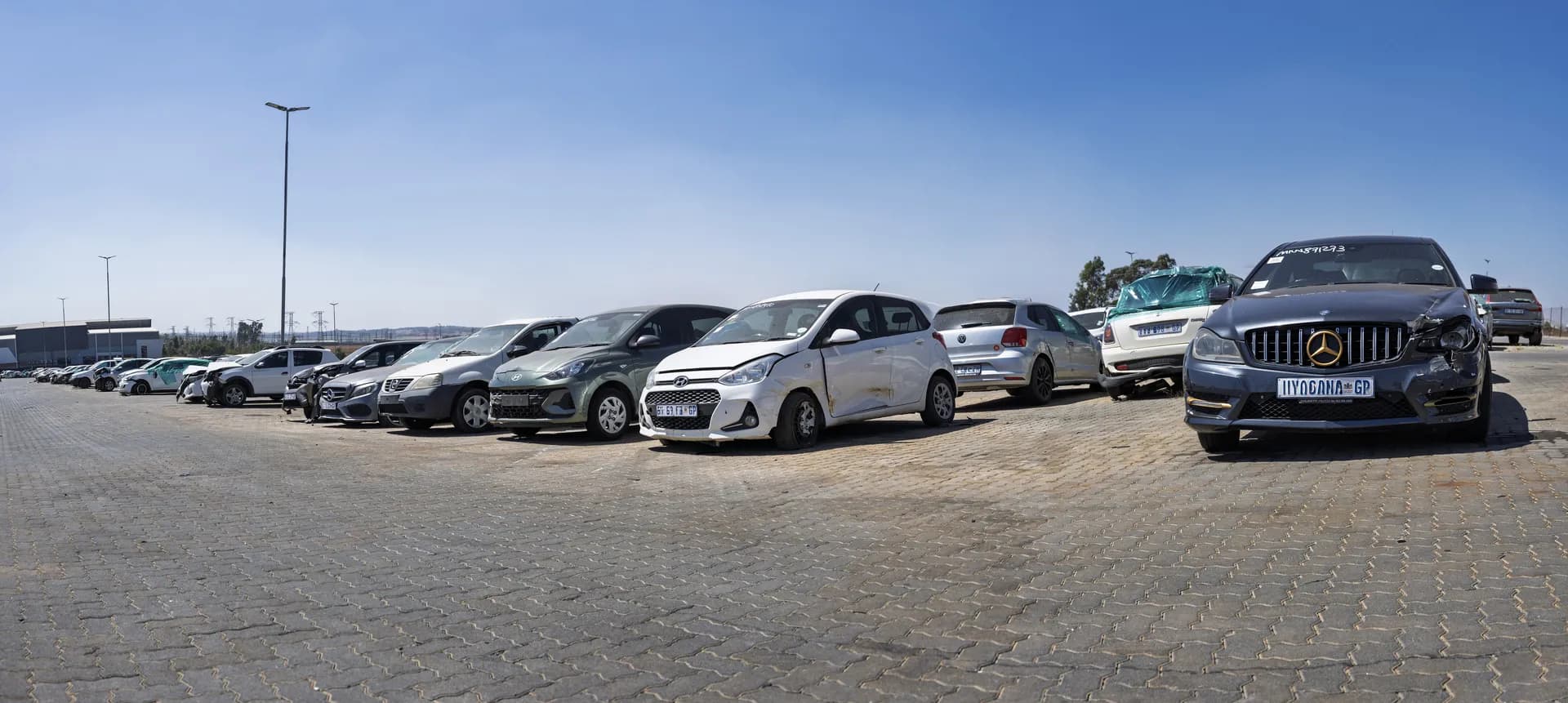
Whether you're buying or selling a used car in South Africa, an accurate evaluation is essential. For sellers, a fair valuation ensures a competitive offer without undervaluing your asset. For buyers, assessing a car correctly minimises the risk of costly surprises such as hidden accident damage or mechanical issues. This guide outlines the key steps, documentation, and pitfalls to watch for when evaluating a pre-owned vehicle-tailored to both private car owners and small business fleet sellers in Johannesburg, Cape Town, Durban, and nationwide.
Key Aspects to Evaluate: Exterior, Interior & Mechanical
- Body condition: Look for accident repairs, mismatched paint, dents, and rust.
- Chassis & structural check: Ensure there's no evidence of major accident repairs, welding, or warping.
- Mileage check: Compare indicated mileage to the vehicle's age and wear on pedals/seating for inconsistencies.
- Service history: Full records from a reputable dealership or garage demonstrate regular maintenance.
- Engine, gearbox & suspension: Listen for irregular noises, check for leaks, and inspect for warning lights on the dash.
- Tyres & brakes: Ensure even tyre wear and check brake response for safety.
- Interior electronics: Test all switches, climate control, infotainment, and windows.
Document & Paperwork Essentials in SA
- Original registration certificate (NaTIS or logbook)
- Proof of ownership (settlement letter if under finance)
- Service records & recent repair invoices
- Latest roadworthy certificate (required for transfer of ownership)
| Check | Why It Matters | SA-Specific Note |
|---|---|---|
| Chassis / VIN | Confirms legal ID, checks for theft/clone risk | VIN must match NaTIS & licence disc |
| Full service history | Evidence of care, affects value | Gaps may lower value by 10-20% |
| Accident damage | Major repairs may lower resale value | Check for 'code 2' or 'code 3' status |
| Mechanical assessment | Find hidden engine/gearbox issues | Independent inspection recommended |
When to Sell vs Repair: Assessing Value Retained
If the car needs repairs, weigh the estimated cost against its market value. Use the table below to compare repair costs against expected value gains. In many cases-especially after major accidents or engine failures-selling may be more sensible than expensive repairs.
| Repair Type | Typical SA Cost (R) | Change in Value |
|---|---|---|
| Minor panel beating | R2,500 - R8,000 | Restores appearance but modest resale lift |
| Major engine repairs | R15,000+ | Often uneconomical-selling may be wiser |
| Brake/tyre replacement | R3,000 - R7,000 | Improves safety and buyer appeal |
Understanding 'Code 2' and 'Code 3' in South Africa
In SA, a 'code 2' vehicle is a used car in standard circulation, while 'code 3' is a rebuilt (previously written-off) car. Code 3s are significantly less valuable and may not be insurable. Always verify the code status during evaluation.
Tips to Maximise Your Offer When Selling Used Cars
- Have all paperwork ready: NaTIS, service records, original ID/ownership docs.
- Clean the car thoroughly-inside and out.
- Take clear, well-lit photos from multiple angles of bodywork and cabin.
- Be transparent about known defects; honesty builds buyer trust.
- For non-running or accident-damaged cars, seek a specialist buyer such as Sell Your Damaged Car to avoid private-sale risks.
What Happens After Evaluation: SA-Specific Next Steps
- For private sales, complete an official change of ownership at your nearest licensing centre.
- Arrange a roadworthy inspection if the buyer requests it (required for all licensed transfers).
- For vehicles under finance, obtain settlement figures from your bank-no sale can proceed until the finance is cleared.
- For salvage or non-running cars, consider reputable companies that include free collection and admin support.
Common Pitfalls to Avoid
- Skipping an independent inspection-especially if buying from a private party.
- Not checking outstanding finance or police clearance for older vehicles.
- Accepting below-market offers without understanding true value-use valuation tools and expert advice.
Sources
Seasoned automotive specialists dedicated to helping you turn your damaged or non-running vehicle into cash fast and hassle-free.
Disclaimer: This content is for educational purposes only. Product availability, pricing, and specifications are subject to change. Always verify current details on the retailer's website before making a purchase. We may earn affiliate commissions from qualifying purchases.
Why sell your damaged car to us?

A Division of Auction Nation, the leading expert in selling damaged cars

Best price for your damaged car

Get a cash offer within 24h

We buy damaged cars in any condition

We buy accident- damaged cars still under finance

Free, no obligation offer on your vehicle
How We Calculate Your Damaged Car’s Value
Wondering how we calculate your car’s value? At Sell Your Damaged Car, we look at: Your car’s real condition, its salvage value, and the current market demand. It’s all about honesty, transparency, and fairness — that’s how we determine your offer.
Frequently Asked Questions
Get answers to common questions about Selling Guides
Why Choose Sell Your Damaged Car?
Free Towing
Need a tow? We got you
Hassle Free
Get a cash offer within 24h!
Nationwide
Somewhere remote? No problem!
