
Safety Inspections for Used Cars in South Africa: What Owners Need to Know
Learn when safety inspections are required for used cars in South Africa, what an RWC covers, and how damaged car owners can sell vehicles without costly repairs.
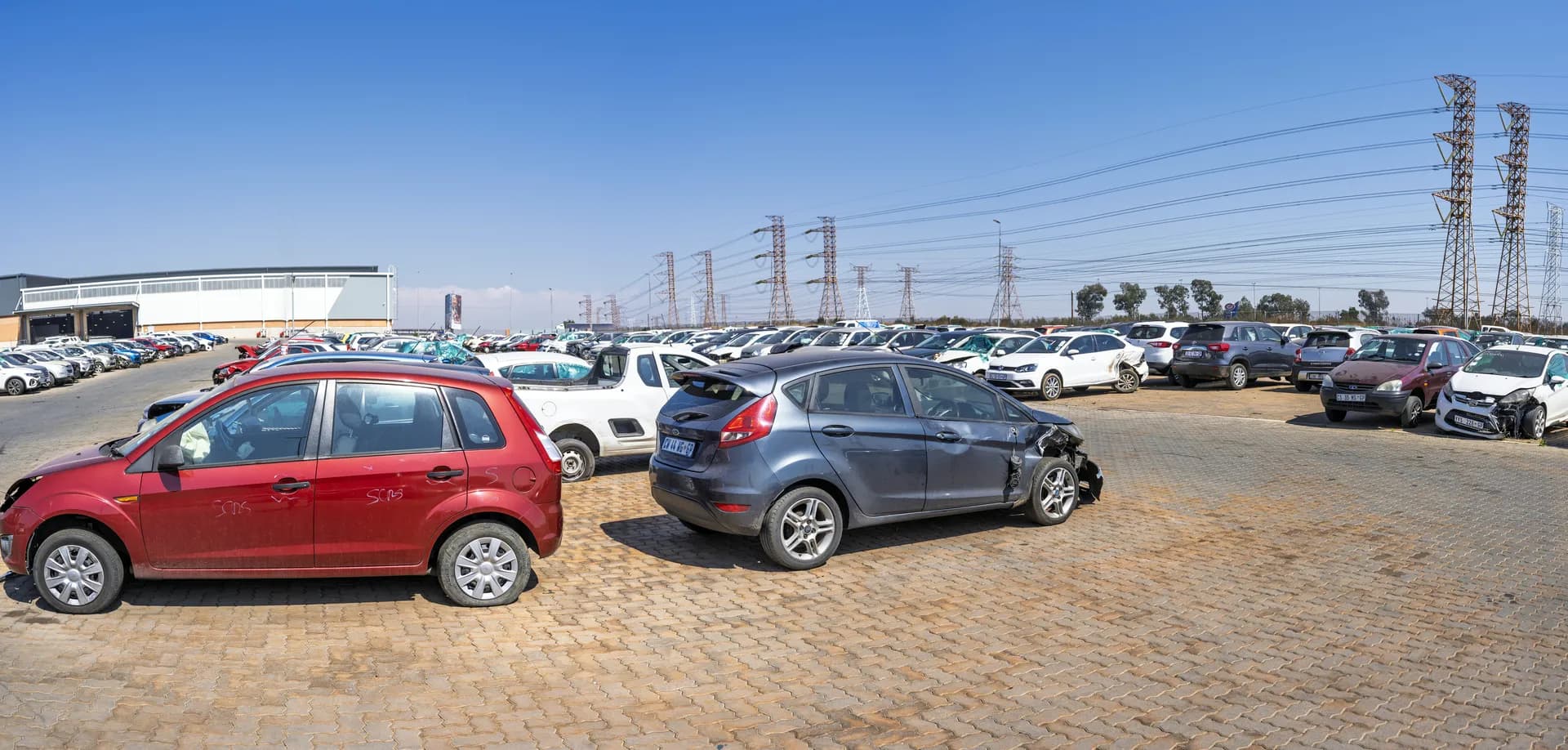
Overview: Why Safety Inspections Matter for Used Cars
If you own a used car in South Africa-especially one with damage, mechanical issues, or that's been written off-safety inspections are a crucial part of the vehicle lifecycle. Whether you're looking to sell, transfer ownership, or simply keep your car roadworthy, understanding the inspection requirements can save you from legal trouble, financial loss, or safety risks. This guide unpacks when a safety inspection is needed, how the process works, and how it applies to damaged or salvage vehicles.
When Are Safety Inspections Required in South Africa?
In South Africa, safety inspections for used cars-referred to as a 'Roadworthy Certificate' or RWC-are legally required in these scenarios:
- Transferring ownership when selling a vehicle
- Registering an imported or rebuilt car
- Re-registering a deregistered or rebuilt vehicle
- Following a write-off, prior to re-licensing (if the car is rebuilt)
- Commercial vehicles and taxis (periodic, annual requirements)
Notably, a car does not need to be roadworthy to be sold to salvage specialists or car-buying services like Sell Your Damaged Car, but you cannot legally drive or re-register it on public roads without a valid RWC.
Remember: If your used car is damaged, non-running, or written off, specialist buyers typically do not require a valid roadworthy certificate from you. This allows owners to sell vehicles that would not pass inspection cost-effectively and without extra paperwork.
What Does a Safety Inspection (RWC) Cover?
A standard roadworthy inspection at a vehicle testing station covers critical safety and regulatory checks, including:
- Brakes, steering, suspension
- Tyres, wheels, and rims
- Lights, reflectors, indicators
- Windscreen, wipers, and mirrors
- Body condition and chassis integrity
- Seat belts and airbags (if fitted)
- Number plates and VIN confirmation
Many accident-damaged, non-running, or heavily modified vehicles will fail some or all of these checks.
Table: Typical Inspection Failures vs Causes
| Failure Type | Common Causes | Repair Implications |
|---|---|---|
| Brakes/Suspension | Accident impact, wear, leaking shocks, seized brakes | Safety-critical; may be costly |
| Tyres | Bald, sidewall cuts, mismatched sets | R1,500 - R8,000+ per set (est.) |
| Lighting/Electrical | Crash damage, wiring faults, broken housings | Minor to moderate cost; varies by vehicle |
| Structural/Body | Panel damage, poor repairs, chassis rust | Repair often not economically viable |
SA-Specific Notes: Damaged Cars, Salvage, and Safety Checks
If your car is written off, declared a Code 3 (rebuilt) or Code 4 (permanently unfit for road use) on the National Traffic Information System (NaTIS), safety inspection rules change:
- Code 3 rebuilds require intensive inspection and proof of repairs before being roadworthy-certified.
- Code 4 vehicles cannot be returned to the road, but may be sold for parts/salvage.
Most private sellers opt to sell these vehicles in "as-is" condition to specialist buyers, who do not require an RWC and handle all legal compliance from there.
How the Used Car Safety Inspection Process Works
A typical RWC process at a South African vehicle testing station includes:
- Book and bring your car to an accredited centre
- Technicians assess, photograph and test safety components
- Receive a pass or fail report listing required remedial work
- Rectify any faults and return for re-inspection if needed
The costs range from R500-R1,000+ (2024) for a standard car, excluding any required mechanical work or parts.
Legal & Admin: Paperwork for Damaged or Non-Running Cars
When selling or deregistering a used car in South Africa, you may encounter the following paperwork:
- NaTIS registration certificate (logbook)
- Roadworthy Certificate (RWC) if transferring to another owner or entity
- NCO (Notification of Change of Ownership) form
- Deregistration forms if scrapping, exporting or selling to salvage
With damaged, written-off, or non-running cars, it's common to sell directly to a specialist service that handles all paperwork and towing on your behalf-greatly reducing hassle and ensuring legal compliance.
Tip: Selling to a licensed car-buying service like Sell Your Damaged Car streamlines the process-even if your vehicle cannot pass a safety inspection or is classified as Code 3/4.
Maximising Your Offer on a Damaged Car
- Be honest and detailed about current vehicle condition-include photos of all damage
- List known safety faults, mechanical problems, or missing parts
- Disclose if the car has been written-off, deregistered, or given Code 3/4 status
- Provide original paperwork even if not all documents are complete
Transparency helps the buyer assess risk and provide a fair, competitive cash offer, even for vehicles that could not pass a safety inspection.
What Happens After a Damaged Car Fails Inspection?
If your used car fails a safety inspection and repairs are too costly, you can still sell it. Services like Sell Your Damaged Car accept vehicles in any condition, offering free nationwide collection and handling the admin, so you don't have to invest in further repairs or stress about getting an RWC.
Quick Comparison: Selling With and Without Safety Inspection
| Scenario | Private Sale | Specialist Buyer |
|---|---|---|
| Car passes inspection | Higher price, paperwork required | Accepted with/without certificate |
| Car fails inspection | Must fix faults or sell "as-is" below market value | Accepted in any condition |
| Car is non-running | Very limited private buyers | Free collection, all paperwork handled |
Summary: Safety Inspection Takeaways for SA Used Car Sellers
- Safety inspections (RWC) are legally necessary for road use or change of ownership, but not for selling to a salvage/parts specialist
- Most accident-damaged, non-running, or written-off cars will not pass without expensive repairs
- Sell Your Damaged Car offers a solution if your car can't be economically fixed or inspected
- Pursue reputable buyers who provide transparent process, documented offers, and handle all deregistration/admin steps
Sources
Seasoned automotive specialists dedicated to helping you turn your damaged or non-running vehicle into cash fast and hassle-free.
Disclaimer: This content is for educational purposes only. Product availability, pricing, and specifications are subject to change. Always verify current details on the retailer's website before making a purchase. We may earn affiliate commissions from qualifying purchases.
Why sell your damaged car to us?

A Division of Auction Nation, the leading expert in selling damaged cars

Best price for your damaged car

Get a cash offer within 24h

We buy damaged cars in any condition

We buy accident- damaged cars still under finance

Free, no obligation offer on your vehicle
How We Calculate Your Damaged Car’s Value
Wondering how we calculate your car’s value? At Sell Your Damaged Car, we look at: Your car’s real condition, its salvage value, and the current market demand. It’s all about honesty, transparency, and fairness — that’s how we determine your offer.
Frequently Asked Questions
Get answers to common questions about Legal And Paperwork
Why Choose Sell Your Damaged Car?
Free Towing
Need a tow? We got you
Hassle Free
Get a cash offer within 24h!
Nationwide
Somewhere remote? No problem!
