
Buying Non-Running Cars in South Africa: Process, Paperwork & What to Expect
Learn how to buy non-running cars in South Africa. Covers process, paperwork, price factors, and what to expect from reputable services and salvage experts.
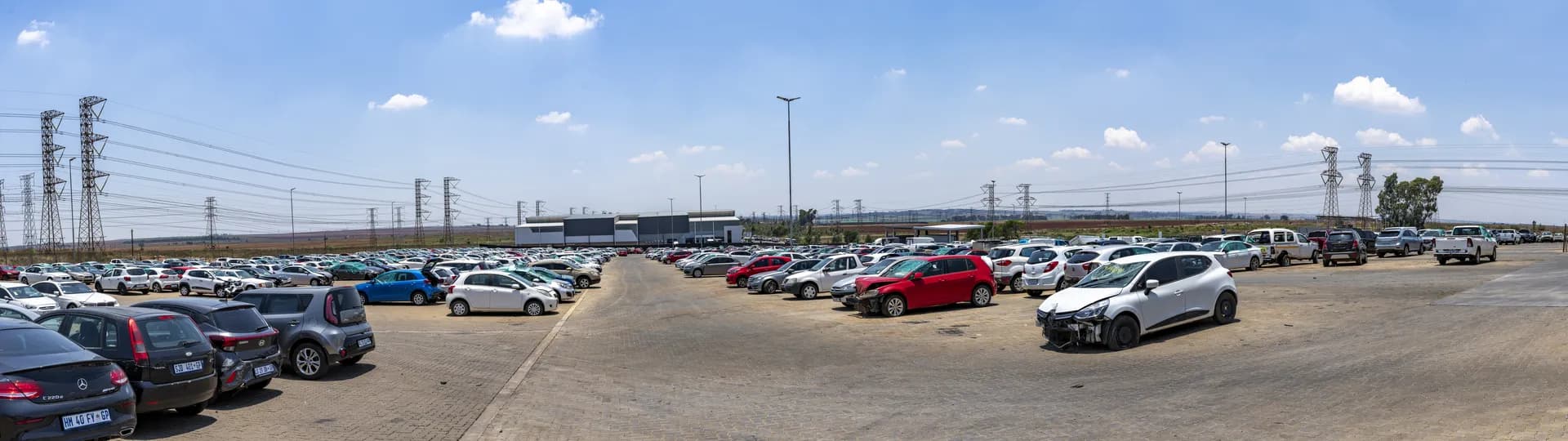
Understanding the Market for Non-Running Cars
South Africa's automotive market includes a vibrant segment for non-running vehicles. Whether a car is inoperative from engine failure, severe accident, or is a write-off, thousands of these vehicles change hands every year-often for salvage, parts or restoration. Buyers can range from specialists like Sell Your Damaged Car, scrapyards, mechanics, and rebuilders to private individuals seeking project cars. However, the rules and steps around buying non-running cars require some care, especially regarding legal paperwork, transportation, and value assessment.
Why Buy a Non-Runner? Key Opportunities
- Salvage and parts: Sourcing affordable parts for other vehicles.
- Repair and resale: Potential to restore to working order and sell for profit-especially for sought-after models.
- Fleet or business use: Some buyers seek multiple non-runners for parts or specialized business needs.
Should You Buy or Repair? Cost Comparison
The line between buying a written-off or non-running car for repair and purchasing it for parts hinges on total estimated costs versus the potential value when fixed. Always estimate repair costs using trusted mechanics and compare this to the car's post-repair value.
| Vehicle Age/Type | Avg. Major Repair (R) | Value if Repaired (R) | Value if Sold as Non-Runner (R) |
|---|---|---|---|
| 2014 hatchback | 25,000 | 65,000 | 18,000-24,000 |
| 2017 bakkie | 40,000 | 110,000 | 30,000-38,000 |
| 2011 sedan | 22,000 | 48,000 | 12,000-16,000 |
Figures above are estimates and fluctuate with make, model, specific damages and local demand. Sourcing reliable repair costs is key to an informed buy.
What Types of Damage Affect Offers Most?
| Damage Type | Impact on Value | Typical Buyer |
|---|---|---|
| Major mechanical failure | Medium | Specialist, rebuilder |
| Severe accident/chassis damage | High | Salvage/parts buyer |
| Electrical/fire/flood damage | High | Parts or recycling yard |
Certain types of damage (fire, flood) often reduce value significantly because repairs may exceed the final resale price, while others, like engine or gearbox issues, may be more attractive to rebuilders.
How the Buying Process Works in South Africa
Organizations like Sell Your Damaged Car have streamlined the acquisition of non-running vehicles for cash, making it a straightforward process for both buyers and sellers. Here's how the process often works:
- Submit or receive vehicle details: Photos, damage descriptions, VIN, and paperwork.
- Instant or fast offer: Offers are based on condition, age, damage, and market factors.
- Confirm agreement: Seller and buyer sign necessary paperwork, including change of ownership and deregistration if required.
- Collection and payment: Free towing arranged, immediate payment confirmed and verified.
Legal Steps & Paperwork Requirements
Proper documentation and compliance with local regulations are essential when buying a non-running car. Key requirements include:
- Change of Ownership: Complete the Notice of Change of Ownership (NCO/Yellow Form) at your local licensing office.
- Deregistration: If the car is not to be returned to the road, submit deregistration for 'scrapped' status with the authorities.
- Clearance if under finance: Ensure any outstanding finance is settled (owner to provide proof).
- Police Clearance: May be required for rebuilt or written-off vehicles re-entering the road, especially after significant rebuilds.
Tips to Maximise Your Experience When Buying Non-Runners
- Use reputable services with transparent, documented processes.
- Ask for a detailed condition report and multiple photos.
- Negotiate based on clear evidence of costs and demand for spares.
- Factor in the cost of towing if not provided for free-specialists like Sell Your Damaged Car handle collection at no charge.
What Happens After Collection?
After purchase, non-running vehicles are typically dismantled for parts, rebuilt, or legally deregistered as scrap. Reputable buyers provide confirmation of deregistration and clearance certificates if applicable. This protects both parties and ensures compliance with South African road and salvage laws.
Sourcing & Trust: South African Perspective
The South African market is competitive for quality non-running cars, so working with experienced services is vital. Always be wary of 'too good to be true' offers and conduct due diligence-request references and double-check company credentials to avoid being scammed.
Sources
Seasoned automotive specialists dedicated to helping you turn your damaged or non-running vehicle into cash fast and hassle-free.
Disclaimer: This content is for educational purposes only. Product availability, pricing, and specifications are subject to change. Always verify current details on the retailer's website before making a purchase. We may earn affiliate commissions from qualifying purchases.
Why sell your damaged car to us?

A Division of Auction Nation, the leading expert in selling damaged cars

Best price for your damaged car

Get a cash offer within 24h

We buy damaged cars in any condition

We buy accident- damaged cars still under finance

Free, no obligation offer on your vehicle
How We Calculate Your Damaged Car’s Value
Wondering how we calculate your car’s value? At Sell Your Damaged Car, we look at: Your car’s real condition, its salvage value, and the current market demand. It’s all about honesty, transparency, and fairness — that’s how we determine your offer.
Frequently Asked Questions
Get answers to common questions about Vehicle Types
Why Choose Sell Your Damaged Car?
Free Towing
Need a tow? We got you
Hassle Free
Get a cash offer within 24h!
Nationwide
Somewhere remote? No problem!
