
Vehicle Inspection Services in South Africa - What Owners Need to Know
Learn how vehicle inspection services work in South Africa, what inspectors check, and how reports affect repair decisions, insurance claims and selling damaged or non-running cars.
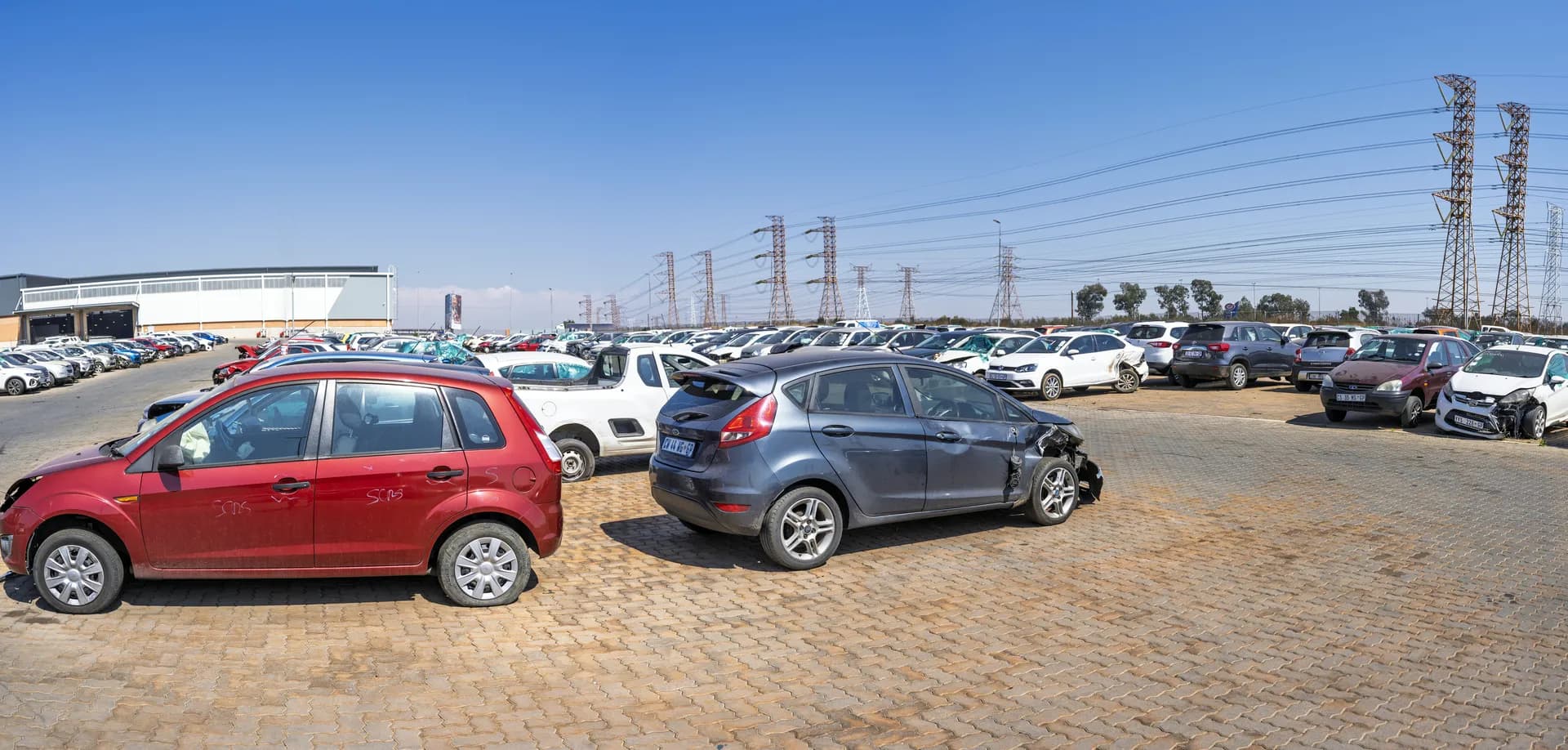
What Inspections Cover
Checks for safety, structural, mechanical and evidence of flood or fire damage.
Use Reports to Decide
Inspection findings help choose repair, insurance claim or sale to a specialist buyer.
SA-Specific Steps
Inspections support deregistration, finance settlement and insurer decisions.
Overview: vehicle inspection services in South Africa
Vehicle inspection services in South Africa cover a wide range of checks: pre-purchase inspections, roadworthy (COF) tests, insurance assessments, and salvage or salvageability inspections. These services help owners, buyers, fleet managers and insurers assess mechanical condition, structural damage and legal compliance. For South African owners in Johannesburg, Cape Town and Durban, inspections provide clarity on repair needs, safety, and market value.
Why inspections matter
An independent inspection reduces uncertainty when deciding whether to repair, sell privately or sell to a specialist buyer. For damaged or non-running vehicles, a formal inspection can be required by insurers or when transferring ownership.
When to sell vs repair
Deciding to repair or sell depends on estimated repair costs, the vehicle's pre-damage market value, and the risks of ongoing maintenance. Inspections supply the data you need: a clear list of faults, safety issues and whether a structural chassis repair is necessary. Use inspection findings alongside market realities in South Africa to make an informed choice.
Repair cost vs retained value
| Scenario | Typical repair estimate (R) | Estimated retained market value impact |
|---|---|---|
| Minor panel & paint | R3,000 - R12,000 | Low to moderate reduction |
| Mechanical drivetrain repair | R8,000 - R40,000+ | Moderate to high reduction |
| Structural/chassis repair | R20,000 - R100,000+ | High reduction; may be written-off |
Notes: Figures are illustrative South Africa estimates and vary by vehicle make, part availability and labour rates. Inspections give line-item estimates to compare against expected retained value.
How the inspection process works
A standard vehicle inspection follows clear stages: document check, external and internal visual checks, mechanical tests where possible, and a written report. Inspectors working for insurers or independent garages will document safety items, structural damage, odometer readings and signs of water or fire damage.
What inspectors typically record
- Vehicle ID: VIN/chassis and engine numbers
- Exterior condition: panels, paint, glass and chassis
- Mechanical condition: engine, transmission, brakes (if inspectable)
- Interior: airbags, seat belts, water/fire evidence
- Photographs and a summary recommendation (repairable, salvageable, write-off)
If you intend to sell a non-running vehicle, a recent inspection report can increase buyer confidence. For examples of services that buy damaged or non-running cars and handle collection, see our homepage and the explanation of how the process works on our About / How it works page.
Legal & paperwork in SA
Inspections often feed into legal and administrative steps. In South Africa, roadworthy certificates and certain insurer processes require specific inspection formats. When a vehicle is written-off or sold for salvage, owners must follow deregistration or transfer requirements and disclose inspection findings to buyers or insurers.
Vehicles under finance
If your vehicle is financed, inspections and any intended sale must be coordinated with the finance provider. The finance agreement typically requires clearance or settlement before transfer; an inspection report helps establish the vehicle's condition and supports valuation discussions.
Damage types vs typical offer impact
| Damage type | Inspection focus | Typical effect on offers |
|---|---|---|
| Minor panel damage | Bolt points, alignment, paint | Small reduction; often repairable |
| Mechanical failure (engine/transmission) | Compression/tests, leaks, history | Moderate to significant reduction |
| Structural/chassis damage | Frame alignment, welds | High impact; may be declared salvage/write-off |
| Flood / water damage | Electrics, corrosion, mould | Significant reduction; long-term issues likely |
| Fire damage | Wiring, plastics, structural heat damage | Very high impact; often written-off |
Tips to maximise your inspection outcome and offers
- Document everything: provide service history, recent receipts and photos to the inspector.
- Be transparent about prior repairs; undisclosed damage reduces trust and offer values.
- If the vehicle is non-running, outline the last known symptoms and any recent diagnostics.
- Use a reputable inspector or an insurer-approved assessor to strengthen your position with buyers.
What happens after collection (for sellers of damaged cars)
After a buyer accepts an offer and arranges collection, the buyer usually completes paperwork including a sale agreement and transfer of ownership or deregistration where applicable. Specialist buyers often handle free towing and administrative steps; an inspection report speeds up this process and documents the vehicle condition at handover.
If you are considering selling rather than repairing, our pages on selling non-running and damaged vehicles explain how inspections feed into fast, transparent offers: see Sell Non-Running Car and Sell Damaged Cars.
Practical South Africa example
A Johannesburg owner with a collision-damaged sedan can commission an inspection to document frame damage and mechanical status. The inspection report provides an insurer or buyer with clear repair estimates and evidence of damage, allowing quicker resolution, whether that means a repair quote, an insurance settlement, or a competitive cash offer from a specialist buyer who arranges free towing and handles deregistration.
Sources
- Department of Transport South Africa - official road and vehicle regulations
- Automobile Association (AA) South Africa - vehicle inspections and pre-purchase checks
- Road Traffic Management Corporation (RTMC) - registration and roadworthy information
- South African Insurance Association - guidance on write-offs and salvage procedures
Notes on data: cost and value figures are South Africa-focused estimates (currency shown as R) intended to illustrate typical ranges; exact figures depend on vehicle make, location and market conditions. For tailored advice, combine a formal inspection report with specialist valuations and seller options available on the Sell Your Damaged Car site.
Seasoned automotive specialists dedicated to helping you turn your damaged or non-running vehicle into cash fast and hassle-free.
Disclaimer: This content is for educational purposes only. Product availability, pricing, and specifications are subject to change. Always verify current details on the retailer's website before making a purchase. We may earn affiliate commissions from qualifying purchases.
Why sell your damaged car to us?

A Division of Auction Nation, the leading expert in selling damaged cars

Best price for your damaged car

Get a cash offer within 24h

We buy damaged cars in any condition

We buy accident- damaged cars still under finance

Free, no obligation offer on your vehicle
How We Calculate Your Damaged Car’s Value
Wondering how we calculate your car’s value? At Sell Your Damaged Car, we look at: Your car’s real condition, its salvage value, and the current market demand. It’s all about honesty, transparency, and fairness — that’s how we determine your offer.
Frequently Asked Questions
Get answers to common questions about Legal And Paperwork
Why Choose Sell Your Damaged Car?
Free Towing
Need a tow? We got you
Hassle Free
Get a cash offer within 24h!
Nationwide
Somewhere remote? No problem!
