
Influence of Car Make and Model on Salvage Value in South Africa
Discover how your car's make and model affect its salvage value in the South African market, and get tips to secure a competitive cash offer.
Overview: Why Car Make and Model Matter for Salvage Value
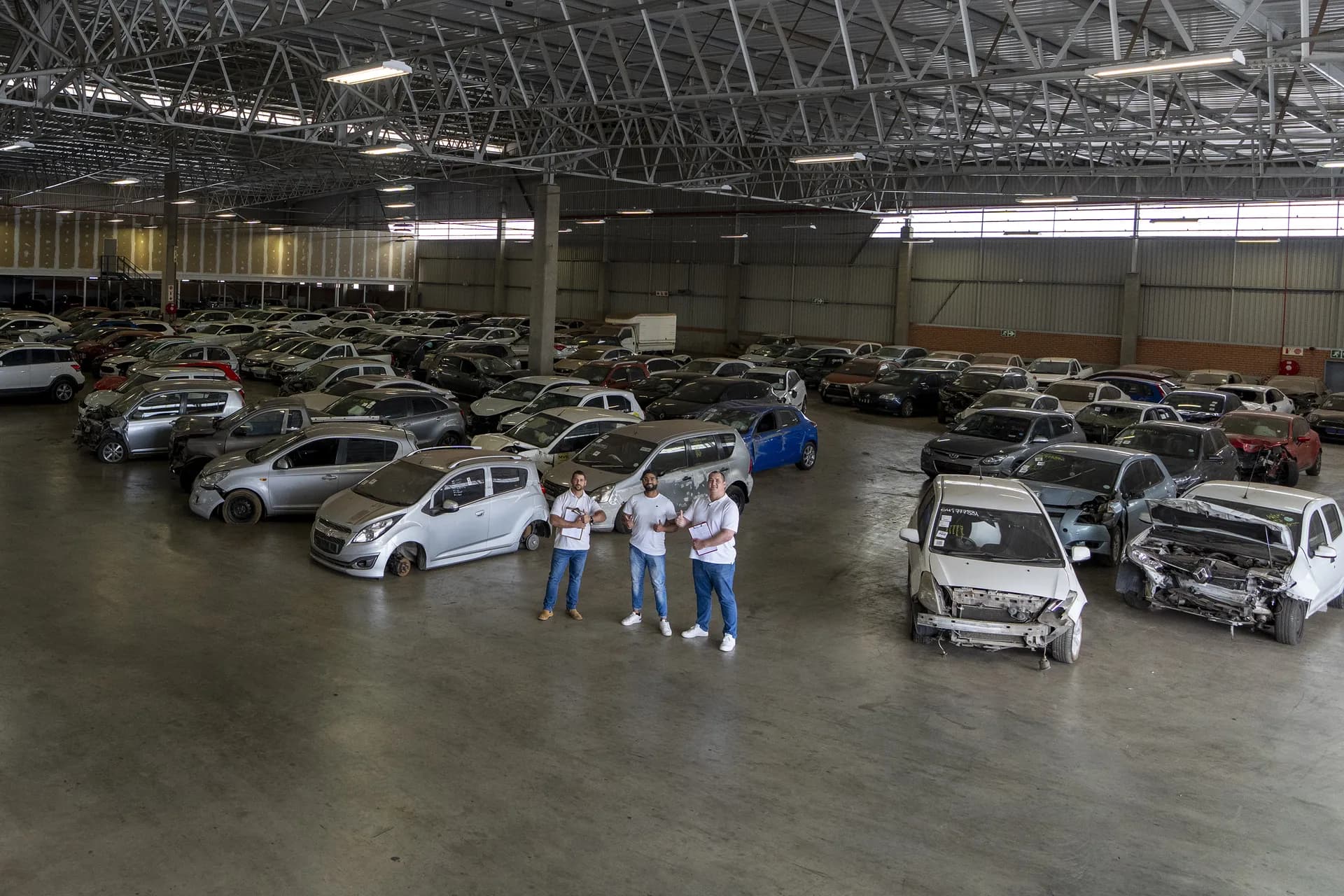
If you own a damaged, accident-written-off, or non-running vehicle, you might be wondering how much it's worth - and why two similar-looking cars can yield very different offers. One of the key factors in determining salvage value is the car's make and model. In South Africa's salvage market, demand for certain brands and models strongly influences what you can expect as a cash offer. This article breaks down how this works, what local buyers and dismantlers look for, and how you can use this knowledge to maximise your return.
What is Salvage Value?
Salvage value is the amount a damaged or non-running vehicle can fetch in the market - primarily based on its resale potential for parts, scrap, or repair. It's influenced by several factors, including condition, age, mileage, and especially the make and model. This figure is usually lower than retail or trade-in value, but selling for salvage is often faster and more practical for severely damaged or written-off vehicles.
How Different Makes and Models Affect Offers
Brands with high market share, strong parts demand, and available repair expertise generally hold higher salvage values. Conversely, less common or imported models may fetch lower offers, even if in similar condition. Here's a practical South African comparison:
| Brand/Model | Typical Demand (SA) | Impact on Salvage Value |
|---|---|---|
| Toyota Hilux, Corolla | Very High | Offers usually above average for condition |
| VW Polo, Golf | High | Sustained demand keeps offers strong |
| Mercedes-Benz C-Class | Moderate | Specialist parts; variable depending on year |
| Less Common Imports (e.g., Chevrolet Spark, Renault Duster) | Low to Moderate | Limited demand; lower offers typical |
| Luxury, Niche, Older or Discontinued Models | Low | Usually offer below mainstream models |
Vehicle popularity directly affects demand for second-hand spares and components in Johannesburg, Cape Town, Durban, and nationwide. This, in turn, dictates how much local buyers are willing to pay for salvage.
When to Sell vs. Repair: Factoring in Make & Model
Not all vehicles are worth repairing after damage - and your make/model can tip the scales. Some brands have readily available, affordable spare parts in South Africa (reducing repair costs); others are costly or scarce, making salvage a smarter financial choice.
| Repair Cost (Estimate, R) | Vehicle Type | Value Retained After Repair (%) |
|---|---|---|
| R20,000-R40,000 | Toyota Hilux (High demand, local parts) | 70-85% |
| R30,000-R60,000 | Imported sedan, older Renault | 50-65% |
| R40,000+ | Luxury or rare models | 35-50% |
Always request a repair quote and compare it to your car's market and salvage value - especially for less common or specialist models.
How the Online Salvage Process Works in South Africa
Selling your accident-damaged or non-running vehicle for salvage begins with a transparent online assessment. Here's how the process unfolds with reputable buyers like Sell Your Damaged Car:
- Upload your vehicle details, including make, model, year, and clear images of all damage.
- Receive an offer considering condition, age, make, model, and current market demand for your type of car.
- If accepted, we handle all paperwork (including deregistration) and arrange free, nationwide towing for collection.
- Payment is released and verified upon collection.
Legal and Documentation Factors by Make & Model
In South Africa, all vehicles (irrespective of make or model) require correct deregistration and handover of ownership. For luxury makes or rare imports, extra documentation may be requested to verify provenance and compliance prior to salvage sale.
Practical Tips to Maximise Your Offer
- Provide detailed, honest descriptions and multiple photos of your vehicle's make, model, and all damage.
- Have your car's original registration/sheaf and service book ready.
- Don't delay: Demand fluctuates fast for older and niche models, and spares supply can dry up.
- Check the salvage value of similar make/models online or with reputable local buyers so you have realistic expectations.
- For business or fleet vehicles, highlight high-volume or common makes/models for potentially stronger offers.
What Happens After Collection?
Once your damaged car is collected, it's either stripped for parts, auctioned in the salvage market, or sold for recycling - again, based on how sought-after your car's make and model is for spares or repairs in South Africa. Some mainstream models can see nearly all major components recycled or resold, while rare makes may only recover value from scrap metal.
Sources
Seasoned automotive specialists dedicated to helping you turn your damaged or non-running vehicle into cash fast and hassle-free.
Disclaimer: This content is for educational purposes only. Product availability, pricing, and specifications are subject to change. Always verify current details on the retailer's website before making a purchase. We may earn affiliate commissions from qualifying purchases.
Why sell your damaged car to us?

A Division of Auction Nation, the leading expert in selling damaged cars

Best price for your damaged car
Get a cash offer within 24h
We buy damaged cars in any condition

We buy accident- damaged cars still under finance

Free, no obligation offer on your vehicle
How We Calculate Your Damaged Car’s Value
Wondering how we calculate your car’s value? At Sell Your Damaged Car, we look at: Your car’s real condition, its salvage value, and the current market demand. It’s all about honesty, transparency, and fairness — that’s how we determine your offer.
Frequently Asked Questions
Get answers to common questions about Damage Types
Why Choose Sell Your Damaged Car?
Free Towing
Need a tow? We got you
Hassle Free
Get a cash offer within 24h!
Nationwide
Somewhere remote? No problem!
