
Understanding Vehicle Depreciation and Value for Salvage Cars in South Africa
Discover how vehicle depreciation works, what impacts salvage car value, and how to get fair offers when selling damaged cars in South Africa.
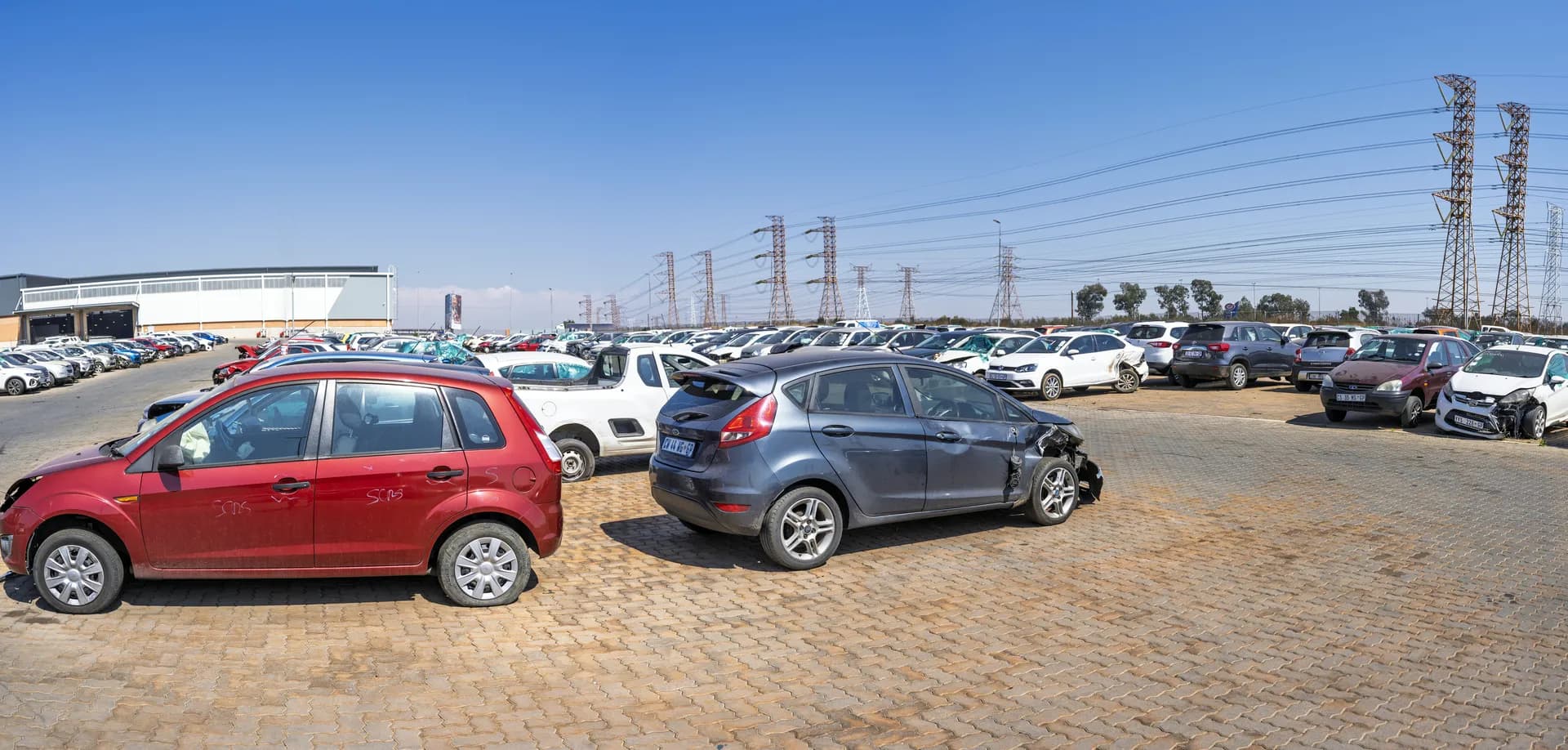
Overview: Depreciation and Salvage Value Explained
Vehicle depreciation is the decrease in a car's market value as it ages and accumulates mileage. In South Africa, depreciation is influenced by market trends, brand reputation, and local resale demand. When a car is written off or significantly damaged, its value drops further-becoming "salvage value." Understanding this process is essential for South Africans looking to sell damaged vehicles for cash.
How Depreciation Works in South Africa
The market value of your car typically depreciates each year, but unusual events like floods, fires, or major accidents can rapidly accelerate the decline. Economic factors, model popularity and even local repair or parts costs also play a role.
| Vehicle Age | Average Value Retained (%) |
|---|---|
| 0-1 year | 70-80% |
| 1-3 years | 55-65% |
| 3-5 years | 40-50% |
| 5-10 years | 25-35% |
What Determines Salvage Car Value?
- Extent and type of damage (accident, fire, flood, mechanical)
- Vehicle make, model, age and mileage
- Availability and cost of spare parts in South Africa
- Functionality of valuable components (engine, gearbox, electronics)
- Current demand in the salvage and parts resale market
A vehicle written off after a collision may be worth more in parts than as a whole. Cars with extensive damage are typically sold as salvage, where value is assessed based on what can be reused or recycled-this is the salvage value.
Types of Damage and Offer Impact
| Damage Type | Typical Offer Impact |
|---|---|
| Minor body damage | Small reduction; car may still be roadworthy |
| Major structural damage | Large reduction; value based mainly on parts |
| Mechanical failure (engine/gearbox) | Lowered offer, especially if non-running |
| Flood/fire damage | Significant reduction; some parts may be unusable |
If your car has specialized features, aftermarket modifications, or rare parts, these may enhance salvage value slightly-but only if demand exists in the local market.
When to Sell for Salvage
It often makes sense to sell for salvage if the repair bill is higher than what the car is worth, or if the damage means the car can't be legally driven. It's essential to get multiple valuations, and to be aware of local regulations for written-off vehicles and deregistration.
Process for Salvage Sale in South Africa
- Photograph the damage from all angles and note mechanical/electrical faults
- Request detailed offers from reputable buyers or services
- Check if the vehicle is under finance; you'll need bank permission to sell
- Arrange deregistration and obtain a Notice of Change of Ownership from your provincial licensing department
- Ensure free towing and admin support are provided (offered by Sell Your Damaged Car across Cape Town, Johannesburg, Durban, and surrounding areas)
Tips to Maximise Your Salvage Car Offer
- Provide honest, detailed descriptions and clear images
- Highlight working features and intact parts
- Keep service records and paperwork accessible
- Act promptly after an incident-neglected cars can deteriorate further
- Check the market demand for your make and model by browsing used and salvage listings
What Happens After Your Salvage Car is Collected?
Once you accept an offer and free towing is arranged, the buyer will verify the vehicle and handle payment. At Sell Your Damaged Car, payment is made quickly upon collection, and paperwork (including deregistration) is managed for you. The car may be dismantled for parts, recycled, or sometimes used for training by automotive institutes.
South African Legal and Market Considerations
- Written-off vehicles (code 3 or 4) cannot be relicensed for road use unless fully repaired and certified (strict process)
- Always confirm a buyer's credentials to avoid scams (see our "How to Avoid Being Scammed" guide)
- Salvage car prices fluctuate with metal scrap values and current demand for used auto parts
Sources
Seasoned automotive specialists dedicated to helping you turn your damaged or non-running vehicle into cash fast and hassle-free.
Disclaimer: This content is for educational purposes only. Product availability, pricing, and specifications are subject to change. Always verify current details on the retailer's website before making a purchase. We may earn affiliate commissions from qualifying purchases.
Why sell your damaged car to us?

A Division of Auction Nation, the leading expert in selling damaged cars

Best price for your damaged car

Get a cash offer within 24h

We buy damaged cars in any condition

We buy accident- damaged cars still under finance

Free, no obligation offer on your vehicle
How We Calculate Your Damaged Car’s Value
Wondering how we calculate your car’s value? At Sell Your Damaged Car, we look at: Your car’s real condition, its salvage value, and the current market demand. It’s all about honesty, transparency, and fairness — that’s how we determine your offer.
Frequently Asked Questions
Get answers to common questions about Comparison And Alternatives
Why Choose Sell Your Damaged Car?
Free Towing
Need a tow? We got you
Hassle Free
Get a cash offer within 24h!
Nationwide
Somewhere remote? No problem!
