
South African Laws Affecting Salvage Car Sales: What Sellers Need to Know
Comprehensive guide to South African legal requirements for selling salvage cars. Learn about damage codes, deregistration, paperwork, and compliance to stay protected.
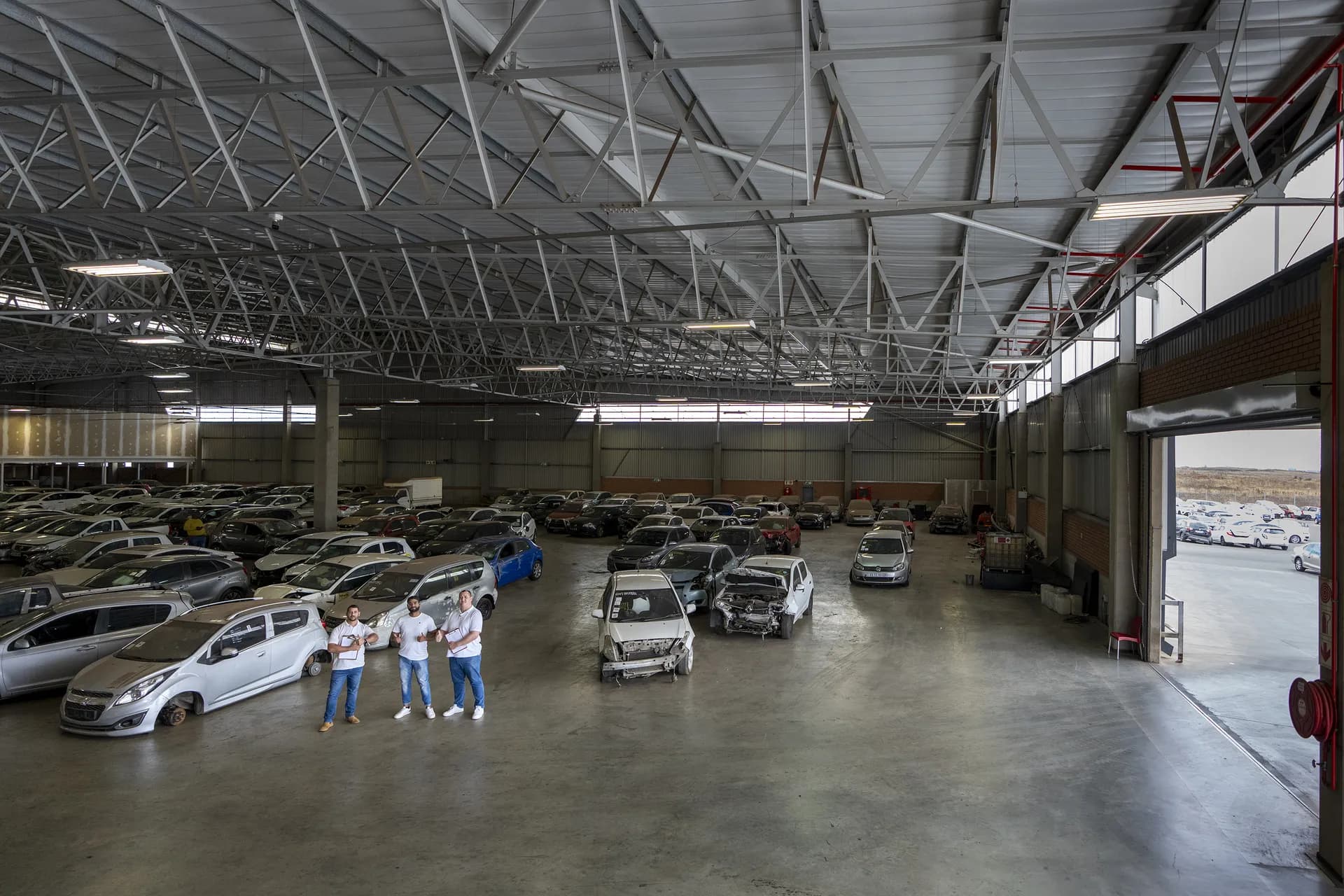
Overview: Salvage Cars and South African Legal Framework
A salvage car in South Africa is a vehicle that has been declared uneconomical or unsafe to repair, typically due to accident, flooding, fire, or significant mechanical failure. Whether you have a car written off by insurers or a non-running vehicle, South African law sets out specific rules for ownership transfer, roadworthiness, and registration for salvage vehicles. Failing to follow these requirements can leave you at risk of future liability or complicate the sale process.
Defining "Salvage" and Damage Codes
Salvage vehicles are usually flagged on the National Traffic Information System (NaTIS) with a damage code, which affects how they can be bought, sold, or returned to the road. Common codes include:
- Code 2: Used, previously registered car.
- Code 3: Accident or theft-damaged, reparable but must be re-registered.
- Code 4: Permanently unfit for use (scrap only, cannot be repaired for road use).
These codes are central to understanding your rights and obligations when selling a salvage car in South Africa.
Legal Requirements When Selling a Salvage Car
Before selling your salvage vehicle, you must adhere to various laws and regulations under the National Road Traffic Act (NRTA) and additional provincial requirements:
- Disclosure: Sellers must declare the damage history and status (including codes) to buyers in writing.
- Deregistration: If the vehicle is written off or not to be repaired, it must be deregistered through your local licensing department as "permanently unfit for use" or "scrapped" (for Codes 4 and certain Code 3 cars).
- NaTIS and Title: All transfers require updating on NaTIS, ensuring new ownership reflects the salvage status.
- Roadworthiness Certificate: Only required if the salvage car is to be returned to road use (not for scrap sale). Code 4 vehicles cannot be certified roadworthy again in South Africa.
Important:
Failure to deregister or update NaTIS may result in ongoing liability for traffic fines, licensing costs, or legal issues-even after the car leaves your possession.
Repair Cost vs Value Retained - Table
| Repair Cost (R) | Car Pre-Accident Value (R) | Portion of Value Retained | Legal Status |
|---|---|---|---|
| 20,000 | 80,000 | ~70% after repairs | Possible Code 3 (must re-register) |
| 50,000+ | 100,000 | ~30-50% | Possible Code 4 (scrap only) |
| Not repaired | 60,000 | Market value as salvage/parts | Must deregister if sold for spares |
The value for salvage cars is influenced by numerous factors, including the cost of repairs, type of damage, and market demand. Prospective sellers should understand depreciation rates of salvage cars in South Africa and how accident history can affect car resale value.
Process Outline: Selling Your Salvage Car Legally
- Gather all documentation: NaTIS, proof of ownership, ID, police clearance if required (for accident/theft cases).
- Obtain an accident report or insurance write-off letter (supplied by insurer/broker after a claim).
- Disclose salvage status and damage code to prospective buyer.
- If the car is not intended for road use, submit a deregistration application at your licensing office, which removes liability and marks the title "scrapped."
- Complete a change of ownership (NCO) form and have both parties sign. Submit to your municipality or licensing department within 21 days.
- Retain copies of all paperwork and keep proof of deregistration or change of ownership confirmation from NaTIS.
Salvage Title Sale vs Private Sale: Table Overview
| Sale Type | Legal Requirement | Typical Buyer | Paperwork Actions |
|---|---|---|---|
| Salvage Specialist (e.g., Sell Your Damaged Car) | Full disclosure, deregistration handled for you | Dealer, recycler | Upload docs/photos, sign transfer/consent |
| Private Sale | Full disclosure, complete NCO and deregistration forms | Individual, sometimes mechanic | Manual submission, risk of incomplete admin |
SA-Specific Considerations
- Free towing is permitted under law, so long as collection and transfer are documented.
- Vehicles still under finance (subject to bank settlement) require consent from the finance provider prior to sale or deregistration.
- Cross-border sales have additional customs, export, and deregistration checks-transact only with reputable, vetted buyers.
Callout: Avoiding Common Legal Pitfalls
Don't skip deregistration or disclosure. Fraudulent or incomplete sales can expose you to future legal claims, especially if a salvage-coded car is later involved in road incidents.
What Happens After the Sale?
Once your salvage vehicle is collected and paperwork is verified, you should receive official confirmation of deregistration or title change via NaTIS. Always keep this for your records. Specialist buyers like Sell Your Damaged Car handle this on your behalf and ensure legal compliance, so you are protected against future liability.
Sources
Seasoned automotive specialists dedicated to helping you turn your damaged or non-running vehicle into cash fast and hassle-free.
Disclaimer: This content is for educational purposes only. Product availability, pricing, and specifications are subject to change. Always verify current details on the retailer's website before making a purchase. We may earn affiliate commissions from qualifying purchases.
Why sell your damaged car to us?

A Division of Auction Nation, the leading expert in selling damaged cars

Best price for your damaged car

Get a cash offer within 24h

We buy damaged cars in any condition

We buy accident- damaged cars still under finance

Free, no obligation offer on your vehicle
How We Calculate Your Damaged Car’s Value
Wondering how we calculate your car’s value? At Sell Your Damaged Car, we look at: Your car’s real condition, its salvage value, and the current market demand. It’s all about honesty, transparency, and fairness — that’s how we determine your offer.
Frequently Asked Questions
Get answers to common questions about Legal And Paperwork
Why Choose Sell Your Damaged Car?
Free Towing
Need a tow? We got you
Hassle Free
Get a cash offer within 24h!
Nationwide
Somewhere remote? No problem!
