
Understanding Insurance Write-Offs and Car Value in South Africa
Discover how insurance write-offs affect car value in South Africa, your legal responsibilities, and how to safely sell a salvage vehicle with full paperwork support.
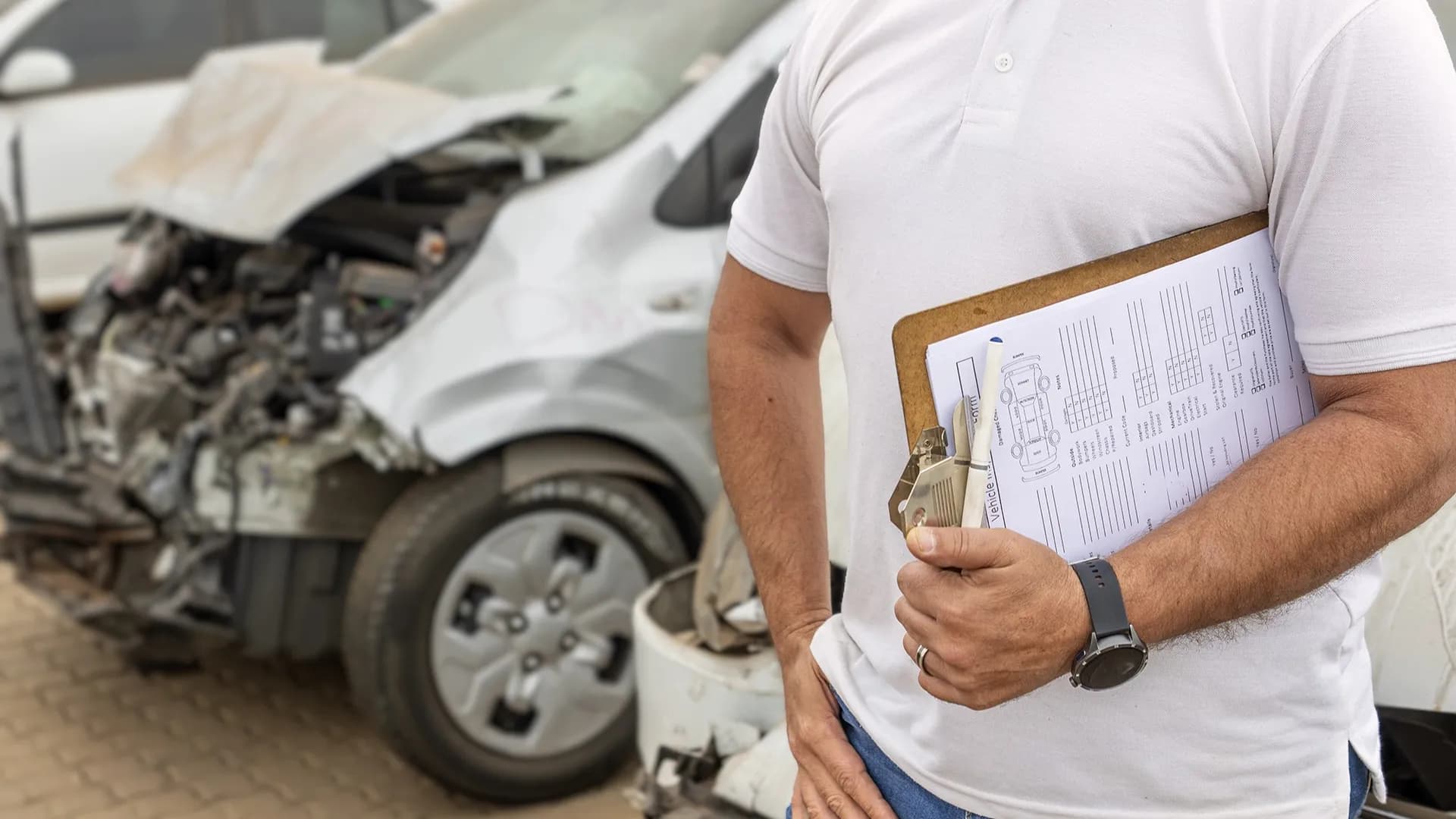
Overview: What Is an Insurance Write-Off?
In South Africa, an insurance write-off occurs when your car is damaged to the extent that the insurer judges it uneconomical to repair-typically, if repair costs exceed a set percentage of the car's current value. This scenario is common after major accidents, severe weather, fire, or even mechanical failure in high-mileage vehicles. But what happens to a car once it's written off, and how does this affect its value and your next steps?
This guide explains insurance write-off categories, how insurers assess value, the implications for owners, and how to responsibly sell a written-off or salvage vehicle in South Africa. Whether you're in Johannesburg, Cape Town, Durban, or elsewhere, regional differences help you make informed choices and avoid unnecessary loss.
Different Write-Off Categories in South Africa
- Code 2: Used vehicles that haven't been written off.
- Code 3: Rebuilt (previously written-off and repaired; can return to the road if roadworthy).
- Code 4: Permanently demolished, can be used only for parts or scrap; cannot be relicensed.
The write-off status (Code 3 or Code 4) directly affects both your ability to sell the car and the typical offers you'll receive.
How Insurers Calculate Car Value
Insurers use either the retail value, trade-in value, or market value-usually obtained from sources like TransUnion or the manufacturer's listing-to determine the pre-accident worth. Common factors influencing this valuation include:
- Year, make, and model
- Mileage and service history
- Current market demand and availability of parts
- Extent and type of pre-existing damage
| Repair Cost vs. Vehicle Value (R) | Usual Insurer Action |
|---|---|
| Less than 50% of value | Recommend repair |
| 50%-70% of value | May consider repair or write-off (case-by-case) |
| Above 70% of value | Declared total loss (write-off) |
Practical Example
If your vehicle's retail value is R100,000 and approved repairs will cost R75,000, your insurer is likely to write it off. After the payout, your car will be registered as a Code 3 or Code 4, affecting both resale value and legal usage going forward.
Should You Try to Repair or Accept the Write-Off?
Owners sometimes want to keep and repair the car themselves after a payout, hoping to save costs or extend usage. However, once a vehicle is marked Code 4, legal road use in South Africa becomes impossible. For Code 3, the vehicle must pass a roadworthy inspection and be relicensed, which can be time-consuming and costly. Most owners instead opt to sell written-off vehicles for parts or to a specialist salvage buyer.
The Process of Selling a Written-Off (Salvage) Car
Specialist buyers like Sell Your Damaged Car offer a streamlined way to dispose of insurance write-offs-Code 3 and Code 4-across South Africa. The process typically includes:
- Online submission of vehicle details and damage photos
- Competitive cash offer based on fair assessment
- Free nationwide towing-Johannesburg, Durban, Cape Town and surrounds all included
- Immediate, verified bank payment after collection
- Full handling of necessary legal paperwork, including deregistration and notifications to the licensing authority
Factors That Impact Salvage Offers
| Type of Damage | Typical Impact on Offer |
|---|---|
| Structural (chassis/frame or airbags deployed) | Lower offer or Code 4 only |
| Mechanical (engine/gearbox failure) | Moderate reduction depending on parts value and demand |
| Cosmetic (panels, lights, minor dents) | Higher offers possible if rest is undamaged |
| Flood or fire | Typically Code 4 and for parts only |
After Collection: Legal and Practical Steps
- Notify your insurer and the traffic department that the vehicle has been transferred or scrapped
- Arrange for deregistration (specialist buyers will often handle this on your behalf)
- If the car was under finance, work with the bank to settle or transfer proceeds as required
- Retain all documentation for your records
It's vital to prevent liability for fines, storage charges, or misuse of your former vehicle's identity. A reputable buyer will ensure a secure transaction and full legal compliance.
Tips to Safeguard Your Interests
- Take comprehensive, dated photos of damage for your own records prior to collection
- Double-check that all paperwork is completed and copies provided
- Use only licensed salvage buyers or agents with a verifiable public track record
- Verify payment is received before handing over the car
Sources
Seasoned automotive specialists dedicated to helping you turn your damaged or non-running vehicle into cash fast and hassle-free.
Disclaimer: This content is for educational purposes only. Product availability, pricing, and specifications are subject to change. Always verify current details on the retailer's website before making a purchase. We may earn affiliate commissions from qualifying purchases.
Why sell your damaged car to us?

A Division of Auction Nation, the leading expert in selling damaged cars

Best price for your damaged car

Get a cash offer within 24h

We buy damaged cars in any condition

We buy accident- damaged cars still under finance

Free, no obligation offer on your vehicle
How We Calculate Your Damaged Car’s Value
Wondering how we calculate your car’s value? At Sell Your Damaged Car, we look at: Your car’s real condition, its salvage value, and the current market demand. It’s all about honesty, transparency, and fairness — that’s how we determine your offer.
Frequently Asked Questions
Get answers to common questions about Legal And Paperwork
Why Choose Sell Your Damaged Car?
Free Towing
Need a tow? We got you
Hassle Free
Get a cash offer within 24h!
Nationwide
Somewhere remote? No problem!
