
Costly Mistakes to Avoid When Selling a Salvage Car in South Africa
Discover the critical mistakes that can cost you when selling a salvage car in South Africa. Learn expert tips to sell safely, handle paperwork, and get a fair offer.
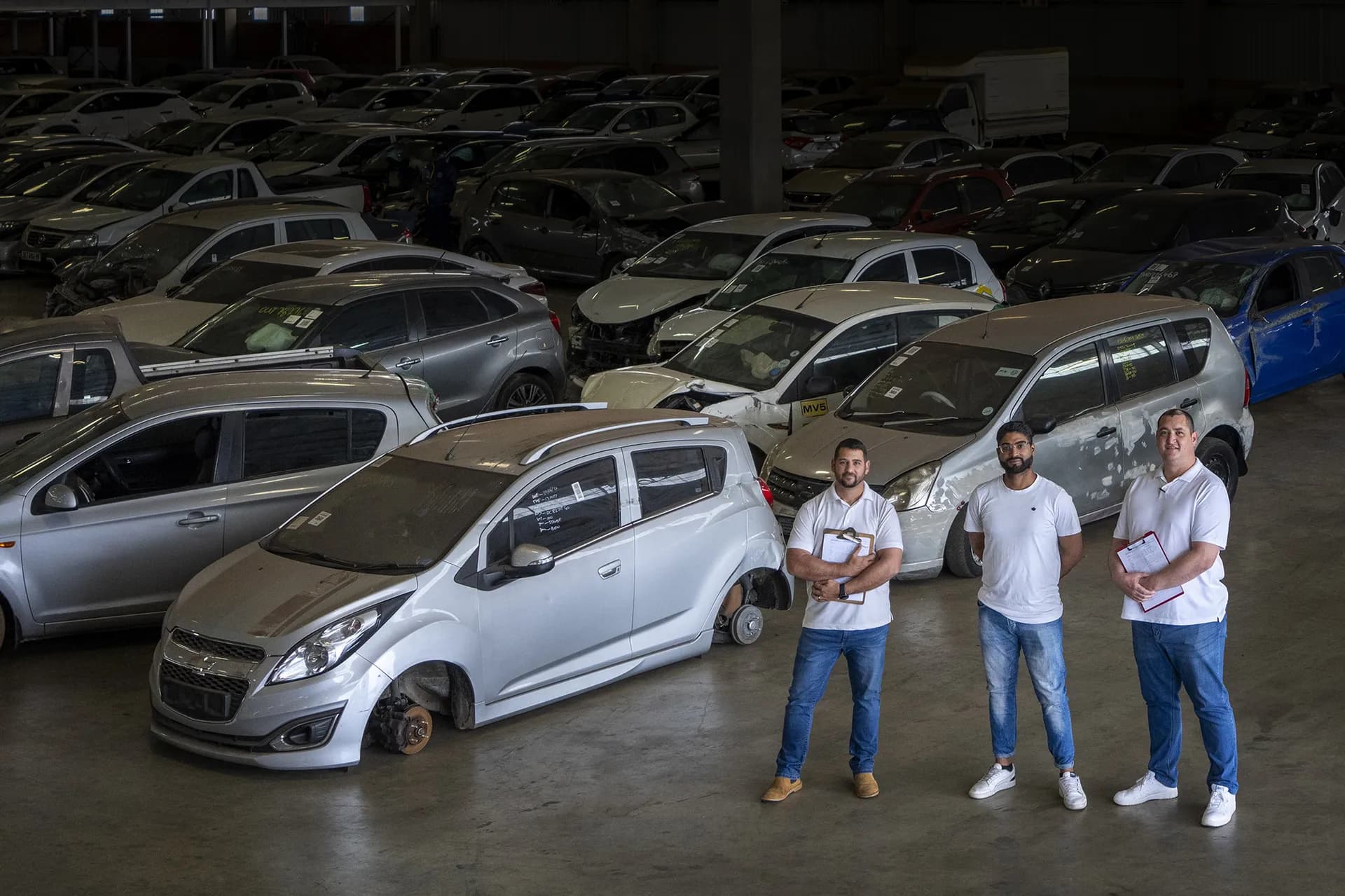
Overview: Understanding the Salvage Car Sale Landscape
Selling a salvage car in South Africa can seem overwhelming, especially given the risk of scams, under-valuation, and complex paperwork. Salvage vehicles might have been written off by insurers, suffered from severe damage, or simply become non-economic to repair - but owners still often hope to recover fair value. Knowing which mistakes to avoid can save you both money and frustration in the process.
What Is a Salvage Car?
A salvage car is any vehicle that has been deemed uneconomical to repair, typically following major accident damage, flooding, fire, or mechanical failure. Often officially recorded as 'written-off' by insurers, these vehicles can only be used for parts or require extensive work to become roadworthy again. The secondary (salvage) market values depend heavily on the vehicle's condition, demand for parts, age, and paperwork status.
Top Costly Mistakes to Avoid
- Accepting lowball offers from unverified buyers or scrap yards without comparing with reputable services.
- Not checking the buyer's credentials or failing to verify legitimacy, which can result in non-payment or fraudulent transactions.
- Neglecting proper deregistration and paperwork, exposing owners to fines or ongoing vehicle liabilities.
- Failing to disclose all damage, which can lead to disputes or return of the vehicle.
- Attempting costly repairs before sale that do not increase value.
- Forgetting to remove or negotiate on extra parts, aftermarket upgrades, or personal belongings.
- Paying out-of-pocket for towing instead of using services that offer free nationwide collection.
Repair Cost vs Value Retained Table
| Repair Cost (Est.) | Likely Value Increase | Typical Outcome |
|---|---|---|
| R20,000+ | R5,000 - R10,000 | Often loss; better to sell as-salvage |
| R5,000 - R10,000 | Minimal (if cosmetic/age) | Little impact on salvage offer |
| R1,000 - R3,000 | Zero (parts-only) | No change - skip repairs |
This table shows that expensive repairs rarely translate into a proportional increase in the final sale value for salvage vehicles in South Africa.
Damage Types vs Offer Impact
| Damage Type | Typical Offer Impact |
|---|---|
| Structural/Chassis Damage | Large reduction; sold for parts |
| Non-Running Engine | Medium; depends on age/model |
| Cosmetic Damage Only | Low/Moderate; often similar to non-runners |
| Fire/Flood Damage | Significant; limits use |
Offers always reflect market demand for salvage parts. Accurately representing damage ensures transparency and trust during the process.
How to Sell a Salvage Car Without Regret
To avoid regrets and costly missteps, streamline your approach by leveraging specialist car-buying services like Sell Your Damaged Car, which prioritise transparency, free towing, and complete paperwork assistance anywhere in South Africa.
Smart Selling Checklist
- Gather all car documents: original registration, ID, and settlement letter if financed.
- Photograph damage and note any missing or aftermarket parts.
- Use online valuation tools or submit details to trusted buyers for a no-obligation offer.
- Request written confirmation of payment and collection timeline.
- Always confirm that deregistration will be completed - this protects you from future fines or e-toll bills.
Legal & Paperwork Essentials in South Africa
Neglecting the correct transfer and deregistration can leave you liable for licensing costs or, worse, for penalties if the salvage car is misused after sale. South African law requires:
- Completion of the Notification of Change of Ownership/Sale of Motor Vehicle (NCO) form.
- Deregistration through the correct licensing authority, particularly for written-off status.
- Handing over the original registration certificate (logbook) and any settlement documents (if under finance).
After Collection: What to Expect
Once your salvage car is collected, expect prompt verification of payment and confirmation that all required forms were processed. Reliable buyers, like Sell Your Damaged Car, will keep you updated until every legal requirement is met and payment reflects in your bank account. If you're part of a business fleet, request a collection summary for accounting and tax records.
Consideration: Why Transparency Pays Off
Final Thoughts
Navigating the South African salvage market can be straightforward, provided you sidestep the biggest pitfalls: incomplete paperwork, relying on non-specialist buyers, or investing in repairs that don't yield returns. Save time, avoid stress, and ensure legal peace of mind by choosing reputable, transparent solutions for selling any damaged or salvage car.
Sources
Seasoned automotive specialists dedicated to helping you turn your damaged or non-running vehicle into cash fast and hassle-free.
Disclaimer: This content is for educational purposes only. Product availability, pricing, and specifications are subject to change. Always verify current details on the retailer's website before making a purchase. We may earn affiliate commissions from qualifying purchases.
Why sell your damaged car to us?

A Division of Auction Nation, the leading expert in selling damaged cars

Best price for your damaged car

Get a cash offer within 24h

We buy damaged cars in any condition

We buy accident- damaged cars still under finance

Free, no obligation offer on your vehicle
How We Calculate Your Damaged Car’s Value
Wondering how we calculate your car’s value? At Sell Your Damaged Car, we look at: Your car’s real condition, its salvage value, and the current market demand. It’s all about honesty, transparency, and fairness — that’s how we determine your offer.
Frequently Asked Questions
Get answers to common questions about Tips And Advice
Why Choose Sell Your Damaged Car?
Free Towing
Need a tow? We got you
Hassle Free
Get a cash offer within 24h!
Nationwide
Somewhere remote? No problem!
