
Understanding Market Demand for Damaged Cars in South Africa: What Sellers Need to Know
Explore what drives demand for damaged cars in South Africa, who buys them, and how condition and market trends affect your cash offer. Understand industry insights and seller tips.
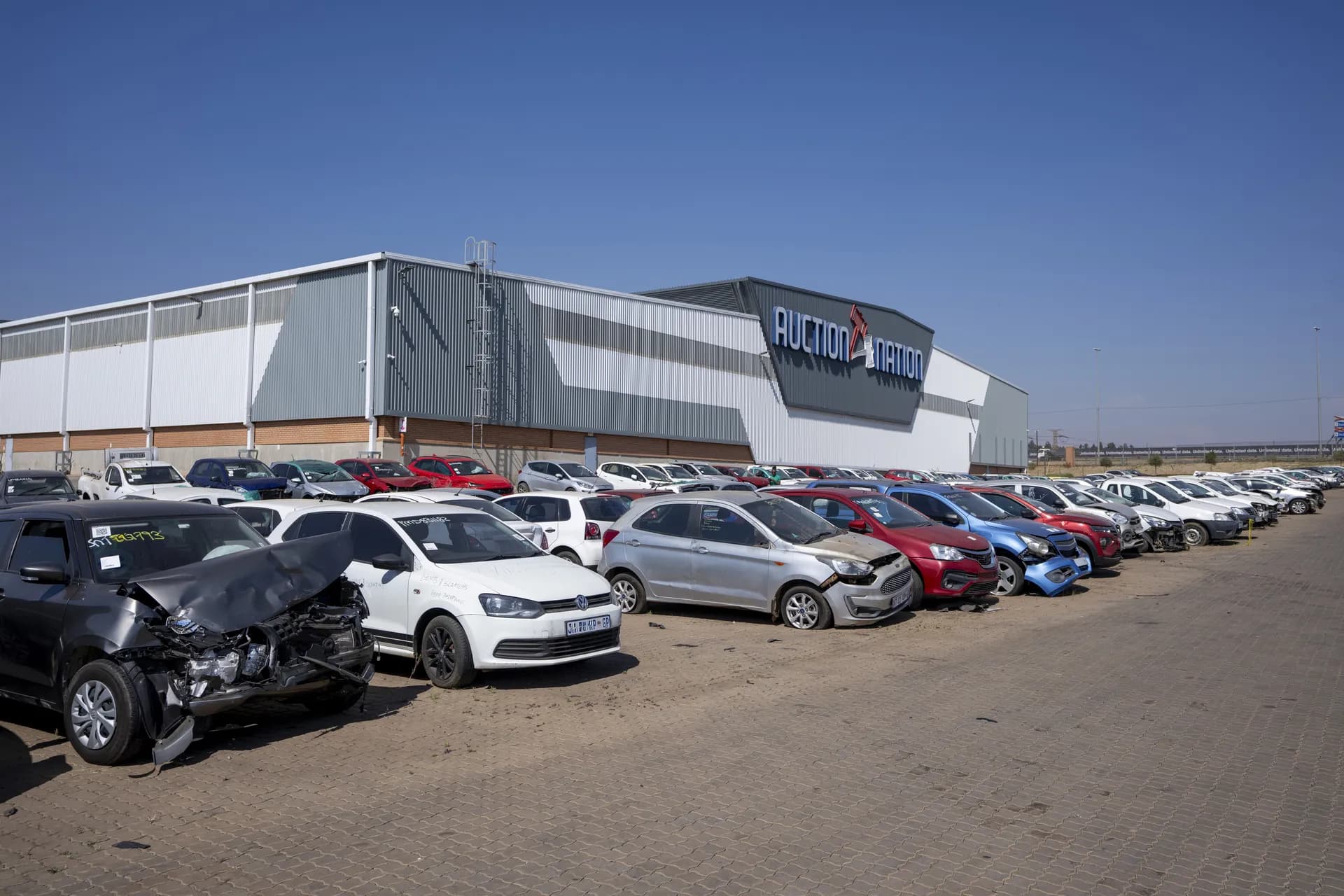
Overview: Why Are Damaged Cars in Demand?
Damaged cars might seem like burdens, but there is a robust market across South Africa for vehicles affected by accidents, mechanical failures, fires, or floods. Many buyers and businesses, from salvage yards to rebuilders, actively seek such cars for parts, resale, or restoration projects. As a result, vehicle owners in Johannesburg, Cape Town, Durban and beyond can turn their damaged vehicles into cash instead of leaving them unused. Market demand is primarily driven by the need for affordable parts, the resale of salvageable vehicles, and the local sustainability of vehicle repair industries.
Who Buys Damaged Cars in South Africa?
- Salvage dealers and recyclers
- Vehicle rebuilders
- Exporters seeking parts for neighbouring countries
- Individuals seeking project cars or affordable fixes
Factors Shaping Demand for Damaged Cars
Not all damaged vehicles are worth the same. Market offer levels and buyer interest depend on several core factors:
- Make and model popularity: Bakkies, sedans and common brands fetch better prices due to easier part reselling.
- Extent and type of damage: Light accident damage may result in higher offers than total write-offs or stripped shells.
- Age and mileage: Newer models or well-maintained vehicles are more attractive, even if non-running.
- Current market trends: Demand can spike during parts shortages, such as following hailstorms or floods.
- Paperwork status: Cars with documents in order are simpler to resell or deregister.
Repair Cost vs Value Retained Table
| Damage Type | Typical Repair Cost (R) | % Value Retained | Typical Offer Impact |
|---|---|---|---|
| Minor Panel Damage | 10,000 - 20,000 | 70-85% | Small decrease |
| Major Accident | 40,000 - 100,000+ | 30-50% | Significant drop |
| Engine Failure | 15,000 - 60,000 | 40-60% | Moderate drop |
| Flood/Fire Damage | Varies/irreparable | 10-30% | Large decrease |
Note: These ranges are estimates for South Africa and reflect how certain damage types typically affect sale offers on the professional market, not private sales.
How the Process Works: Selling into the Damaged Car Market
If you're a private owner or small fleet operator, understanding the steps to sell your damaged car efficiently can help you tap into real demand. Most reputable purchasing services in South Africa, such as Sell Your Damaged Car, offer a streamlined process to match cars with buyers seeking usable vehicles or parts. Here's a typical step-by-step approach:
- Upload vehicle details, condition, and clear images to an online platform.
- Receive a transparent, competitive cash offer based on current market rates and salvage demand.
- Agree to collection-reputable buyers provide free nationwide towing, reducing risk and hassle.
- Paperwork is handled, including deregistration and, if applicable, finance settlement coordination.
- Payment is released and verified, so you get value with minimal effort.
Legal & Regulatory Considerations in South Africa
Compliance and documentation are critical in the local market. Professional buyers are required to:
- Ensure the seller is the legal owner with valid proof of ownership.
- Facilitate de-registration paperwork with provincial licensing offices.
- Process vehicles under finance correctly-remaining loan amounts must be settled before transfer.
Always check credentials and reviews of buyers to avoid scams (see our in-depth guide on How to Avoid Being Scammed).
Tips to Maximise Your Offer in a Demand-Driven Market
- Provide full details and multiple photos-transparency gives buyers confidence and can increase offers.
- Act before further deterioration, as standing cars lose value over time (especially batteries and electronics after flooding).
- Ensure all paperwork is ready and remove any valuable personal property or accessories prior to collection.
What Happens After Collection?
Collected vehicles are typically taken to processing yards, where they're assessed for parts salvage, rebuilding, or recycling. Popular makes may be refurbished and resold; others are dismantled for spares. In all cases, proper deregistration is vital to avoid future liabilities, fines, or ownership complications.
Sources
Seasoned automotive specialists dedicated to helping you turn your damaged or non-running vehicle into cash fast and hassle-free.
Disclaimer: This content is for educational purposes only. Product availability, pricing, and specifications are subject to change. Always verify current details on the retailer's website before making a purchase. We may earn affiliate commissions from qualifying purchases.
Why sell your damaged car to us?

A Division of Auction Nation, the leading expert in selling damaged cars

Best price for your damaged car

Get a cash offer within 24h

We buy damaged cars in any condition

We buy accident- damaged cars still under finance

Free, no obligation offer on your vehicle
How We Calculate Your Damaged Car’s Value
Wondering how we calculate your car’s value? At Sell Your Damaged Car, we look at: Your car’s real condition, its salvage value, and the current market demand. It’s all about honesty, transparency, and fairness — that’s how we determine your offer.
Frequently Asked Questions
Get answers to common questions about Comparison And Alternatives
Why Choose Sell Your Damaged Car?
Free Towing
Need a tow? We got you
Hassle Free
Get a cash offer within 24h!
Nationwide
Somewhere remote? No problem!
