
How to Find Hidden Damage in Vehicle History: A Comprehensive South African Guide
Protect yourself when buying or selling in South Africa: learn how to uncover hidden vehicle damage in histories, decode repair records, and interpret red flags.
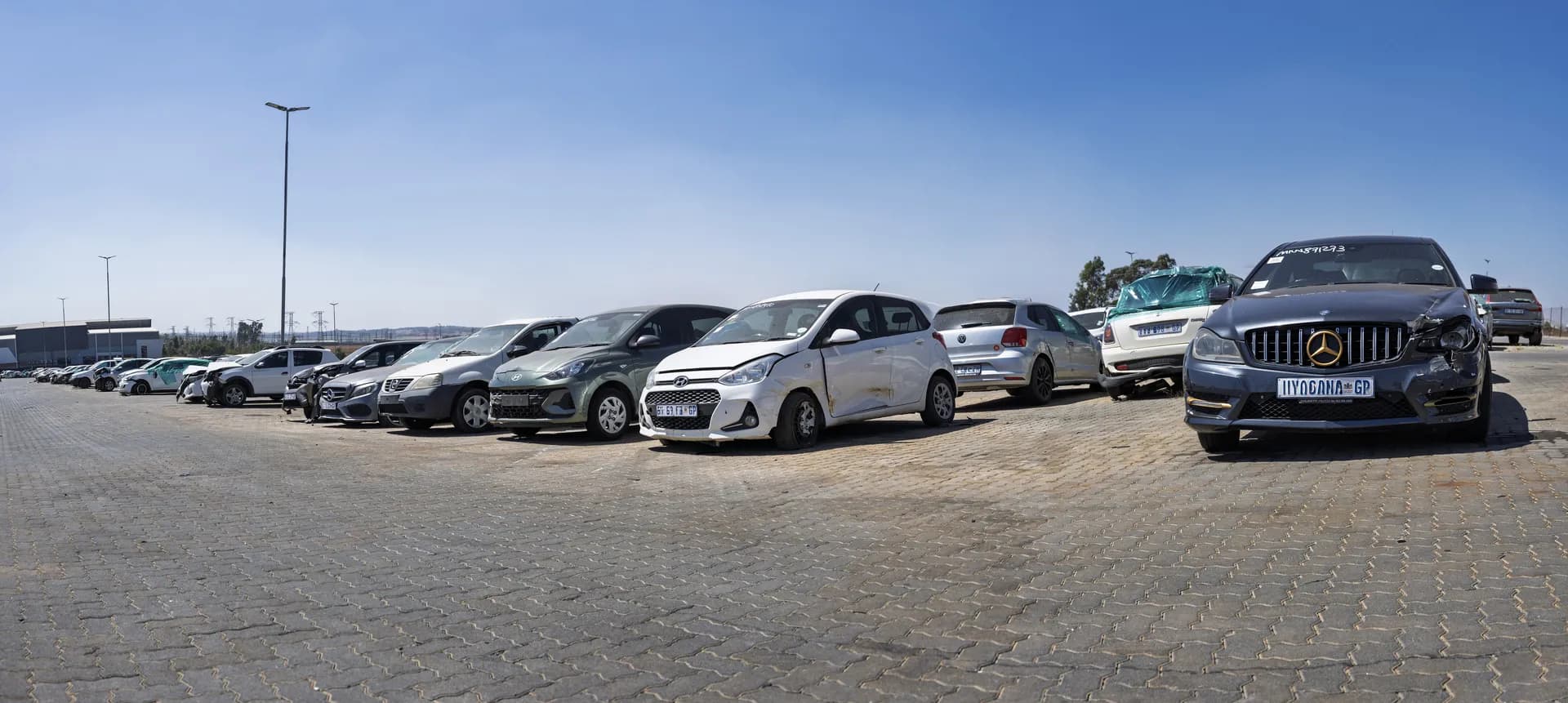
Overview: Why Checking for Hidden Damage Matters
When buying or selling a used car in South Africa, it's crucial to uncover any hidden damage recorded in the vehicle's history. Whether you own a car with prior accident repairs or are assessing a potential purchase, overlooking concealed issues can have safety and financial consequences. South Africa has seen a rise in vehicles being repaired post-accident and re-entered into the resale market, sometimes without proper disclosure of all underlying damage.
Many sellers, knowingly or not, may list vehicles as "accident free" even when previous repairs haven't been disclosed. Understanding how to identify and verify hidden damage can protect you from costly mistakes and help you achieve a fair transaction whether selling or buying.
What Is Hidden Vehicle Damage?
Hidden damage refers to prior repairs or structural issues resulting from a crash, flood, fire, or mechanical failure that aren't obvious on simple visual inspection. These may include poorly repaired chassis, replaced airbags without documentation, electronic faults after flood exposure, or concealed rusting. Sellers may not even be aware of all previous repairs, especially if the vehicle has had multiple owners.
Types of Damage Often Missed in History Reports
- Accident repairs not reported to insurance
- Chassis or frame damage restored by panel beaters
- Flood or water ingress affecting electronics
- Undeclared previous write-off and salvage rebuilds
- Fire, corrosion, or mechanical replacement parts
How to Check for Hidden Damage in Vehicle History
To uncover non-obvious damage, you'll need to go beyond a quick visual check and pay attention to the vehicle's history documentation. Here are South Africa-specific sources and methods you can use:
- Request a printed or digital NAAMSA eNaTIS (National Traffic Information System) history for key changes in registration, code changes (such as to "Code 3" rebuilt or "Code 2" used), or dates of ownership transfer.
- Use services like TransUnion Car Value Report or Automobile Association vehicle check to obtain accident history, if available, and to spot discrepancies in mileage or model year.
- Ask the seller/i> for detailed service records and previous repair invoices. Look for entries about accident damage, paint, airbags, or electronic systems.
Table: Common Data Sources for Vehicle History in SA
| Source | What it Reveals | Limitations |
|---|---|---|
| eNaTIS History | Changes in registration, code changes, previous written-off status | May not include all accident reports |
| Insurance Records | Official claims, write-offs, repairs paid by insurers | Not accessible without consent |
| Dealer/AA Reports | Inspection status, accident/structural signs | Varied thoroughness |
| Workshop Service Books | Maintenance and repair logs | Incomplete if work done off-book |
When to Suspect Hidden Damage: Red Flags
- Recent respray or mismatched paint panels
- Irregular gaps between body panels and doors
- Code 3/"rebuilt" vehicle without clear documentation
- Missing service history, or sudden mileage changes
- New parts in engine bay, but car is relatively new
Repair Cost vs Value Retained Table (Typical SA Scenarios)
| Repair Type | Avg. Cost (R) | % Value Retained | Impact on Future Sale |
|---|---|---|---|
| Panel Beating (minor) | 6,000 - 10,000 | 80 - 90% | Low, if documented |
| Major Structural Repair | 25,000 - 60,000 | 50 - 70% | High, especially if not declared |
| Flood/Electrical Repair | 10,000 - 30,000 | 40 - 60% | High risk, often leaves trace faults |
What to Do if You Find Hidden Damage
- If buying: Negotiate the price with proof, or walk away if the details don't add up.
- If selling: Be honest and declare all known repairs-transparency can avoid future liability and build buyer trust.
- When in doubt, get an independent inspection from a reputable provider before transacting.
South African law requires all sellers to disclose material failures or accidents. Non-disclosure may result in the transaction being voided or legal action. Always retain copies of reports and correspondence to safeguard your position.
Final Tips & Next Steps
- For vehicles with code changes, accident or non-running status, consider a specialist service to get a transparent offer and streamline the paperwork and deregistration steps.
- If uncertain about value, research the Sell Damaged Cars process or see our About/How it works guide.
- For non-runners, the Sell Non-Running Car page details the hassle-free collection and sales process in SA.
Sources
Seasoned automotive specialists dedicated to helping you turn your damaged or non-running vehicle into cash fast and hassle-free.
Disclaimer: This content is for educational purposes only. Product availability, pricing, and specifications are subject to change. Always verify current details on the retailer's website before making a purchase. We may earn affiliate commissions from qualifying purchases.
Why sell your damaged car to us?

A Division of Auction Nation, the leading expert in selling damaged cars

Best price for your damaged car

Get a cash offer within 24h

We buy damaged cars in any condition

We buy accident- damaged cars still under finance

Free, no obligation offer on your vehicle
How We Calculate Your Damaged Car’s Value
Wondering how we calculate your car’s value? At Sell Your Damaged Car, we look at: Your car’s real condition, its salvage value, and the current market demand. It’s all about honesty, transparency, and fairness — that’s how we determine your offer.
Frequently Asked Questions
Get answers to common questions about Tips And Advice
Why Choose Sell Your Damaged Car?
Free Towing
Need a tow? We got you
Hassle Free
Get a cash offer within 24h!
Nationwide
Somewhere remote? No problem!
