
What Does a Vehicle History Report Include? A South Africa Guide
Discover what a vehicle history report includes in South Africa: ownership, accidents, finance, mileage, registration and practical tips for buyers and sellers.
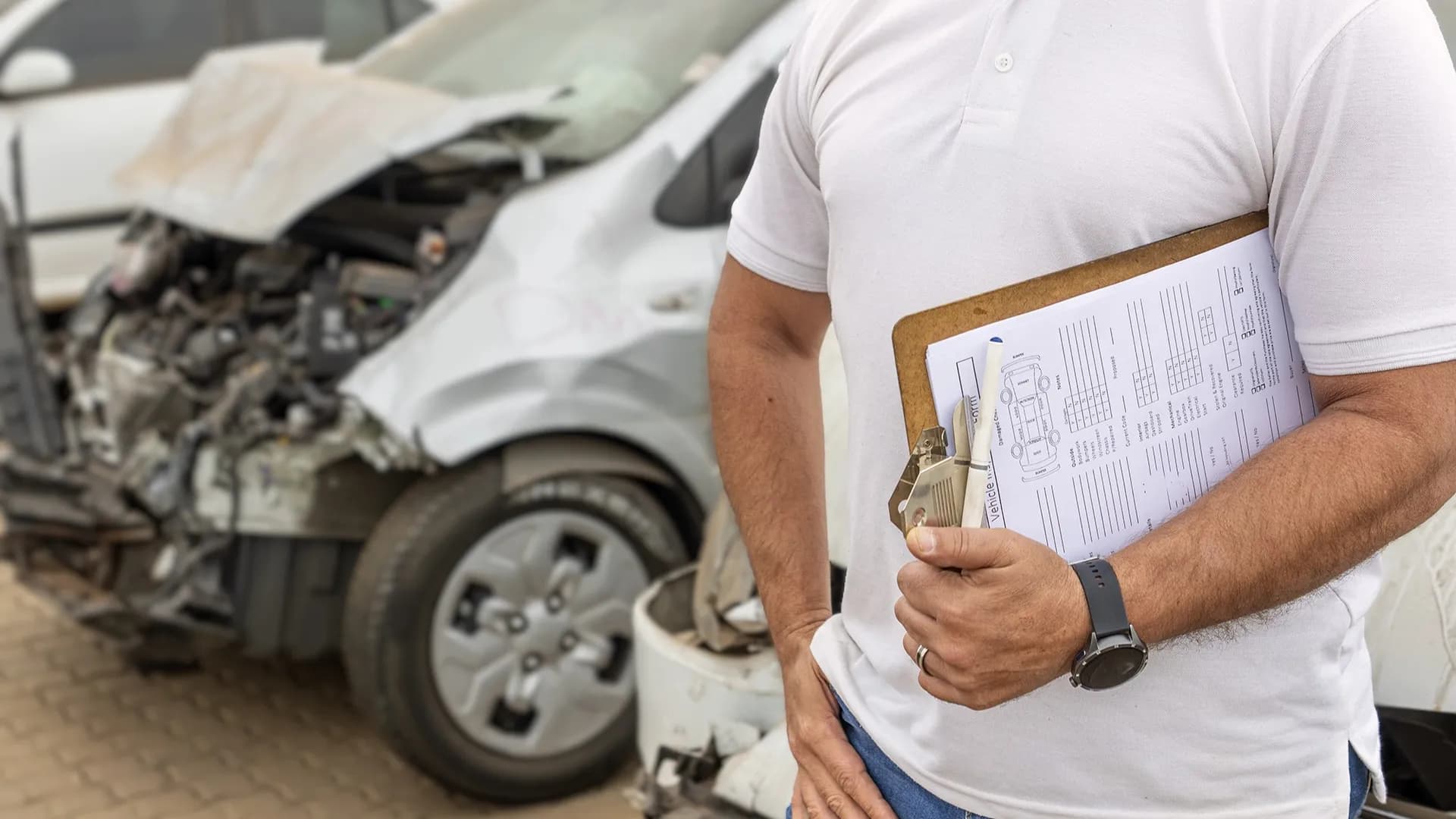
What Reports Show
Ownership, accidents, finance, mileage and registration flags.
Use Reports to Decide
Combine the report with inspection to choose repair or sell options.
SA Legal Checks Matter
Verify finance and ownership before transfer to avoid surprises.
Overview: What a vehicle history report includes
A vehicle history report compiles recorded information about a car’s past to help buyers, sellers and fleet managers make informed decisions. In South Africa a typical report will include ownership history, recorded accidents or write-offs, registration details, mileage records where available, and flags for finance or insurance liens. Knowing what a vehicle history report includes helps you spot undisclosed damage, outstanding finance, odometer issues and registration anomalies before you transfer ownership or accept an offer.
If you are preparing to sell a non-running or damaged vehicle, review an example report so you can answer buyer questions and set expectations. For an explanation of how a buyer like Sell Your Damaged Car evaluates cars in any condition, see our About / How it works page.
Key items included in most vehicle history reports
- Registration & VIN details: Vehicle Identification Number (VIN), registration dates and registration changes. This confirms the car you’re checking matches documents.
- Ownership history: Number of previous owners and transfer dates - useful to detect frequent ownership changes that can signal unresolved issues.
- Accident, write-off and salvage records: Insurance or police-reported incidents, total loss/write-off status, and salvage entries where available.
- Finance & lien searches: Records of outstanding finance, bank liens or legal holds against the vehicle. In South Africa, selling a car with outstanding finance requires disclosure and settlement before a clean transfer.
- Mileage and inspection flags: Odometer readings from service or inspection records and alerts for potential rollback.
- Theft or police records: If a vehicle has been reported stolen or recovered, this appears on many reports.
- Service history & recalls (where available): Dealer service entries and manufacturer recall notices when these datasets are accessible.
When to use a vehicle history report - selling vs repairing
A vehicle history report is useful at multiple decision points. If you’re selling a damaged or non-running car, a report shows prospective buyers whether the vehicle carries unresolved finance or has a write-off history. If you’re weighing repair vs sell, the report helps by revealing prior accident damage or recurring issues that will affect long-term value.
For selling options that handle damaged or non-running vehicles, compare services designed for those conditions, for example the Sell Non-Running Car and Sell Damaged Cars pages to see how history, condition and paperwork are handled in practice.
How a vehicle history report is compiled (data sources)
Reports aggregate data from multiple public and private sources: registration databases, insurance companies, service dealers, salvage processors, auction houses and finance registries. Coverage varies by provider; some reports are richer on accident data, others focus on lien/finance status. Always check which sources the chosen report provider uses to understand potential gaps.
| Data Type | Typical Source | Notes for SA |
|---|---|---|
| Registration / VIN | National and provincial registration records | Essential to confirm identity; use for deregistration checks |
| Accident / Write-off | Insurer and salvage databases | May not include small repairs not reported to insurers |
| Finance / Liens | Banks, credit bureaus and repossession registries | Crucial before sale; outstanding finance must be settled |
Quick note
No single report is exhaustive. Use a vehicle history report alongside a physical inspection and service records. For a concise view of how a professional buying service works with history and condition checks, see the Sell Your Damaged Car homepage.
Damage types vs typical report impact
| Damage Type | How it appears on a report | Typical effect on market perception |
|---|---|---|
| Major accident / write-off | Write-off or salvage record, insurer notes | High impact - buyers expect substantial repair history |
| Minor accident / repaired | May show repair claims or no record if privately repaired | Medium impact - transparency reduces buyer uncertainty |
| Flood or fire | Flagged when insurers or salvage identify cause | High impact - often affects insurability and resale |
Repair cost vs value retained (estimate)
Below is a simplified illustration of how repair investment can influence retained market value. Figures are indicative ranges for South Africa and are not offers or guarantees.
| Repair Cost (R, estimate) | Typical Value Retained (approx.) | When repair may be sensible |
|---|---|---|
| R5,000 - R20,000 | Small uplift; depends on repair quality | Minor bodywork and mechanical fixes |
| R20,000 - R60,000 | Moderate uplift; may exceed net sales gain costs | Significant mechanical or structural work |
| R60,000+ | Returns uncertain; depends on original vehicle value | Major rebuilds on lower-value vehicles often uneconomic |
Legal & paperwork considerations in South Africa
A vehicle history report can reveal legal matters that affect transfer. Common issues include outstanding finance, missing documents and incorrect registered owner. In South Africa, sellers must ensure outstanding finance is disclosed and ideally settled before transfer. Buyers should verify clear ownership and that the registered details match the seller’s ID and the car’s VIN.
If you’re using a professional buyer that handles paperwork and deregistration, confirm precisely which steps the buyer completes. For examples of streamlined admin and collection processes for damaged or non-running cars, review our practical process descriptions on the About / How it works page.
Tips to use a vehicle history report effectively
- Cross-check VIN, registration papers and service stamps to confirm consistency.
- Use the report to ask targeted questions about repairs, outstanding finance and prior damage.
- Combine the report with a physical inspection and, where needed, a mechanic’s assessment.
- If the report flags finance, request documentation proving settlement before completing a sale.
What happens after you check a report
If the report uncovers issues you can address (service history to produce, finance to settle), handle those before marketing or transferring the vehicle. If the report indicates major write-offs or unclear history, adjust expectations or consider options tailored to salvage and non-running vehicles; specialised buyers frequently accept cars in any condition and can handle towing and paperwork, reducing logistical burden.
For sellers who prefer a quick route that manages collection and documentation, learn how an industry service handles evaluation and paperwork on the Sell Non-Running Car and Sell Damaged Cars pages.
Sources
- South African Police Service (SAPS) - national policing and stolen vehicle reporting (https://www.saps.gov.za/) ?utm_source=straider&utm_medium=referral&utm_campaign=prebo-digital
- Road Traffic Authorities & registration guidelines - provincial registries and vehicle registration processes (https://www.rtaa.co.za/) ?utm_source=straider&utm_medium=referral&utm_campaign=prebo-digital
- Insurance & salvage guidance - insurer reporting and write-off categories (https://www.ersa.org.za/) ?utm_source=straider&utm_medium=referral&utm_campaign=prebo-digital
Seasoned automotive specialists dedicated to helping you turn your damaged or non-running vehicle into cash fast and hassle-free.
Disclaimer: This content is for educational purposes only. Product availability, pricing, and specifications are subject to change. Always verify current details on the retailer's website before making a purchase. We may earn affiliate commissions from qualifying purchases.
Why sell your damaged car to us?

A Division of Auction Nation, the leading expert in selling damaged cars

Best price for your damaged car

Get a cash offer within 24h

We buy damaged cars in any condition

We buy accident- damaged cars still under finance

Free, no obligation offer on your vehicle
How We Calculate Your Damaged Car’s Value
Wondering how we calculate your car’s value? At Sell Your Damaged Car, we look at: Your car’s real condition, its salvage value, and the current market demand. It’s all about honesty, transparency, and fairness — that’s how we determine your offer.
Frequently Asked Questions
Get answers to common questions about Legal And Paperwork
Why Choose Sell Your Damaged Car?
Free Towing
Need a tow? We got you
Hassle Free
Get a cash offer within 24h!
Nationwide
Somewhere remote? No problem!
