
Vehicle History & Due Diligence in South Africa: What Owners and Sellers Must Know
Learn how to check vehicle history, perform due diligence, and avoid common pitfalls in South Africa's salvage and used car market. Your guide to safe transactions.
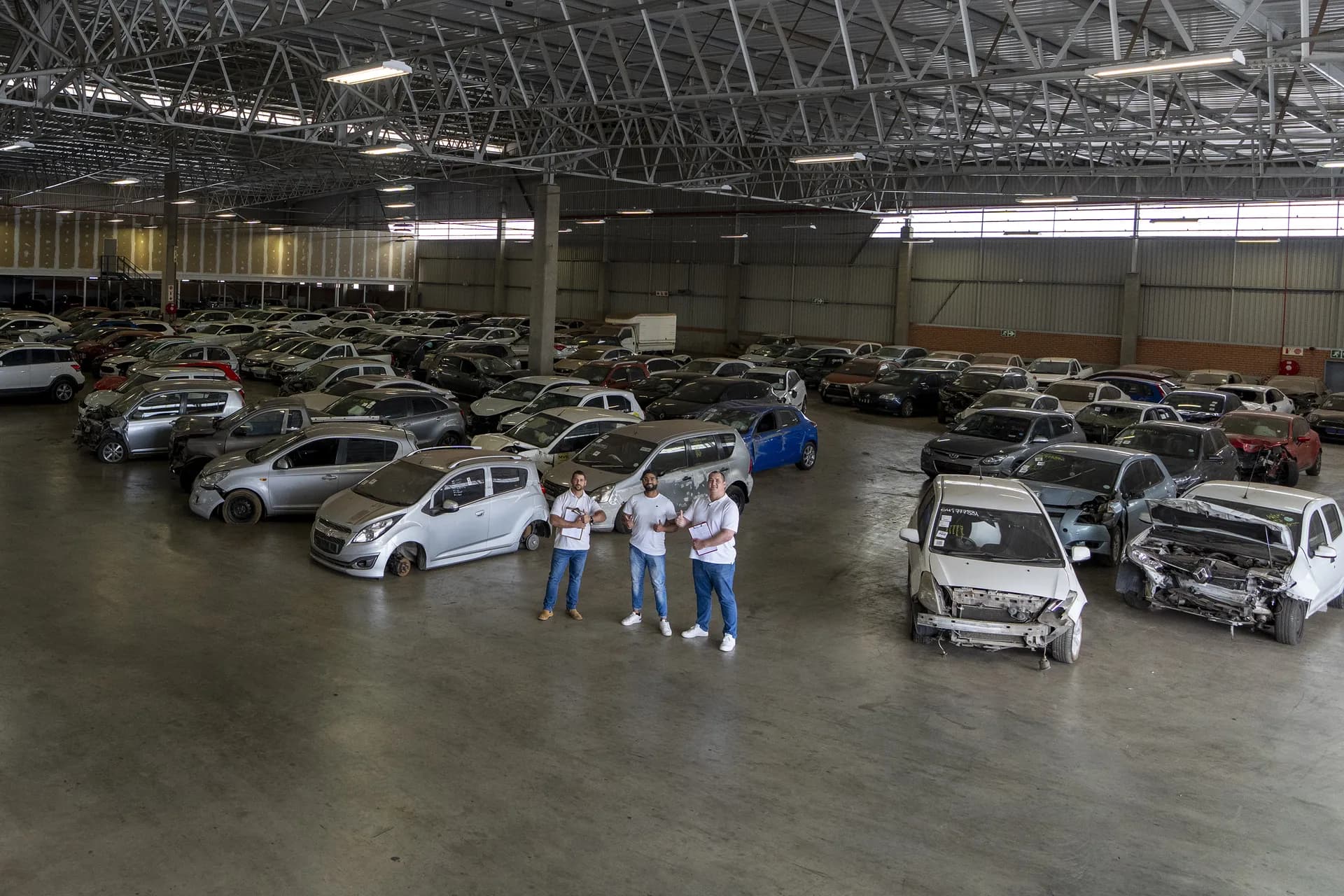
Overview: Why Vehicle History Matters in South Africa
Whether you're selling a damaged car or purchasing a used vehicle, verifying the car's history and performing due diligence are essential steps for South African vehicle owners. A vehicle's history report reveals accident records, ownership background, prior finance, and more-helping you avoid legal and financial pitfalls. For those dealing with accident-damaged, written-off, or non-running cars, thorough due diligence safeguards both sellers and buyers from potential scams, undisclosed liabilities, and future hassles.
What Is Covered in a Vehicle History Report?
- Accident and repair records (including insurance write-offs or salvage)
- Previous ownership and change of title
- Outstanding finance or debts secured on the vehicle
- Police records (theft, loss, or recovery)
- Odometer readings and discrepancies
Accessing official records helps confirm if the damaged or non-running car you want to sell (or buy) is legally transferable, deregistered, and debt-free. Failing to check a car's history puts you at risk of inheriting unresolved problems or even counterfeit vehicles.
Due Diligence Steps for Sellers and Buyers
- Obtain a recent vehicle history report (from Vehicle Identification Number - VIN)
- Inspect original registration papers and confirm they match the seller's ID
- Verify engine and chassis numbers against SA's eNatis records
- Ensure there is no outstanding finance (get settlement letters from the bank if the vehicle is or was under finance)
- Check for police clearance, especially if the vehicle is classified as salvage or rebuilt
- Review any previous accident or damage documentation
| History Item | Risk if Not Checked |
|---|---|
| Outstanding finance | Possible repossession by bank |
| Missing accident records | Disputes, value loss, or buyer mistrust |
| Unregistered modifications | Legal/insurance issues, failed roadworthy test |
| Incorrect ownership | Fraud or delayed transfer |
Using professional services like Sell Your Damaged Car ensures that all regulatory checks and paperwork are handled appropriately, significantly reducing your exposure to risk.
How Due Diligence Impacts Damaged and Salvage Vehicles in South Africa
The South African market for salvage, accident-damaged, and non-running vehicles is heavily regulated. Sellers must disclose any prior insurance classification as a write-off or code 3/4 status. Buyers, meanwhile, often rely on detailed history reports to make informed decisions and avoid post-sale disputes.
| Vehicle Damage Type | Impact on Offer Value (Average Range) |
|---|---|
| Minor accident damage | 5-20% below undamaged market value |
| Major accident/written-off (salvage) | 30-60% or more below market, depending on extent |
| Mechanical non-runners | Value depends on age, demand for spares, repair costs |
These figures are for illustration and will vary with make, model, and specific condition. Full transparency on leaks, repairs, and prior insurance claims is not just a legal requirement, but builds trust and supports a smoother sale process.
Tips to Maximise Value and Reduce Risk:
- Gather all original documentation (registration, previous repair invoices, police clearance if required)
- Be clear about damage and provide accurate photos
- If selling a financed car, secure a settlement quote and proof of payment to the bank
- Use reputable online buyers with established due diligence and admin support, like Sell Your Damaged Car
Common Mistakes and How to Avoid Them
- Neglecting to confirm outstanding finance (risking legal action or blocked sale)
- Relying on verbal disclosures-always request written evidence and official reports
- Handing over the vehicle before full payment or contracts are in place
- Selling to unverified buyers without transparent processes (risk of scams or unpaid deals)
South African vehicle owners and sellers should work only with buyers offering clear due diligence, as with authorised buyers that facilitate free towing and handle paperwork nationwide (Johannesburg, Cape Town, Durban, and beyond).
Sources
Seasoned automotive specialists dedicated to helping you turn your damaged or non-running vehicle into cash fast and hassle-free.
Disclaimer: This content is for educational purposes only. Product availability, pricing, and specifications are subject to change. Always verify current details on the retailer's website before making a purchase. We may earn affiliate commissions from qualifying purchases.
Why sell your damaged car to us?

A Division of Auction Nation, the leading expert in selling damaged cars

Best price for your damaged car

Get a cash offer within 24h

We buy damaged cars in any condition

We buy accident- damaged cars still under finance

Free, no obligation offer on your vehicle
How We Calculate Your Damaged Car’s Value
Wondering how we calculate your car’s value? At Sell Your Damaged Car, we look at: Your car’s real condition, its salvage value, and the current market demand. It’s all about honesty, transparency, and fairness — that’s how we determine your offer.
Frequently Asked Questions
Get answers to common questions about Legal And Paperwork
Why Choose Sell Your Damaged Car?
Free Towing
Need a tow? We got you
Hassle Free
Get a cash offer within 24h!
Nationwide
Somewhere remote? No problem!
