
Rebuilt Car History Verification in South Africa: What Buyers and Sellers Must Know
Learn how to verify rebuilt car status (code 3) in South Africa, avoid paperwork pitfalls, and safeguard your interests when buying or selling damaged vehicles.
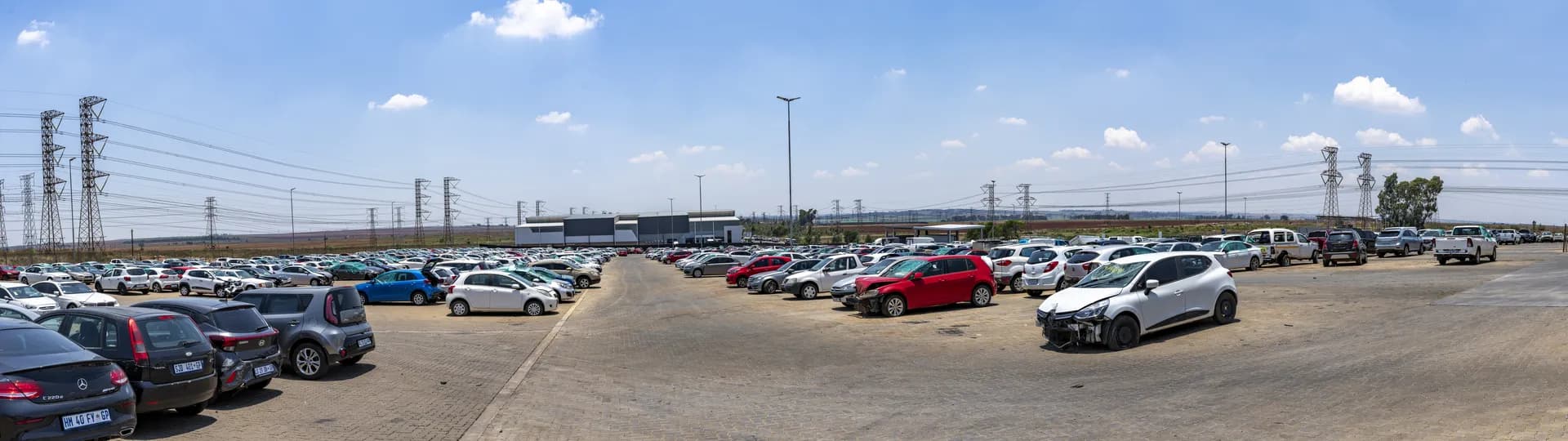
Overview: Why Rebuilt Car History Matters
A rebuilt car, sometimes known as reconditioned or reassembled, is a vehicle that was previously written off due to severe accident or damage and then restored for road use. In South Africa, verifying the history of a rebuilt car is critical for both buyers and sellers. This process helps confirm roadworthiness, legal standing, and value, while protecting against fraud or undisclosed issues.
How to Identify a Rebuilt Car in SA
- Look for "Code 3" or "Rebuilt" on the registration certificate.
- Conduct VIN and police clearance checks via NaTIS (National Traffic Information System).
- Request full service and repair records from the seller or previous owner.
- Check for noticeable differences in panel, paint, or weld quality.
Rebuilt Car Verification: Step-by-Step
- Obtain the full 17-digit VIN (Vehicle Identification Number); inspect the car and match with the registration certificate.
- Use NaTIS or accredited providers to access vehicle status, previous write-off records, and ownership history.
- Arrange a roadworthy test and police clearance; both are required for officially re-registering a rebuilt car.
- Review insurance history-some companies avoid insuring rebuilt cars or impose special conditions.
Table: Vehicle Codes and Their Meaning in South Africa
| Code | Description | Implication |
|---|---|---|
| Code 1 | New or previously unregistered vehicle | No major history; standard resale |
| Code 2 | Used/second-hand vehicle | Normal market vehicle |
| Code 3 | Rebuilt (previously written-off, then rebuilt and inspected) | Lower resale value, may have limited insurance options |
| Code 4 | Permanently demolished (non-repairable) | Not for road use or resale |
Legal & Paperwork: What Is Required?
- Original and current registration certificate (showing the "rebuilt" status and code)
- Police clearance certificate (after rebuild)
- Roadworthy certificate issued after repairs
- In some cases, proof of parts receipts and qualified workmanship
The Risks of Buying or Selling a Rebuilt Car Without Verification
Failure to properly check a rebuilt car's history can result in costly disputes, liability for undisclosed faults, or even purchasing an illegally reconstructed vehicle. As a seller, fully disclosing the rebuilt status is not only ethical but a legal obligation.
Table: Common Damage Types and Impact on Value (Estimates)
| Damage Type | Disclosure on History | Impact on Offer/Value |
|---|---|---|
| Front-end collision | Required if written-off/rebuilt | Up to 30-50% below equivalent Code 2 |
| Flood damage | Disclosure and full inspection advised | Major value decrease, sometimes hard to insure |
| Fire damage (rebuilt) | Mandatory disclosures | Heavily reduced value; close technical review needed |
These are guideline impacts; market value is also affected by demand, vehicle age, and quality of repairs. In South Africa, the presence of a "code 3" label is a persistent flag, often limiting trade-in and resale options to specialist buyers like Sell Your Damaged Car.
Best Practices for Buyers and Sellers
- Buyers: Always order a full NaTIS or private vehicle history report and inspect documentation carefully.
- Sellers: Disclose all repairs, provide documentation, and ensure legal compliance with ownership transfer rules.
- Businesses selling fleet vehicles: Keep clear maintenance and accident records for each unit; this enhances trust in the resale market.
What Happens After Sale or Purchase?
- Seller must report the sale and organise deregistration or new ownership paperwork via their local licensing office.
- Buyer should confirm the updated registration reflects correct status (code) and personal details.
- Further technical inspections may be needed before insurance is finalised or road use resumed.
Sources
Seasoned automotive specialists dedicated to helping you turn your damaged or non-running vehicle into cash fast and hassle-free.
Disclaimer: This content is for educational purposes only. Product availability, pricing, and specifications are subject to change. Always verify current details on the retailer's website before making a purchase. We may earn affiliate commissions from qualifying purchases.
Why sell your damaged car to us?

A Division of Auction Nation, the leading expert in selling damaged cars

Best price for your damaged car

Get a cash offer within 24h

We buy damaged cars in any condition

We buy accident- damaged cars still under finance

Free, no obligation offer on your vehicle
How We Calculate Your Damaged Car’s Value
Wondering how we calculate your car’s value? At Sell Your Damaged Car, we look at: Your car’s real condition, its salvage value, and the current market demand. It’s all about honesty, transparency, and fairness — that’s how we determine your offer.
Frequently Asked Questions
Get answers to common questions about Legal And Paperwork
Why Choose Sell Your Damaged Car?
Free Towing
Need a tow? We got you
Hassle Free
Get a cash offer within 24h!
Nationwide
Somewhere remote? No problem!
