
What Paperwork Is Needed for Selling Salvage Vehicles in South Africa
Get a full checklist of documents required to sell a salvage or written-off vehicle in South Africa. Learn about deregistration, Code 3 status, and how to simplify paperwork.
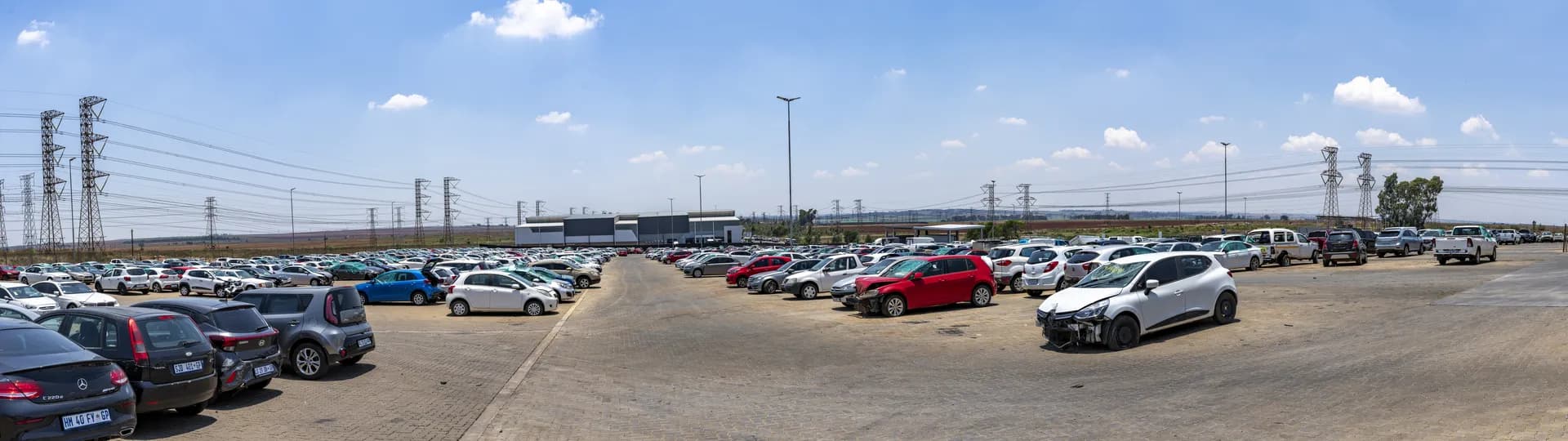
Overview: Selling Salvage Vehicles & the Law
If your vehicle has been written off, severely damaged, or classified as salvage after an accident, selling it requires strict legal compliance. In South Africa, transferring ownership of a salvage vehicle involves more than simply handing over the keys: several documents are essential for a valid and complaint transaction. Whether you're an individual in Johannesburg, a small business fleet operator in Durban, or just want a seamless handover in Cape Town, preparing the right paperwork is crucial for both your peace of mind and the new owner's legal standing.
When Is a Vehicle Considered Salvage?
A vehicle is typically classified as salvage when it has suffered major accident or flood damage, is declared uneconomical to repair by an insurer, or is listed as "Code 3" on the registration certificate. Such vehicles are often removed from normal road use, but can still be sold for parts, scrap, or to specialised salvage buyers like Sell Your Damaged Car.
| Vehicle Status | Registration Code | Documentation Impact |
|---|---|---|
| Accident-damaged (but repairable) | Code 2 | Standard sale forms plus repair records |
| Written-off / Salvage | Code 3 | Requires deregistration, proof of status, salvage documentation |
Essential Paperwork for Selling Salvage Vehicles
- Vehicle Registration Certificate (RC1): The green form or eNatis printout showing the car's details and legal owner. For salvage vehicles, it should reflect Code 3 status.
- Owner's ID Document: A clear copy of your South African ID or driver's license (or business registration for companies).
- Declaration of Salvage Status: A formal statement (often required by buyers or the licensing office) confirming the car is sold as salvage/non-runner/for parts.
- Notification of Change of Ownership (NCO) - Form NCO: This is submitted to your local licensing office within 21 days of sale to release you from future liability.
- Deregistration (Form RLV): Needed if the vehicle will be scrapped or not returned to the road. This is common for Code 3 and often handled by buyers like Sell Your Damaged Car.
- Settlement Letter (if financed): Letter from the bank/NCR showing the vehicle is no longer under finance. Required if your car was still being paid off.
- Proof of Address (recent utility bill): Usually required for both buyer and seller as additional verification.
Private sellers may need to supply additional documentation (e.g., insurance payout/discharge letters or written-off notifications from insurers). When you use a professional salvage buyer, some paperwork is simplified or handled for you-including towing, deregistration, and submissions to authorities.
How the Salvage Vehicle Sale Process Works
- Gather all mandatory papers: registration, copy of ID, NCO form, settlement letter (if needed), and salvage status declaration.
- Submit your car's details and documentation via an online form (like Sell Your Damaged Car's secure portal).
- Once agreed, arrange collection. Specialists like Sell Your Damaged Car offer free nationwide towing and assist with on-site paperwork finalisation.
- On collection day, sign over forms NCO and RLV (if car is to be scrapped/deregistered). Complete handover with verification from buyer's representative and receive proof of transfer/payment.
Legal Requirements & Deregistration
| Document | Who Handles It? | Notes |
|---|---|---|
| NCO Form | Seller | Submit at licensing office within 21 days |
| RLV Deregistration | Seller / Buyer (if arranged) | Required if the car is not returning to road use |
| Insurance or Bank Settlement | Seller | Proves car is clear to sell (no finance outstanding) |
Practical Tips to Ensure a Smooth Sale
- Photocopy all documents before handing over originals to the new owner or buyer.
- If unsure about a form or step, ask for assistance from your buyer or a local licensing authority.
- Use a reputable salvage buyer that handles admin and verification to lower your risk (see our comparisons between private sales and specialist services).
- Keep written confirmation of both the transfer and payment received.
After the sale, monitor your eNatis profile or licensing records to ensure the vehicle is no longer registered to your name. Responsible paperwork means peace of mind and prevents liability for future fines or claims.
Sources
Seasoned automotive specialists dedicated to helping you turn your damaged or non-running vehicle into cash fast and hassle-free.
Disclaimer: This content is for educational purposes only. Product availability, pricing, and specifications are subject to change. Always verify current details on the retailer's website before making a purchase. We may earn affiliate commissions from qualifying purchases.
Why sell your damaged car to us?

A Division of Auction Nation, the leading expert in selling damaged cars

Best price for your damaged car

Get a cash offer within 24h

We buy damaged cars in any condition

We buy accident- damaged cars still under finance

Free, no obligation offer on your vehicle
How We Calculate Your Damaged Car’s Value
Wondering how we calculate your car’s value? At Sell Your Damaged Car, we look at: Your car’s real condition, its salvage value, and the current market demand. It’s all about honesty, transparency, and fairness — that’s how we determine your offer.
Frequently Asked Questions
Get answers to common questions about Legal And Paperwork
Why Choose Sell Your Damaged Car?
Free Towing
Need a tow? We got you
Hassle Free
Get a cash offer within 24h!
Nationwide
Somewhere remote? No problem!
