
Understanding Salvage Titles in South Africa: What Owners Need to Know
A detailed guide to salvage and rebuilt (Code 3) vehicle titles in South Africa. Learn what they mean, how to sell, legal tips, and paperwork steps.
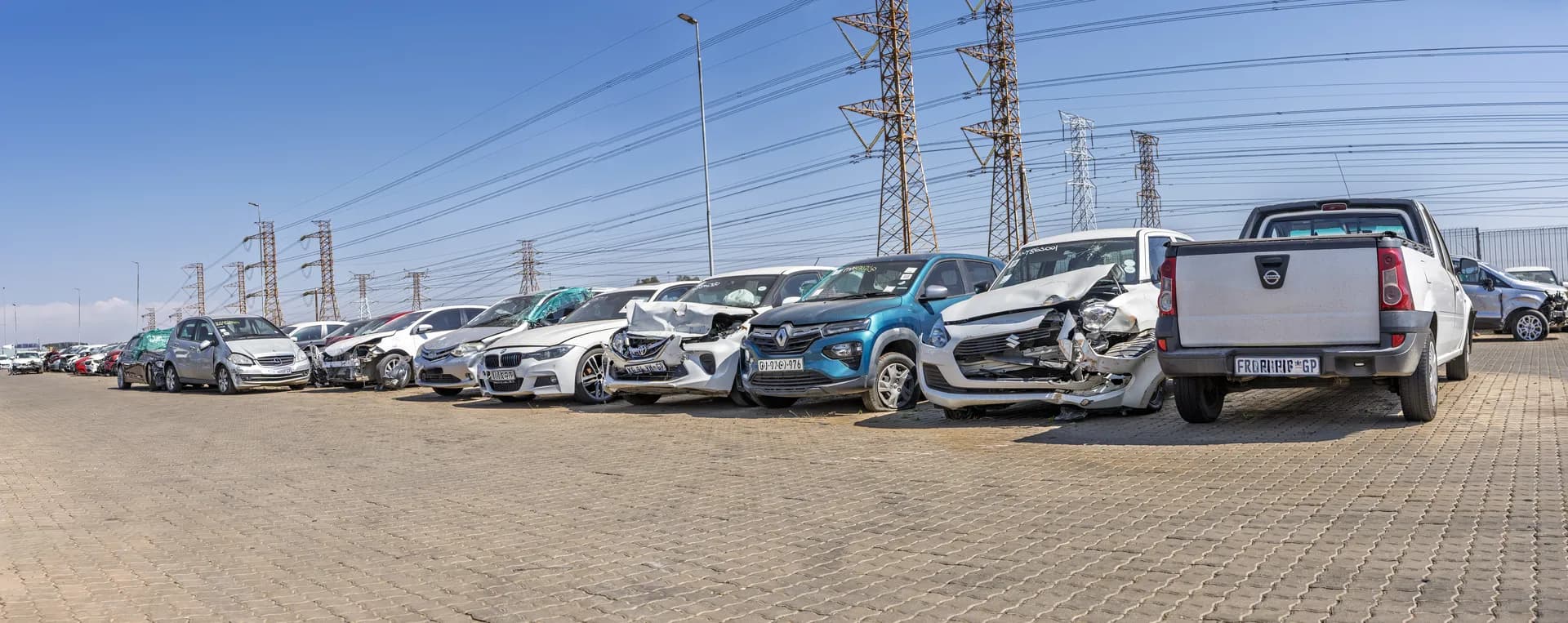
Overview: What Is a Salvage Title?
In South Africa, a 'salvage title' refers to a vehicle status issued when a car is so severely damaged-by accident, flood, fire, or theft recovery-that insurers declare it uneconomical to repair. The vehicle is typically given a Code 3 status (per National Road Traffic Act classification), meaning it's permanently marked as 'rebuilt' or 'written off.' This impacts its value, insurability, and how it can legally be sold. Understanding these titles is crucial if you're considering repairing, deregistering, or selling your damaged or written-off car.
Common Salvage Codes in South Africa
| Code | Meaning | Description |
|---|---|---|
| Code 1 | New/Used | Normal registration. No major accident or write-off history. |
| Code 2 | Used | Good working order, no salvage status. |
| Code 3 | Rebuilt/Salvage | Previously written-off or irreparably damaged, then rebuilt, or for parts only. |
| Code 4 | Scrapped | Irrecoverable, de-registered, may only be used for scrap/parts. |
When Do Cars Receive Salvage Titles?
- After serious accidents resulting in structural damage.
- Following flood or fire where repair costs exceed resale value.
- When an insurer writes off a stolen vehicle, later recovered.
Insurance companies, in compliance with Road Traffic regulations, are required to report totalled, written-off, and permanently damaged vehicles to the eNaTIS vehicle registry. Once recorded as Code 3 or Code 4, these vehicles carry the salvage status for life, affecting what you (the owner) can do next.
Should You Repair, Rebuild or Sell a Salvage Title Car?
Salvage (Code 3) vehicles can sometimes be professionally repaired and re-registered as 'rebuilt'. However, they often have diminished market value and may face restrictions with financing and insurance. Consider these factors before making your decision:
| Path | Pros | Cons | Typical Use |
|---|---|---|---|
| Repair & Re-register | Potential to drive again | Costly, must pass RTMC inspection, insurance may be limited | Low-value vehicles, DIY enthusiasts |
| Sell for Salvage/Parts | Quick disposal, immediate cash | Reduced offer, cannot return to road | Code 3 or 4 vehicles, major damage |
| Deregister (Scrap) | Ends liability, matches legal requirements | No resale, parts only | Irreparable vehicles, fire/flood total loss |
How the Sell Your Damaged Car Process Works for Salvage Cars
If you decide not to repair or re-register your Code 3 vehicle, specialist buyers like Sell Your Damaged Car offer a straightforward route. Upload your car's details (including photos and salvage code status), get a competitive cash offer, and let us handle the legal process-including free nationwide collection and all eNaTIS paperwork.
Paperwork Requirements for Salvage Title Sales
- Original vehicle registration certificate (logbook) showing salvage or rebuilt status.
- Proof of deregistration if selling for parts or scrap (Code 4).
- Insurance documentation (if applicable) for claim reference.
- Historic service/repair records for rebuilt vehicles.
Our team at Sell Your Damaged Car coordinates directly with authorities for deregistration and reporting, giving you peace of mind as you transfer ownership lawfully.
South Africa-Specific Salvage Market Context
South African salvage vehicles are in demand for their parts or for cost-effective repairs by specialists. However, resale values are always discounted due to their branded history. Vehicles with valid Code 3 status-especially bakkies, SUVs, and popular passenger cars-may attract interest from rebuilders, while others are bought for spares or scrap metal.
After Collection: What Happens Next?
Once we collect your salvage vehicle, it's formally deregistered or retitled per regulations. Parts are recovered for the reuse market, or-if the vehicle is to be rebuilt-industry specialists submit it for roadworthy compliance testing. Owners receive evidence of transfer, and payments are made promptly on documentation handover.
Tips for Maximising Value and Avoiding Scams
- Be transparent: Accurately disclose the car's code status and supply complete documents.
- Document all transactions and keep proof of deregistration.
- Use trusted salvage buyers with a national presence and written payment confirmations.
- Check the eNaTIS registry to confirm the current code and title.
Further Resources
- How to Sell Damaged Cars
- Selling Non-Running Cars (with Code 3)
- Our Process for Salvage Vehicles
- Guide: How to Avoid Being Scammed
Sources
Seasoned automotive specialists dedicated to helping you turn your damaged or non-running vehicle into cash fast and hassle-free.
Disclaimer: This content is for educational purposes only. Product availability, pricing, and specifications are subject to change. Always verify current details on the retailer's website before making a purchase. We may earn affiliate commissions from qualifying purchases.
Why sell your damaged car to us?

A Division of Auction Nation, the leading expert in selling damaged cars

Best price for your damaged car

Get a cash offer within 24h

We buy damaged cars in any condition

We buy accident- damaged cars still under finance

Free, no obligation offer on your vehicle
How We Calculate Your Damaged Car’s Value
Wondering how we calculate your car’s value? At Sell Your Damaged Car, we look at: Your car’s real condition, its salvage value, and the current market demand. It’s all about honesty, transparency, and fairness — that’s how we determine your offer.
Frequently Asked Questions
Get answers to common questions about Legal And Paperwork
Why Choose Sell Your Damaged Car?
Free Towing
Need a tow? We got you
Hassle Free
Get a cash offer within 24h!
Nationwide
Somewhere remote? No problem!
