
Selling Salvage Vehicles in South Africa After an Accident: A Practical Owner's Guide
Learn how to sell your accident-salvaged vehicle in South Africa. Compare repair vs sale, handle paperwork, free nationwide towing, and get a competitive cash offer.
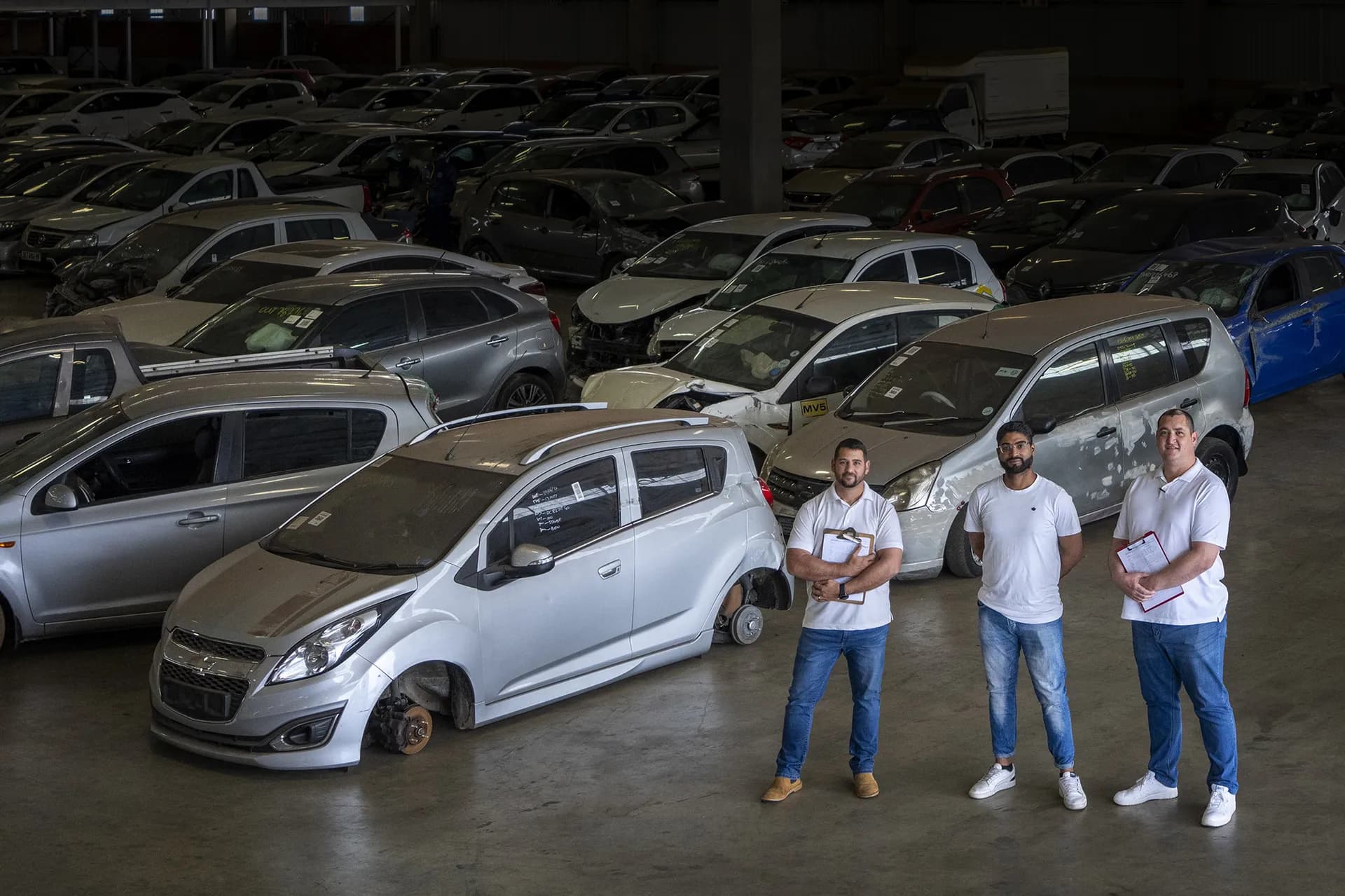
Overview: What is a Salvage Vehicle?
A salvage vehicle in South Africa is typically one written off by insurers due to accident damage, fire, flooding, or major mechanical failure. These cars are considered uneconomical to repair but might still carry significant value as spares or for resale to buyers specialising in non-running and damaged vehicles. If you've found yourself with an accident-salvaged car-whether you're a private owner in Johannesburg, a Cape Town fleet operator, or a Durban motor trader-understanding the process can help you avoid extra costs and stress.
When to Sell a Salvage Vehicle vs. Attempting Repairs
If your car's repair costs are projected to exceed its post-repair value, insurers will declare it a write-off or salvage. Here's how to decide whether selling or fixing is your best move:
| Scenario | Repair Cost (Estimated) | Market Value After Repair | Suggested Action |
|---|---|---|---|
| Minor Panel Damage | R12,000 | R105,000 | Consider repair or sale |
| Airbag + Chassis Damage | R70,000+ | R95,000 | Sell as salvage |
| Flood/Fire Damage | R85,000+ | R90,000 | Sell as salvage |
Factors like parts availability, the car's age, and insurance regulations also influence your decision. In many cases, direct sale to a specialist salvage buyer is the simplest, most efficient option.
How the Sale Process Works in South Africa
- Gather your vehicle's details: make, model, year, damage description, VIN, and photos.
- Submit these details to a reputable salvage buyer (such as Sell Your Damaged Car) via their online form.
- Receive a cash offer based on condition, current salvage market prices, and dismantling potential.
- If you accept the offer, schedule free nationwide towing-available in all major regions and remote areas.
- Hand over keys and ownership documents at collection. Paperwork, including deregistration and transfer, is handled on your behalf.
- Payment is made directly and quickly after collection, typically via verified electronic transfer.
Legal & Paperwork Aspects for Selling Salvage Vehicles
South African law requires proper change of ownership and, for write-offs, deregistration of the vehicle as "Scrapped" or "Demolished." A salvage buyer will guide you through:
- Completing the Notification of Change of Ownership (NCO) and Form NCO (available at licensing offices and online).
- Deregistering the vehicle at your provincial licensing department if it's beyond economic repair.
- Ensuring no outstanding finance or settling with your bank if the car is under finance. (Get written settlement figures from your lender.)
- Providing copies of your own ID, proof of address, and the vehicle's registration papers (logbook).
Tips to Maximise Your Offer
- Provide detailed photos from all angles, including the damage and any undamaged sections.
- Be upfront about extent of accident damage: transparency helps reduce delays and improves quote accuracy.
- Share any information on recent repairs or service history-it may boost value, especially for late-model vehicles.
- Remove personal possessions and clear out documentation before handover.
| Damage Type | Typical Impact on Offer |
|---|---|
| Front-end collision | Moderate-high reduction |
| Flood or fire | High reduction |
| Mechanical failure only | Lower reduction (parts useable) |
| Rear/side cosmetic damage | Mild reduction |
What Happens After Collection?
Your salvage vehicle will be processed for resale, parts stripping, or recycling, depending on its condition and the buyer's business model. Specialist buyers work within the legal salvage market-licenced and registered-and are responsible for registering the ownership transfer and confirming the deregistration if required. If you're in a major city (Johannesburg, Cape Town, Durban), towing often occurs within 24-48 hours; for more remote areas, allow up to 3 working days.
South African Salvage Market Context
The demand for salvage vehicles is driven by the need for affordable spares, vehicle rebuilders, and the growing number of cars written off by insurers each year. Working with an experienced service helps ensure your transaction is transparent, compliant and hassle-free. If uncertain, check the NaTIS statistics for insight into write-off volumes nationally.
Sources
Seasoned automotive specialists dedicated to helping you turn your damaged or non-running vehicle into cash fast and hassle-free.
Disclaimer: This content is for educational purposes only. Product availability, pricing, and specifications are subject to change. Always verify current details on the retailer's website before making a purchase. We may earn affiliate commissions from qualifying purchases.
Why sell your damaged car to us?

A Division of Auction Nation, the leading expert in selling damaged cars

Best price for your damaged car

Get a cash offer within 24h

We buy damaged cars in any condition

We buy accident- damaged cars still under finance

Free, no obligation offer on your vehicle
How We Calculate Your Damaged Car’s Value
Wondering how we calculate your car’s value? At Sell Your Damaged Car, we look at: Your car’s real condition, its salvage value, and the current market demand. It’s all about honesty, transparency, and fairness — that’s how we determine your offer.
Frequently Asked Questions
Get answers to common questions about Selling Guides
Why Choose Sell Your Damaged Car?
Free Towing
Need a tow? We got you
Hassle Free
Get a cash offer within 24h!
Nationwide
Somewhere remote? No problem!
