
Choosing Between Scrapping or Selling Your Car in South Africa
Decide whether to scrap, sell as-is or repair your car in South Africa. Compare costs, legal steps, timelines and tips to maximise your net return.
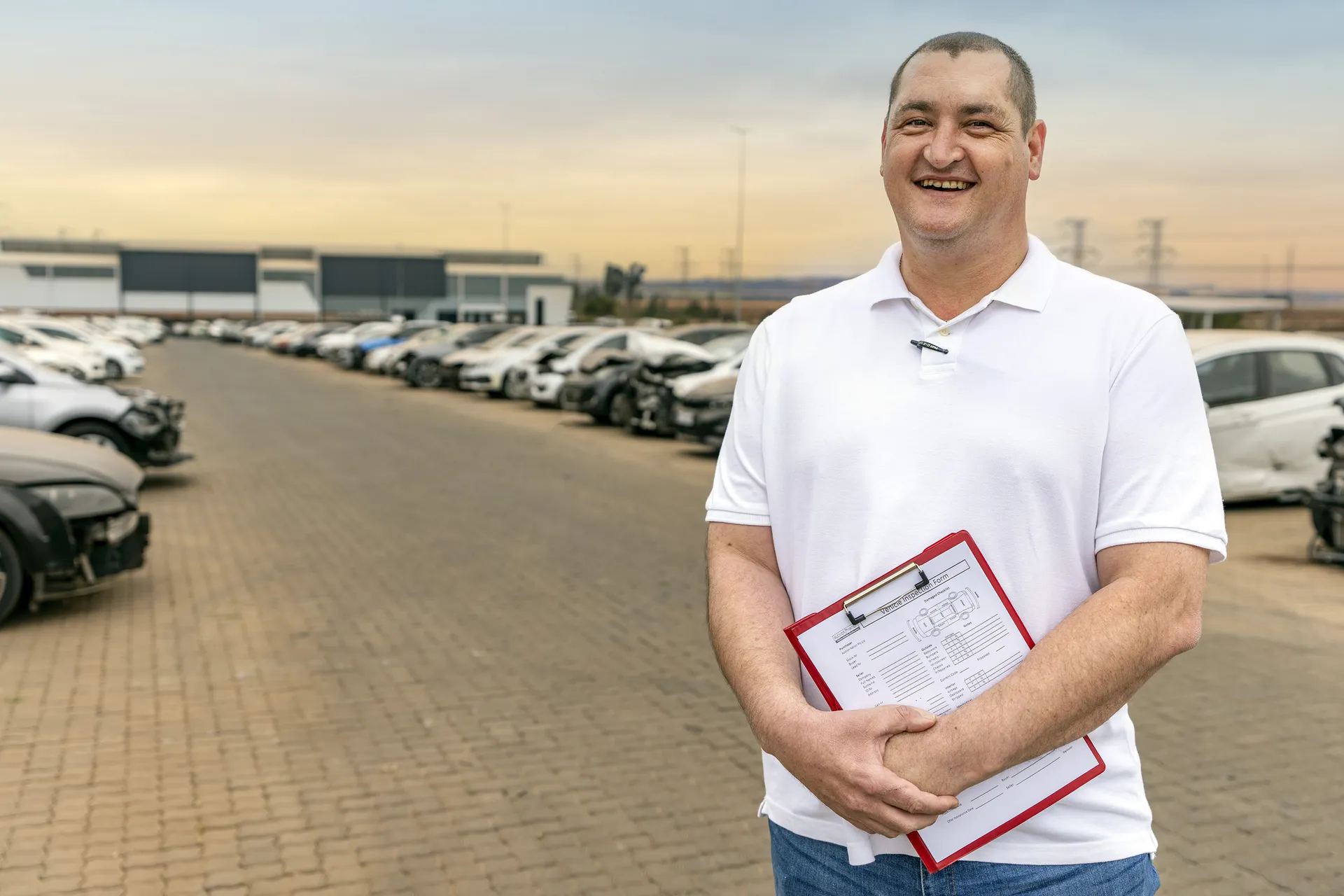
When to Scrap
Scrap if repair costs exceed likely resale value or damage is severe.
When to Sell As-Is
Specialist buyers may offer better net cash and handle towing and paperwork.
Key SA Steps
Check finance, complete transfer/deregistration and compare offers including towing.
Overview: scrapping vs selling your car
Choosing between scrapping or selling your car is a common dilemma for owners of accident-damaged, non-running or heavily repaired vehicles. The right decision depends on repair costs, remaining market value, paperwork and your tolerance for time and risk. This guide explains the factors to weigh, compares typical outcomes, and covers what happens in South Africa from valuation through collection.
When scrapping is the practical option
Scrapping (or selling for parts/salvage) can be appropriate when repair estimates exceed the car’s market value, when structural or flood damage makes repair impractical, or when immediate disposal is needed to avoid storage costs. Scrapping usually means a faster turnaround but a lower net cash return than selling to a private buyer or dealer.
When selling as-is or repairing first makes sense
Selling as-is to a specialist buyer or listing the car privately may yield a higher return than scrapping, especially for in-demand models or where damage is cosmetic. Repairing before sale can increase value but only when repair costs are clearly lower than the uplift in sale price. Consider the time, effort and paperwork involved in each route.
Quick note: If you want a straightforward, no-haggle alternative to scrapping, specialist buyers purchase vehicles in any condition and often include free towing and paperwork handling. Learn more about how that process works on our About / How it works page.
Repair cost vs value retained (example matrix)
| Scenario | Estimated repair cost (R) | Typical value retained after repair | Suggested action |
|---|---|---|---|
| Minor cosmetic damage | R2,000 - R15,000 | High (70-90% of pre-damage value) | Repair then sell if budget allows |
| Moderate mechanical & panel damage | R15,000 - R50,000 | Medium (40-70%) | Compare repair cost vs selling as-is |
| Severe structural or flood damage | R50,000+ | Low (10-40%) | Scrap or sell to specialist buyer |
Damage types vs typical offer impact
| Damage type | Typical offer impact |
|---|---|
| Surface scratches / dents | Minor reduction; higher resale potential |
| Mechanical failure (engine/transmission) | Significant reduction unless repaired |
| Flood or fire damage | Major reduction; often scrapped or sold for parts |
| Written-off / structural damage | Large reduction; specialised buyers or scrap market |
How the process works for selling as-is
If you choose to sell rather than scrap, specialist buyers will typically ask for make, model, year, a damage description and photos. Many South African services provide an online valuation, handle paperwork and arrange free towing. For a quick alternative to scrapping, see the homepage for an overview of services that buy cars in any condition: Sell Your Damaged Car homepage.
Comparing timelines
- Scrapping: often same-day to a few days depending on local scrapyard schedules.
- Selling as-is to a specialist: typically offers returned within hours and collection arranged within days, with free towing commonly available.
- Repair then sell: can take weeks and may incur storage or rental costs in the interim.
Legal & paperwork considerations in South Africa
In South Africa, transferring ownership and deregistration must be handled correctly to avoid liability. Whether scrapping or selling, ensure you have proof of sale, a completed change of ownership form and submit the necessary documents to the licensing authority. Many specialist buyers simplify this by handling deregistration and transfer, which reduces the administrative burden for you.
Vehicles under finance
If the vehicle is financed, you must inform the finance provider. Settlement of the outstanding balance is usually required before ownership can be transferred or the vehicle deregistered. Specialist buyers often coordinate with finance houses to settle balances as part of the sale process; check terms carefully and get written confirmation.
Tips to maximise your offer before selling or scrapping
- Provide clear photos from multiple angles, plus close-ups of damage and the odometer - accurate information leads to better, quicker offers.
- Gather service records and ownership documents to boost buyer confidence.
- Be honest about mechanical or structural issues; hidden problems discovered later can delay settlement.
- Compare offers from several specialist buyers or scrap yards to ensure a fair outcome; look for inclusion of free towing and paperwork handling when comparing net returns.
What happens after collection
After the buyer collects the vehicle, typical next steps are finalising paperwork (transfer or deregistration), settling any outstanding finance, and releasing payment. Reputable buyers will provide a written receipt, complete transfer forms on your behalf or guide you through the steps, and confirm deregistration where applicable. Expect payment timing to be clarified upfront - many specialist services arrange near-instant payment once collection and ID checks are complete.
Practical South Africa scenarios and examples
Example 1: A non-running sedan with engine failure - Repair quotes exceed value, so selling to a specialist buyer with free towing and paperwork handling often gives a faster, less stressful outcome than arranging costly repairs or private sale.
Example 2: A light-damage SUV with full service history - Repairing minor damage may increase private-sale value sufficiently to justify the cost; compare the uplift versus repair spend before committing.
For a focused option when your vehicle won’t run or has accident damage, see our dedicated pages on selling non-running vehicles and selling damaged cars: Sell Non-Running Car and Sell Damaged Cars. These pages explain how specialist buyers value vehicles in any condition and what to expect during collection and payment.
Final checklist before you decide
- Estimate repair cost and compare to expected resale value.
- Confirm whether offers include free towing and paperwork assistance.
- Check finance status and obtain settlement figures if applicable.
- Get at least two offers (scrap and specialist buyer) to compare net outcomes.
Sources
Seasoned automotive specialists dedicated to helping you turn your damaged or non-running vehicle into cash fast and hassle-free.
Disclaimer: This content is for educational purposes only. Product availability, pricing, and specifications are subject to change. Always verify current details on the retailer's website before making a purchase. We may earn affiliate commissions from qualifying purchases.
Why sell your damaged car to us?

A Division of Auction Nation, the leading expert in selling damaged cars

Best price for your damaged car

Get a cash offer within 24h

We buy damaged cars in any condition

We buy accident- damaged cars still under finance

Free, no obligation offer on your vehicle
How We Calculate Your Damaged Car’s Value
Wondering how we calculate your car’s value? At Sell Your Damaged Car, we look at: Your car’s real condition, its salvage value, and the current market demand. It’s all about honesty, transparency, and fairness — that’s how we determine your offer.
Frequently Asked Questions
Get answers to common questions about Comparison And Alternatives
Why Choose Sell Your Damaged Car?
Free Towing
Need a tow? We got you
Hassle Free
Get a cash offer within 24h!
Nationwide
Somewhere remote? No problem!
