
Selling Write-Off Cars for Parts in South Africa - Practical Guide
Learn when to sell a written-off car for parts in South Africa, how offers are calculated, legal papers to check, and tips to improve your cash offer.
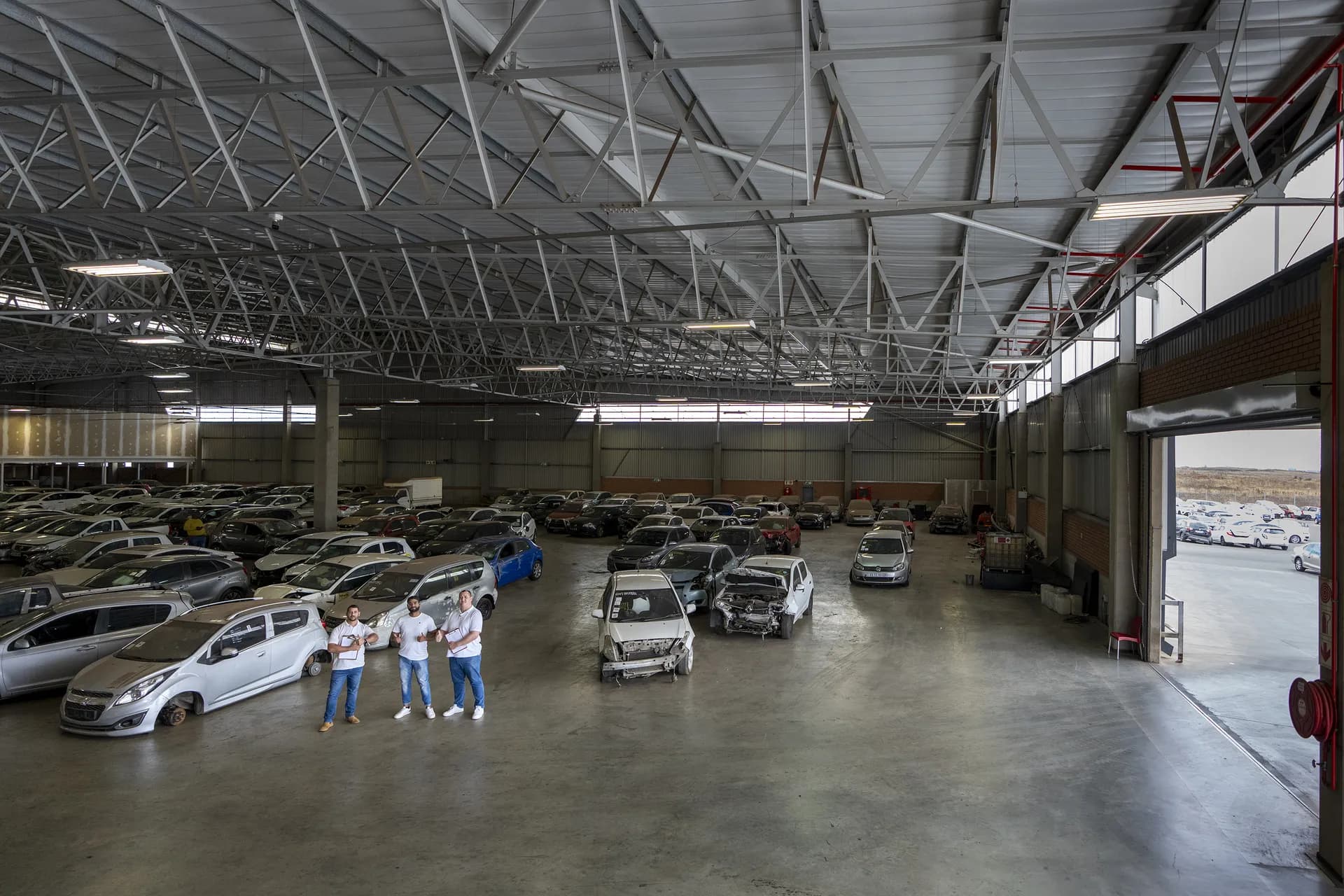
When to Sell for Parts
Choose parts sale when repair costs, safety or non-running status outweigh value.
Paperwork & Legal Points
Confirm ownership, check finance status and arrange deregistration where needed.
Maximise Your Return
Provide clear photos, list working components and compare specialist buyers.
Overview: selling write-off cars for parts in South Africa
Selling a written-off or accident-damaged vehicle for parts is a common, practical option for owners where repair costs exceed realistic market value. This guide explains the factors that affect what you can expect when selling a write-off car for parts in South Africa, legal and administrative considerations, and practical tips to increase your net return. Throughout, examples use R to indicate South African rand and any figures are given as estimates or typical ranges rather than guarantees.
When to sell a write-off car for parts vs attempting repair
Deciding whether to repair or sell a write-off for parts depends on repair cost, residual market demand for components, vehicle age, and your time or cash priorities. Owners often choose to sell for parts when repair estimates approach or exceed a large portion of current market value, when structural damage affects safety, or when the vehicle is non-running and the cost of towing and repair is high.
Repair cost vs value retained (estimates)
| Repair estimate (R) | Typical retained market value after repair (R) | When selling for parts is commonly considered |
|---|---|---|
| R5,000-R15,000 | R10,000-R30,000 | Minor bodywork or mechanical repairs; often repairable if value retained justifies cost |
| R15,000-R40,000 | R8,000-R25,000 | Significant mechanical or panel/structural work; selling for parts often more efficient |
| R40,000+ | Varies widely | Major structural, flood or fire damage; most owners consider dismantling or selling to salvage buyers |
These ranges are illustrative and depend on make, model, age, and demand for parts. For many written-off cars in metros such as Johannesburg, Cape Town and Durban, parts for popular models hold better value than niche or older imports.
Quick note: If you want to understand how a specialist service values damaged vehicles and handles admin, see the company process on the About / How it works page.
Who buys write-off cars for parts?
- Salvage yards and wreckers that dismantle vehicles for core components
- Independent mechanics and panel beaters seeking spares for repairs
- Exporters who source parts for markets with demand
- Online platforms and specialist buyers that arrange nationwide collection
If you prefer a streamlined option that handles collection and paperwork, many owners compare specialist buyers instead of ad-hoc local sales. For examples of selling non-running vehicles through an online process, see the Sell Damaged Cars page.
How the process typically works when selling a write-off for parts
A predictable process helps get your vehicle sold quicker and reduces logistical headaches. Typical steps are: provide basic vehicle details and clear photos, receive an indicative offer, arrange inspection or accept a remote offer, complete paperwork (including proof of ownership), and schedule collection. Many specialist buyers cover towing and handle deregistration paperwork in South Africa, which saves time and reduces risk.
Damage types vs typical offer impact (general guidance)
| Damage type | Typical impact on part-value offers | Notes (SA context) |
|---|---|---|
| Minor body damage | Lower impact - many mechanical parts remain valuable | Popular models in metros usually fetch better parts prices |
| Structural/frame damage | Significant reduction - fewer reusable panels and assemblies | Safety-related components may be unsaleable; focus shifts to engine/transmission if intact |
| Flood or water damage | High impact - electrical and interior parts often compromised | Some mechanical parts may remain valuable after assessment |
| Fire damage | Major reduction - many parts irreparably damaged | Any offer will be based on remaining salvageable metal or reusable mechanicals |
Legal & paperwork in South Africa
Legal requirements vary depending on whether the vehicle is deregistered, under finance, or recorded as a write-off with an insurer. Key considerations include:
- Ownership documents: A clear vehicle registration and an affidavit if original documents are missing.
- Vehicles under finance: You must inform the financier - many buyers will require settlement or written consent before transfer.
- Deregistration and transfer: Some buyers handle deregistration and transfer paperwork on behalf of the seller; verify what is included.
- Written-off status: Inform potential buyers and keep insurer documentation available if applicable.
If you want a practical example of selling a non-running vehicle and how paperwork is handled, see the Sell Non-Running Car information on the site.
Tips to maximise your offer when selling for parts
- Supply clear, well-lit photos of both exterior damage and core mechanicals (engine bay, transmission, underside).
- List working systems separately (aircon, stereo, ABS, ECU status) - functioning electronics add value.
- Remove personal items and secure the interior before collection.
- Be transparent about flood, fire or accident history; full disclosure speeds up offers and reduces disputes.
- Compare a few specialist buyers, and check reviews or references for reliability in Cape Town, Johannesburg and Durban areas.
What happens after collection
After collection, buyers typically dismantle the vehicle at a salvage yard, list reusable parts, and recycle remaining materials. For sellers, confirm that the buyer provides a written receipt, completes any required transfer or deregistration forms, and issues payment as agreed. If a buyer offers towing and admin as part of the sale, verify included services in writing to avoid later disputes.
For more background on the company’s nationwide process and practical steps, review the home page overview: Sell Your Damaged Car - homepage.
Sources
Seasoned automotive specialists dedicated to helping you turn your damaged or non-running vehicle into cash fast and hassle-free.
Disclaimer: This content is for educational purposes only. Product availability, pricing, and specifications are subject to change. Always verify current details on the retailer's website before making a purchase. We may earn affiliate commissions from qualifying purchases.
Why sell your damaged car to us?

A Division of Auction Nation, the leading expert in selling damaged cars

Best price for your damaged car

Get a cash offer within 24h

We buy damaged cars in any condition

We buy accident- damaged cars still under finance

Free, no obligation offer on your vehicle
How We Calculate Your Damaged Car’s Value
Wondering how we calculate your car’s value? At Sell Your Damaged Car, we look at: Your car’s real condition, its salvage value, and the current market demand. It’s all about honesty, transparency, and fairness — that’s how we determine your offer.
Frequently Asked Questions
Get answers to common questions about Selling Guides
Why Choose Sell Your Damaged Car?
Free Towing
Need a tow? We got you
Hassle Free
Get a cash offer within 24h!
Nationwide
Somewhere remote? No problem!
