
How Accident Damage Affects Car Resale in South Africa - A Practical Guide
Learn how accident history changes resale value, repair vs sell calculations, SA-specific paperwork and tips to maximise offers for damaged vehicles.
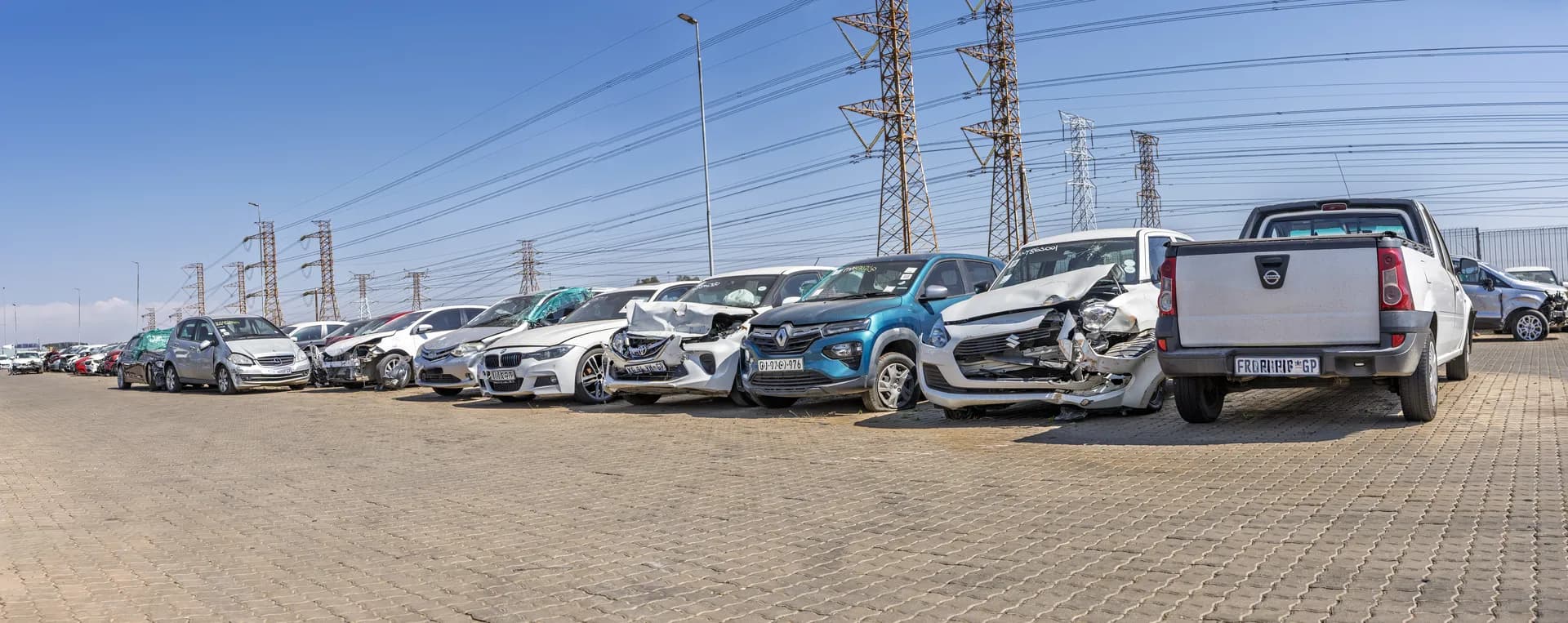
Accident History Lowers Buyer Confidence
Structural damage and poor documentation reduce resale value and narrow buyer options.
Repair vs Sell Decision
Compare repair estimates to market value; high repair costs often favour selling as-is.
Paperwork & Nationwide Support
Clear documentation, finance settlement and free collection simplify selling across SA.
Quick summary
Accident damage changes buyer perception, affects insurance and resale value, and can shift the best route from repairing to selling as-is. This guide explains common impacts in South Africa, with clear examples and practical steps for owners in Johannesburg, Cape Town, Durban and beyond.
Overview: why accident damage matters for resale value
How accident damage affects car resale in South Africa depends on the severity of the damage, whether structural components were involved, the vehicle's make, model and age, and how the history is recorded. A visibly repaired bumper has a different market effect than a vehicle with a written-off structural frame. Buyers and trade purchasers (including salvage yards) look at repair quality, repair documentation and whether the vehicle is recorded as written off on local systems. For many owners the choice becomes: invest in repairs and risk unrecovered costs, or sell the vehicle as damaged to a specialist buyer.
Key factors that influence offers
- Extent of structural or frame damage
- Quality of repairs and available invoices
- Whether the vehicle is running or non-running
- Model desirability and parts demand in South Africa
- Whether the vehicle is under finance or recorded as written off
When to sell vs repair: practical guidance for South African owners
Deciding whether to repair or sell a damaged vehicle depends on repair cost relative to the pre-accident market value, and on how buyers in SA react to accident history. As a rule of thumb, if repair estimates exceed a significant portion of the current market value, selling as-is becomes more practical. Examples below use R (South African rand) and are illustrative ranges only; local quotes will vary.
| Repair cost (estimate) | Likely impact on resale decision | Typical SA scenario (example) |
|---|---|---|
| Under R5,000 | Minor; repair and sell privately for best return | Scratches or small panel dents in an older vehicle |
| R5,000-R25,000 | Depends on vehicle value; consider quotes and buyer perception | Front-end damage needing bumper, lights, and alignment on a 5-10 year-old car |
| Above R25,000 | Often better to sell as damaged; repair may not be recovered in price | Structural/frame repairs, extensive airbag deployment, or engine damage |
Example: a 7-year-old hatchback with a private sale value around R120,000 that needs R40,000 of structural repairs will likely not recoup repair costs at resale; selling to a specialist or salvage buyer can be more time- and cost-effective.
How the resale path changes with accident history
- Private sale after full documented repair - possible but expect discount vs undamaged equivalent.
- Trade-in at a dealer - dealer may offer less because they account for reconditioning and disclosure obligations.
- Sell to specialist buyers for damaged cars - usually faster, less admin and covers non-runners.
How the selling process works for damaged vehicles
Specialist buyers in South Africa buy cars in any condition, often offering a streamlined online process: upload vehicle details and photos, receive an offer, accept and arrange collection. These buyers typically include free towing, handle paperwork and provide quick payment. For an overview of how specialist services operate, see our site overview at Sell Your Damaged Car and the section on how the process works at About / How it works.
Selling damaged vehicles to specialists is often the quickest route if the vehicle is non-running or written off. These buyers price offers based on condition, likely salvage value, parts demand and logistics costs in regions such as Gauteng, Western Cape and KwaZulu-Natal.
Legal & paperwork in South Africa
Accident history and title issues can affect transfer and deregistration. In South Africa, both parties must complete the required transfer forms and notify relevant authorities. If the vehicle is under finance, a clearance from the finance house is required before transfer. When a vehicle is sold as salvage or written off, correct disclosure and documentation avoid future legal complications. Specialist buyers frequently include handling deregistration and paperwork, which simplifies the process for private owners.
Common paperwork steps
- Verify ownership and provide ID and vehicle documentation
- Disclose accident history and provide repair invoices if available
- Arrange settlement if vehicle is under finance (buyer or seller to coordinate)
- Complete transfer/deregistration forms and get proof of handover
Tips to maximise your offer
Even when a vehicle has accident damage, simple steps improve clarity and offers:
- Take clear photos from multiple angles, including under the bonnet and any VIN plates.
- Provide repair invoices and a truthful damage description; transparency builds trust.
- If safe and affordable, fix small cosmetic issues that have low repair cost but high visual impact.
- Gather service history and MOT/roadworthy certificates if available - these improve perceived value.
| Damage type | Typical offer impact | Notes for SA owners |
|---|---|---|
| Minor cosmetic (panels, paint) | Small to moderate reduction | Repairs often justified for high-value cars; older cars better sold as-is |
| Structural/frame damage | Significant reduction or written-off status | Requires clear disclosure; many buyers prefer salvage route |
| Mechanical/engine damage | High impact; often sold for parts or to trade buyers | Non-runners reduce buyer pool; specialist buyers provide collection |
| Flood or fire damage | Very high impact; many buyers avoid | Full disclosure essential; salvage markets and exporters may demand detailed records |
What happens after collection
After you accept an offer and collection is arranged, the buyer usually handles the remaining admin: transfer paperwork, deregistration where applicable, and settlement of any finance with the creditor. Specialist buyers often provide free towing nationwide and release payment soon after collection and verification. This saves time for owners and reduces logistical headaches across major centres like Johannesburg, Cape Town and Durban.
Practical example
A small business fleet owner in Durban with a non-running bakkie chose to sell to a specialist rather than fund a R60,000 engine rebuild on a vehicle with market value of R150,000. The specialist arranged free towing, managed settlement with the finance company and completed transfer documentation - reducing administrative burden and ensuring quick receipt of funds. Specialist routes are particularly useful for fleet owners and private sellers who prioritise speed and reduced admin.
If you want to see how a streamlined selling process works for non-running vehicles, the Sell Non-Running Car page explains steps and inclusions: Sell Non-Running Car. For details about selling vehicles with visible accident damage, see Sell Damaged Cars.
Sources
Seasoned automotive specialists dedicated to helping you turn your damaged or non-running vehicle into cash fast and hassle-free.
Disclaimer: This content is for educational purposes only. Product availability, pricing, and specifications are subject to change. Always verify current details on the retailer's website before making a purchase. We may earn affiliate commissions from qualifying purchases.
Why sell your damaged car to us?

A Division of Auction Nation, the leading expert in selling damaged cars

Best price for your damaged car

Get a cash offer within 24h

We buy damaged cars in any condition

We buy accident- damaged cars still under finance

Free, no obligation offer on your vehicle
How We Calculate Your Damaged Car’s Value
Wondering how we calculate your car’s value? At Sell Your Damaged Car, we look at: Your car’s real condition, its salvage value, and the current market demand. It’s all about honesty, transparency, and fairness — that’s how we determine your offer.
Frequently Asked Questions
Get answers to common questions about Selling Guides
Why Choose Sell Your Damaged Car?
Free Towing
Need a tow? We got you
Hassle Free
Get a cash offer within 24h!
Nationwide
Somewhere remote? No problem!
