
Ways to Prevent Car Fraud in South Africa: Protect Yourself When Selling or Buying
Protect yourself from car fraud in South Africa with these proven tips. Learn to verify buyers, handle legal paperwork, and spot scams before they cost you.
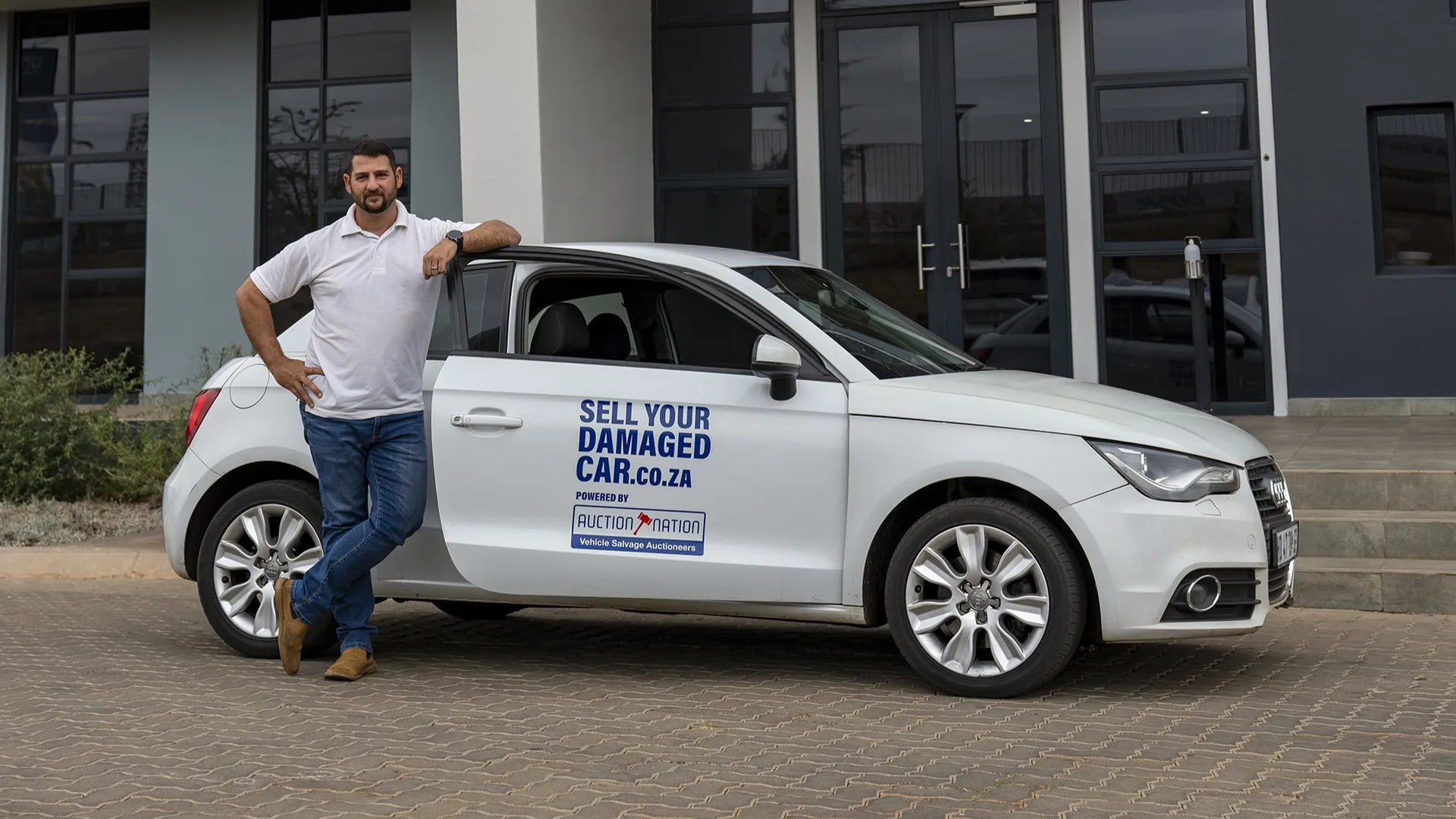
Overview: Understanding Car Fraud in South Africa
Car fraud is a growing concern for South African vehicle owners, especially when selling or buying used or damaged cars. From forged paperwork and cloned VINs to counterfeit payments, scammers target both private sellers and buyers. Knowing what to look for and how to take action is key to protecting yourself and your vehicle investments throughout the transaction process.
Common Types of Car Fraud in South Africa
- Stolen vehicle resale (using false registration documents)
- Odometer tampering (mileage rollback)
- Pretend buyers using fake proof of payment or cheques
- Duplicate or cloned VIN/engine numbers
- "Title washing" - clearing status of written-off/salvage vehicles unlawfully
- Export scams - promising high prices, then disappearing with both car and paperwork
Quick Reference Table: Signs of Potential Car Fraud
| Red Flag | Explanation |
|---|---|
| Unusually high offer | Scammers may offer above market to entice a quick response. |
| Rushed transaction or reluctance to meet in person | Avoids physical meetings to remain anonymous or forge fake payments. |
| Unverifiable buyer details | No ID, proof of address, or vague cellular contacts only. |
| Fake or altered documents | Signs of tampering on log book, Natis, or licence disc. |
| Proof of payment not reflected in your bank | Always check for cleared funds before handing over keys or paperwork. |
When Selling Your Damaged or Non-Running Car: Key Risks
Selling a damaged vehicle in South Africa-especially in Johannesburg, Cape Town, or Durban-can attract scammers promising an easy sale or urgent cash. Vehicles with accident damage, salvage status, or mechanical faults are particularly vulnerable to fraudulent buying tactics. Protect yourself with identity checks and legal documentation at every stage.
How to Prevent Falling Victim to Car Fraud
- Insist on meeting at a police station or reputable dealer for handovers and inspections.
- Verify the buyer's full identity (original ID, utility bill) and ensure contact details are genuine.
- Only accept electronic bank payments-wait for funds to clear before releasing your car or registration documents.
- Check the vehicle's VIN and engine number with eNatis or a reliable vehicle report service for signs of tampering or cloning.
- Refuse partial, post-dated, or cheque payments-these can bounce or be reversed after transfer.
- If the car is under finance, settle the loan in person with the bank and confirm release of ownership.
- Use official templates for sale agreements, recording both parties' details clearly.
- Let trusted friends/family know the details of your sale or purchase meetings.
Seller and Buyer Responsibilities: Legal & Paperwork Essentials
| Step | Seller Responsibility | Buyer Responsibility |
|---|---|---|
| Deregister Vehicle (NCO) | Complete NCO with buyer details at local licensing dept. | Register in buyer name within 21 days. |
| Proof of Payment | Confirm reflect in your bank account before release. | Retain proof for title transfer. |
| Sale Agreement | Draft & sign detailing car and both parties. | Verify vehicle details match documents. |
Top Tips to Stay Fraud-Free
- Do background research on any buyer or seller-look for past online scams or complaints.
- Don't be rushed-scammers thrive on urgency and pressure tactics.
- Always trust your instincts; if a deal feels suspicious, walk away.
What To Do If You Suspect Car Fraud
If you believe you've been targeted or have fallen victim to car fraud:
- Report immediately to your local SAPS branch and provide all communication and documentation.
- Contact the South African Fraud Prevention Service (SAFPS) for guidance.
- Notify your bank if you suspect false proofs of payment or reversed transactions.
Sources
Seasoned automotive specialists dedicated to helping you turn your damaged or non-running vehicle into cash fast and hassle-free.
Disclaimer: This content is for educational purposes only. Product availability, pricing, and specifications are subject to change. Always verify current details on the retailer's website before making a purchase. We may earn affiliate commissions from qualifying purchases.
Why sell your damaged car to us?

A Division of Auction Nation, the leading expert in selling damaged cars

Best price for your damaged car

Get a cash offer within 24h

We buy damaged cars in any condition

We buy accident- damaged cars still under finance

Free, no obligation offer on your vehicle
How We Calculate Your Damaged Car’s Value
Wondering how we calculate your car’s value? At Sell Your Damaged Car, we look at: Your car’s real condition, its salvage value, and the current market demand. It’s all about honesty, transparency, and fairness — that’s how we determine your offer.
Frequently Asked Questions
Get answers to common questions about Tips And Advice
Why Choose Sell Your Damaged Car?
Free Towing
Need a tow? We got you
Hassle Free
Get a cash offer within 24h!
Nationwide
Somewhere remote? No problem!
