
Safe Practices for Car Sellers in South Africa: Essential Steps for a Secure Sale
Learn essential safe practices for car sellers in South Africa. Avoid scams, manage paperwork, and sell your accident-damaged or non-running vehicle with confidence.
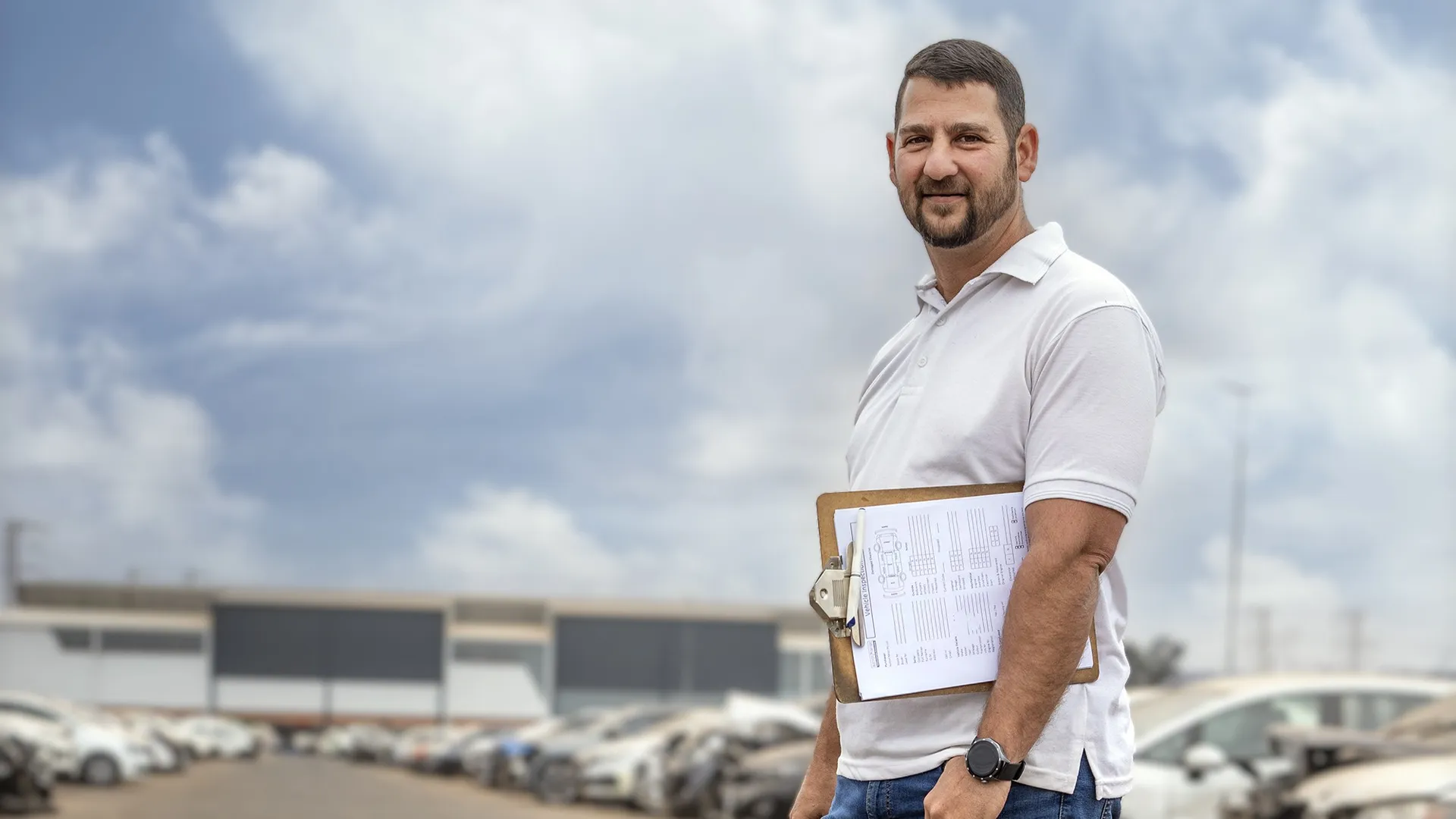
Why Safety Matters When Selling Your Car in South Africa
Whether your vehicle has accident damage, severe mechanical faults, or has been written off, selling can expose you to risk if you're not careful. Scams, improper paperwork, and unsafe in-person transactions pose real threats for South African vehicle owners. This guide covers the most effective safe practices for car sellers in South Africa, so you can turn your unwanted vehicle into cash with confidence, whether you're a private individual or managing a small business fleet.
Common Risks for Local Sellers
- Fake buyers and phishing attempts
- Deceptive payments, e.g., fraudulent proof of payment (POP)
- Incomplete paperwork leading to possible legal or liability issues
- Physical security threats during viewing or collection
Must-Do Safety Precautions Before You Sell
- Screen buyers-avoid sharing your full address or location until you have confirmed their legitimacy.
- Always meet in a safe, public area or at your bank-never meet in remote or unsafe locations.
- Insist on valid identification from the buyer or their agents.
- Use secure, verifiable payment methods. Wait for funds to reflect before releasing your vehicle and papers.
- Prepare your paperwork in advance: proof of ownership, a signed sales agreement, and notification of sale for deregistration.
- If your car is still under finance, get written permission from your finance provider before agreeing to a sale.
Table: Safe vs. Risky Selling Practices
| Practice | Safe Approach | Risky Alternative |
|---|---|---|
| Viewing & Collection | Arrange in daylight at a public site | Meet alone, after hours at your home |
| Payment Method | Immediate transfer, verify before handover | Accepting cheques or delayed "proof" |
| Paperwork Handling | Use correct forms, notify authorities | Omitting Notification of Change of Ownership |
Choosing a trusted service like Sell Your Damaged Car eliminates much of this risk. We offer secure payment, help with deregistration, and arrange safe, nationwide vehicle collection across Johannesburg, Cape Town, Durban, and surrounding areas.
Paperwork and Legal Obligations When Selling in SA
Proper documentation isn't just a formality-it protects you from future liability and ensures the sale is legally recognised. In South Africa, it's particularly important for sellers of damaged and non-running cars to:
- Complete and submit the "Notification of Change of Ownership/Sale of Motor Vehicle" (NCO) form to the licensing authority within 21 days of sale.
- Provide the buyer with the original registration certificate and a signed sales agreement.
- Remove your e-toll tag and cancel any SMS or online notifications to prevent unwarranted debits.
- Deregister the vehicle if it is written-off, permanently unfit, or to be sold as salvage.
- Consult your insurer and, for financed vehicles, inform your bank and ensure any outstanding finance is settled before finalising the transaction.
Quick Checklist: Avoiding Common Scams
- Do not accept overpayments or requests to pay for towing costs up-front.
- Be wary of buyers rushing the process or avoiding paperwork.
- Never release the vehicle without verified, cleared payment in your account.
- Keep copies of all documentation related to the sale for your records.
Maximising Safety and Simplicity with Trusted Services
Professional car-buying services like Sell Your Damaged Car are designed to minimise hassle and fraud risk. Here's how:
- All offers are transparent and based on visible vehicle condition and market data.
- Free nationwide towing means you never cover logistical costs-removing a frequent scam vector.
- Payment is released and verified before your car leaves your premises.
- Comprehensive admin support, including deregistration and guidance for vehicles under finance, ensures a seamless handover.
Summary Table: How to Stay Safe
| Safety Step | Why It Matters |
|---|---|
| Verify Payment | Prevents fraudulent transactions or chargebacks |
| Use Correct Paperwork | Ends your legal responsibility for the vehicle |
| Arrange Safe Collection | Protects your physical safety and property |
| Consult Professional Buyers | Simplifies the process and reduces risk |
What to Do After the Sale
- Confirm that the vehicle is deregistered in your name. Request a deregistration confirmation from the licensing authority.
- Monitor your bank account to ensure the funds are secure and cleared.
- Notify your insurer that you have sold or disposed of the vehicle.
Sources
Seasoned automotive specialists dedicated to helping you turn your damaged or non-running vehicle into cash fast and hassle-free.
Disclaimer: This content is for educational purposes only. Product availability, pricing, and specifications are subject to change. Always verify current details on the retailer's website before making a purchase. We may earn affiliate commissions from qualifying purchases.
Why sell your damaged car to us?

A Division of Auction Nation, the leading expert in selling damaged cars

Best price for your damaged car

Get a cash offer within 24h

We buy damaged cars in any condition

We buy accident- damaged cars still under finance

Free, no obligation offer on your vehicle
How We Calculate Your Damaged Car’s Value
Wondering how we calculate your car’s value? At Sell Your Damaged Car, we look at: Your car’s real condition, its salvage value, and the current market demand. It’s all about honesty, transparency, and fairness — that’s how we determine your offer.
Frequently Asked Questions
Get answers to common questions about Tips And Advice
Why Choose Sell Your Damaged Car?
Free Towing
Need a tow? We got you
Hassle Free
Get a cash offer within 24h!
Nationwide
Somewhere remote? No problem!
