
Detecting Fraudulent Car Buyers in South Africa: How to Protect Yourself When Selling a Damaged Car
Learn expert strategies to spot and avoid fraudulent car buyers across South Africa. Protect your sale, verify payment, complete legal paperwork and stay secure.
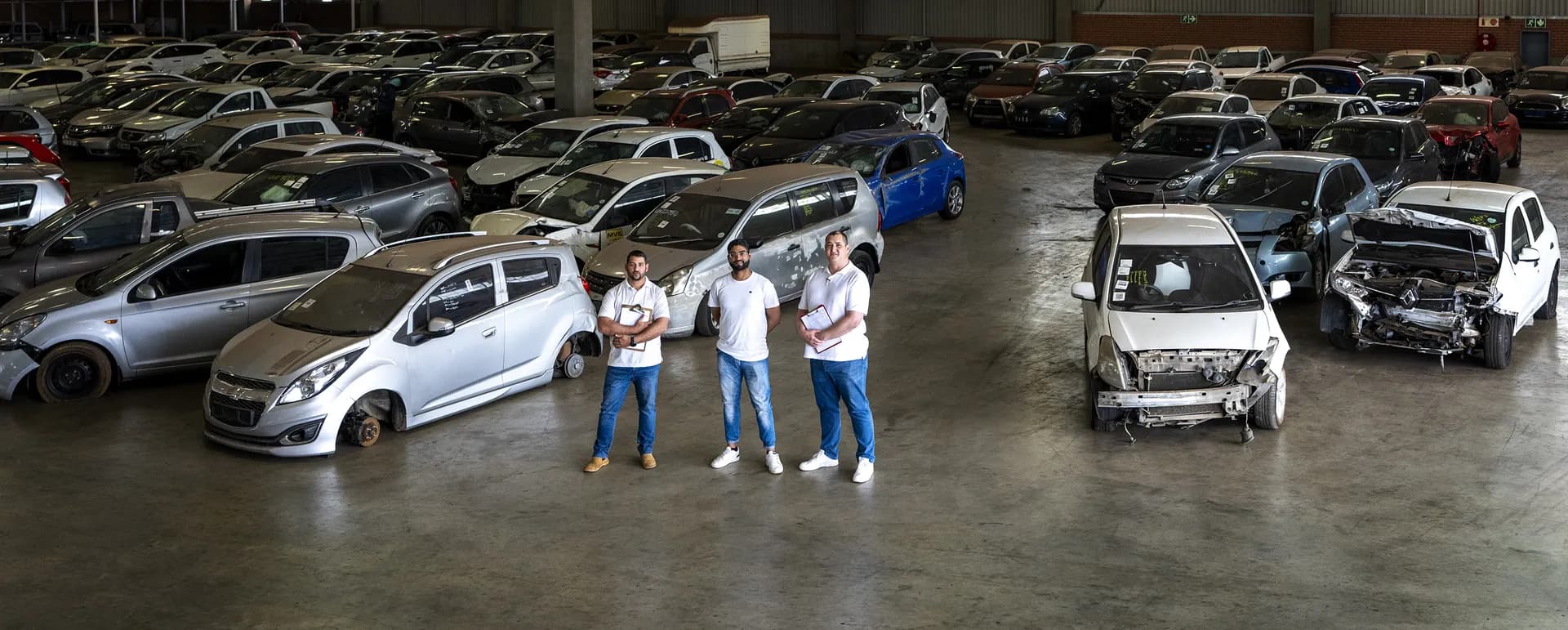
Understanding Fraud Risks When Selling a Damaged Car
The South African used car market provides many opportunities to privately sell damaged, accident-written-off, or non-running vehicles. However, sellers in Johannesburg, Cape Town, Durban, and smaller towns may encounter fraudulent buyers hoping to exploit vulnerable owners. Whether you're a private seller or managing a business fleet, awareness is key to a low-risk transaction.
Common Types of Car Buyer Fraud
- Offering to "overpay" and demanding your bank details upfront.
- Insisting on cash deals but sending fake proof of payment.
- Arriving with suspicious tow operators who try to remove the car before payment is verified.
- Using fake identities or fraudulent documentation.
- Claiming urgent need but pressuring for a rushed sale without proper paperwork.
When to Sell vs Repair: Minimizing Risk
Repairs after an accident or major mechanical fault can be costly and time-consuming. Some sellers are tempted by private buyers offering quick cash, but hasty decisions increase the risk of fraud, especially with high-value or written-off vehicles.
| Scenario | Fraud Risk Level | Recommended Caution |
|---|---|---|
| Selling to unknown private buyer | High | Insist on verified ID, safe payment, check buyer history |
| Repairing through recognised panel-beater | Low | Ensure clear repair quotes and contracts |
| Using a specialist car-buying service | Low | Check trade registration, reviews, transparent process |
If repair costs exceed the value retained, or you are uncomfortable with risk, consider a reputable service like Sell Your Damaged Car that guarantees paperwork and payment verification.
How Scammers Target Sellers of Damaged Cars
- Pretending to be legitimate "car dealers" without proof of address or business registration.
- Creating urgency for same-day collection to bypass formal checks.
- Bringing incomplete, photocopied, or altered transfer documents.
- Offering fake bank deposit slips or reversal-proof EFTs.
Protecting Yourself: Best Practices for Safe Car Sales
Adopting a cautious approach can help South African sellers protecting yourself avoid fraudulent buyers and unnecessary legal headaches. Follow these steps:
- Verify all buyer details, including valid South African ID and address. Cross-reference business registration for companies.
- Never allow vehicle collection or transfer of papers before payment appears and is cleared in your bank account (check with your bank if unsure).
- Insist on written agreements outlining sale as-is/voetstoots, even for salvage vehicles or parts.
- Use official eNaTIS forms for change of ownership and deregistration (View official documentation).
- Refuse to share copies of your ID or proof of residence until buyer identity is proven.
Paperwork and Payment in South African Law
Legal compliance is especially important with damaged cars. Always:
- Complete and submit the yellow Notification of Change of Ownership (NCO) form within 21 days to avoid future liability or fines.
- Deregister written-off or non-running vehicles to avoid ongoing licence fees and municipal penalties.
- Confirm the buyer's payment method is recognised by your bank-South African interbank transfers are preferable to cash or private cheques for security.
Tips to Maximise Offer While Reducing Fraud Risk
| Tip | Benefit |
|---|---|
| Provide clear, detailed vehicle photos | Increases trust, reduces disputes on condition |
| Gather and keep all service and repair records | Attracts legitimate buyers, smooths negotiation |
| Use a trusted car-buying platform | Minimises fraud risk, paperwork managed professionally |
What Happens After Collection: Avoiding Future Liability
Once you've received confirmed payment and submitted all paperwork, your responsibility for the vehicle typically ends. Many issues arise when sellers fail to properly notify the licensing department or the buyer doesn't register the car, leading to fines or legal notices. Using a car-buying specialist should include deregistration as standard, offering additional protection.
Conclusion: Stay Safe, Sell Smart
Fraudulent car buyers remain a real risk for South African sellers, particularly those disposing of damaged or non-running cars. By checking identification, insisting on cleared payments, following legal paperwork protocols, and considering reputable buying services, you can protect yourself and enjoy a hassle-free sale. For more detail, read our guides on Selling a Non-Running Car and how our process keeps sellers secure.
Sources
Seasoned automotive specialists dedicated to helping you turn your damaged or non-running vehicle into cash fast and hassle-free.
Disclaimer: This content is for educational purposes only. Product availability, pricing, and specifications are subject to change. Always verify current details on the retailer's website before making a purchase. We may earn affiliate commissions from qualifying purchases.
Why sell your damaged car to us?

A Division of Auction Nation, the leading expert in selling damaged cars

Best price for your damaged car

Get a cash offer within 24h

We buy damaged cars in any condition

We buy accident- damaged cars still under finance

Free, no obligation offer on your vehicle
How We Calculate Your Damaged Car’s Value
Wondering how we calculate your car’s value? At Sell Your Damaged Car, we look at: Your car’s real condition, its salvage value, and the current market demand. It’s all about honesty, transparency, and fairness — that’s how we determine your offer.
Frequently Asked Questions
Get answers to common questions about Tips And Advice
Why Choose Sell Your Damaged Car?
Free Towing
Need a tow? We got you
Hassle Free
Get a cash offer within 24h!
Nationwide
Somewhere remote? No problem!
