
Legitimate Car Sale Practices in South Africa: A Guide to Safe and Legal Transactions
Learn how to legally and safely sell your car in South Africa. Step-by-step guide for paperwork, deregistration, and avoiding common vehicle sale scams.
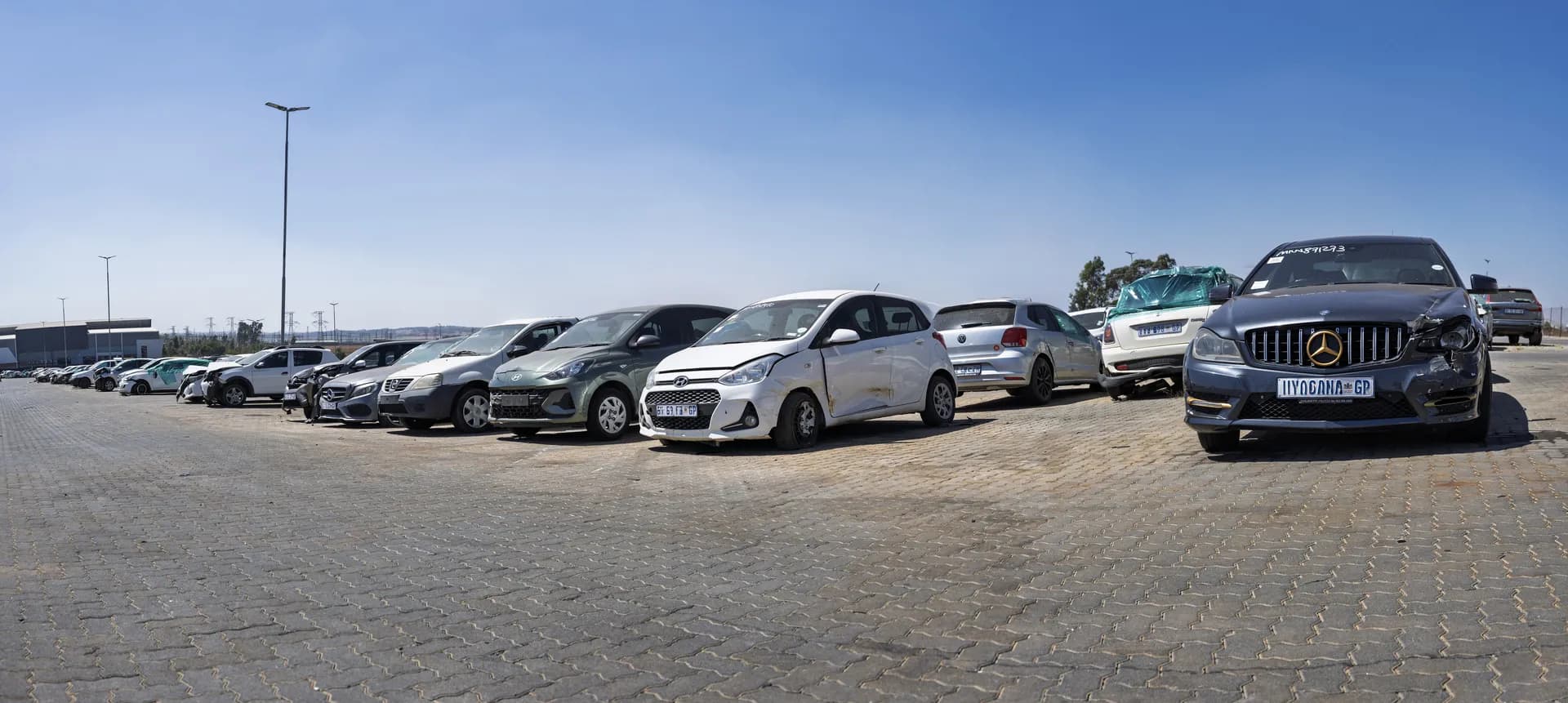
Understanding Legitimate Car Sale Practices
Selling a vehicle in South Africa-whether it's running, damaged, or written off-requires following clear legal procedures to protect yourself from fraud and ensure a valid transfer of ownership. South Africa's regulations are designed to combat vehicle-related scams, safeguard the buyer and seller, and ensure compliance with the National Road Traffic Act. Whether you're a private seller in Johannesburg, a business handling a fleet, or someone looking to sell a non-running car, observing legitimate sale practices is essential for peace of mind and legal certainty.
Why These Practices Matter
Fraud, identity theft, unpaid fines, and incorrect deregistration are real risks if car sale procedures aren't properly followed. With the rise of online selling and salvage transactions in South Africa, it's crucial to understand and apply best practices from start to finish.
The Legal Sale Process in South Africa
The process differs slightly depending on whether the vehicle is roadworthy, non-running, or damaged, but several fundamental steps remain the same for a legitimate transaction:
- Complete a valid Offer to Purchase or Sale Agreement with buyer and seller details.
- Confirm the buyer's and seller's identification using official documents (SA ID or passport).
- Submit the Notification of Change of Ownership (NCO) form to your local licensing department within 21 days of sale.
- Provide the buyer with a copy of the vehicle registration certificate (NATIS) and, if required, a roadworthy certificate, unless declared salvaged/non-running.
- If selling to a business (e.g., Sell Your Damaged Car), request a purchase confirmation and written receipt for your records.
| Step | Why It Matters |
|---|---|
| NCO Submission | Forms the official proof of sale and removes your liability for future fines or offences. |
| Verification of IDs | Prevents fraud and ensures the correct person/entity registers ownership. |
| Odometer & Condition Disclosure | Honesty protects against buyer disputes and future legal claims. |
Paperwork and Deregistration for Damaged or Non-Running Vehicles
If selling a damaged car, notify the authorities that the vehicle is no longer valid for regular road use, especially if it's been written off or is not roadworthy. In South Africa, this involves:
- Completing Form ADV (Notification of Change in Status) for deregistration, citing reasons such as "Sold for scrap" or "Damaged beyond repair".
- Surrendering licence disc and, if applicable, number plates (especially in Cape Town, Durban, and Johannesburg where stricter checks may apply).
- Ensuring outstanding e-tolls, administration fees, or fines are paid prior to transfer.
Preventing Car Sale Scams in South Africa
Stay vigilant by following these trusted practices:
- Never accept payment in cash unless verified in a secure setting. EFT is traceable and safer.
- Meet in public places or at the buyer's registered premises for vehicle inspection and handover.
- Retain proof of all communications-emails, SMSs, signed receipts-until transfer is confirmed.
- Avoid sharing originals of the registration certificate until payment is fully cleared and verified.
What Happens After the Sale?
Once you complete the paperwork and receive cleared payment, deregister your vehicle with the licensing authority. For businesses like Sell Your Damaged Car, they handle most of these steps for you, including collection, paperwork, and payment confirmation, ensuring your name is removed from the vehicle record efficiently.
Summary Table: Pitfalls to Avoid
| Common Issue | Prevention Step |
|---|---|
| Uncleared Payment | Only release the vehicle once payment is confirmed in your account |
| Incomplete NCO/Deregistration | File relevant forms at the licensing office immediately |
| Buyer Does Not Register | Keep signed, date-stamped proof of sale and submission receipts |
Sources
Seasoned automotive specialists dedicated to helping you turn your damaged or non-running vehicle into cash fast and hassle-free.
Disclaimer: This content is for educational purposes only. Product availability, pricing, and specifications are subject to change. Always verify current details on the retailer's website before making a purchase. We may earn affiliate commissions from qualifying purchases.
Why sell your damaged car to us?

A Division of Auction Nation, the leading expert in selling damaged cars

Best price for your damaged car

Get a cash offer within 24h

We buy damaged cars in any condition

We buy accident- damaged cars still under finance

Free, no obligation offer on your vehicle
How We Calculate Your Damaged Car’s Value
Wondering how we calculate your car’s value? At Sell Your Damaged Car, we look at: Your car’s real condition, its salvage value, and the current market demand. It’s all about honesty, transparency, and fairness — that’s how we determine your offer.
Frequently Asked Questions
Get answers to common questions about Legal And Paperwork
Why Choose Sell Your Damaged Car?
Free Towing
Need a tow? We got you
Hassle Free
Get a cash offer within 24h!
Nationwide
Somewhere remote? No problem!
