
Red Flags in Car Sales South Africa: How to Avoid Scams and Costly Pitfalls
Learn about red flags in car sales in South Africa, common scams, and best practices for safe car transactions-especially for damaged or salvage vehicles.
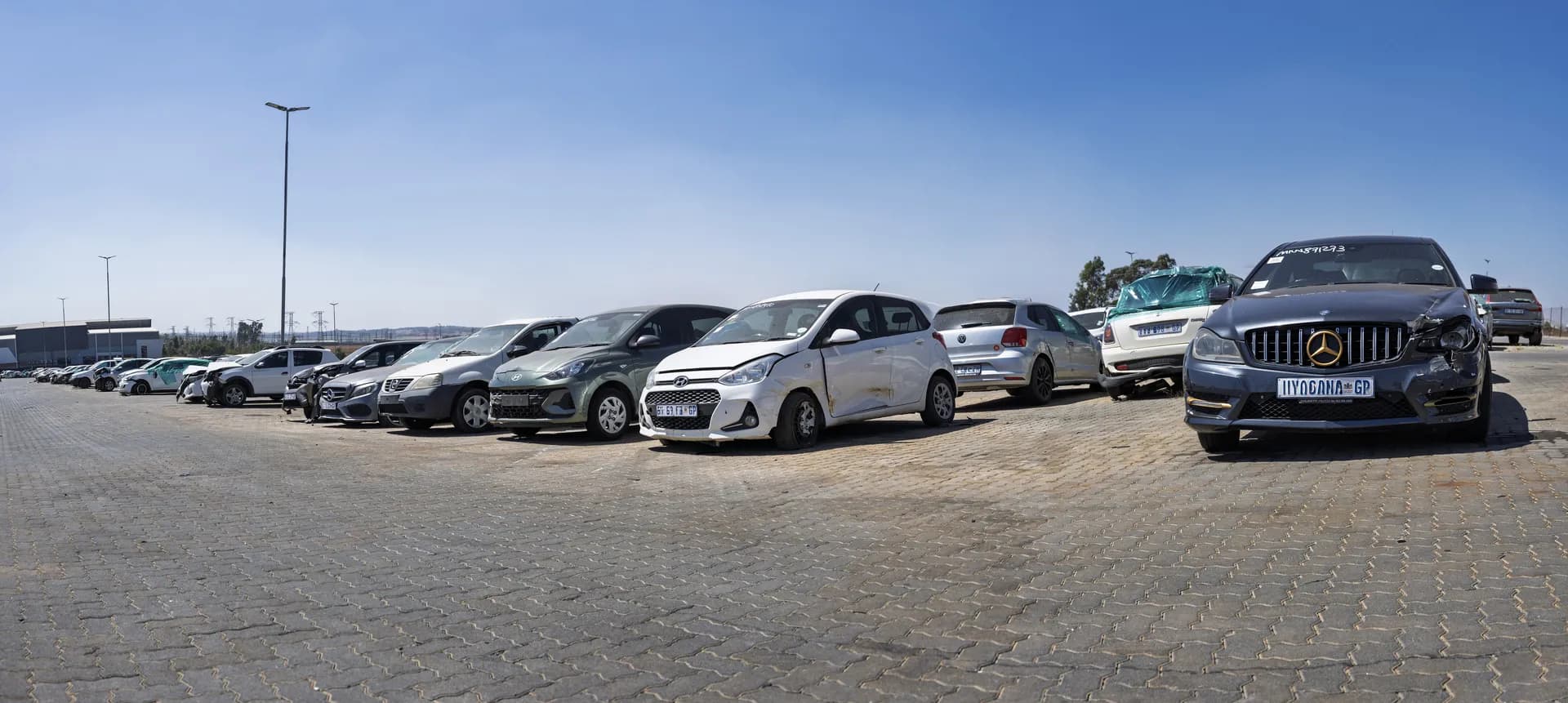
Overview: Understanding Red Flags in the South African Car Market
Whether you're selling a damaged vehicle or buying used, South Africa's car market can be tricky to navigate. Scams, fraudulent buyers or sellers, and complex paperwork processes mean it's crucial to recognise red flags before finalising a deal. With car values high and demand strong-even for non-running or accident-damaged vehicles-criminal activity and risky shortcuts are all too common. Knowing what to look out for protects your wallet and ensures you don't land up with a legal or financial headache.
Red Flags When Selling or Buying a Car
- Fake payments or proof of payment (POP) emails
- Buyers refusing to inspect the vehicle or meet in person
- Sellers reluctant to supply original documents (logbook, ID, service history)
- Pushy behaviour, pressure to rush the transaction or quick deposits
- Requests to meet in isolated or unsafe areas
- Unrealistically low or high offers that don't match market value
- Unverified towing companies or collections by unknown third parties
- Reluctance to sign official ownership transfer forms (NATIS/VRC)
Table: Common Scams vs. Trusted Practices
| Red Flag | What To Watch For | Safe Alternative |
|---|---|---|
| Fake Proof of Payment | Email/SMS confirmation but no funds in account | Wait for verified clearance before handover |
| Missing Vehicle Documents | Sudden loss of logbook or no ID presented | Insist on originals and check with eNatis |
| Rushed Collection by Unknown Parties | Collected by 3rd party with no paperwork | Confirm collection identity and paperwork details |
| Too-Good-to-be-True Offer | Offer exceeds average market value by a lot | Check offer with valuation tools or trusted dealers |
What Makes South Africa Unique for Car Sale Risks?
South Africa's complex national registration system, prevalence of online sales, and high demand for salvage vehicles mean buyers and sellers need to be extra vigilant. Certain scams and fraud types are especially common in major metros like Johannesburg, Cape Town, and Durban. It's vital to follow trusted protocols and use only approved transfer and payment channels when selling your damaged car-or any vehicle.
Paperwork & Verification: Don't Skip These Steps
- Always complete the NCO (Notification of Change of Ownership) form and submit to your local licensing department.
- Keep copies of all documents: ID, proof of residence, logbook (registration certificate), and signed sale agreement.
- Only hand over the car once the payment is reflected in your bank account and the paperwork is correct.
- For vehicles still under finance, check with your bank regarding the proper settlement and deregistration process.
Typical Warning Signs: Buyer & Seller Edition
| Situation | Potential Consequence |
|---|---|
| Seller offers to "skip" paperwork | Future fines, liability, or vehicle not legally transferred |
| Cash-only deal outside office hours | Counterfeit notes; no recourse after payment |
| Remote buyer refuses video call/physical inspection | Increased risk of fraud or non-payment |
| Incorrect or incomplete VIN/engine numbers | Risk of buying/selling a cloned or stolen vehicle |
Top Tips to Stay Safe in Car Sales
- Meet at a well-lit, secure location (preferably at a dealership or licensing office).
- Never accept emailed "POP" as proof; confirm funds are cleared in your account first.
- Use traceable payment methods and insist on transparency in all correspondence.
- If in doubt, bring a trusted third party or professional for assistance.
- Look for services with positive local reviews and verified business registration.
South African Context: Red Flags for Damaged & Salvage Vehicles
- Beware "quick cash" roadside buyers with no paperwork or traceability.
- Unlicensed salvage yards rarely follow proper deregistration protocols-future fines or liability may remain in your name.
- Professional buyers like Sell Your Damaged Car always provide documented quotes, arrange free towing, and confirm identity at every step.
What Happens After a Safe Car Sale?
Once the car is transferred legally, you'll receive written proof of sale and peace of mind that all liabilities move to the new owner. Selling to a reputable service ensures paperwork (including deregistration, notification of sale, and finance clearance if needed) is handled according to South African law. Always verify the transaction status with your local licensing department within a week of handover.
Sources
Seasoned automotive specialists dedicated to helping you turn your damaged or non-running vehicle into cash fast and hassle-free.
Disclaimer: This content is for educational purposes only. Product availability, pricing, and specifications are subject to change. Always verify current details on the retailer's website before making a purchase. We may earn affiliate commissions from qualifying purchases.
Why sell your damaged car to us?

A Division of Auction Nation, the leading expert in selling damaged cars

Best price for your damaged car

Get a cash offer within 24h

We buy damaged cars in any condition

We buy accident- damaged cars still under finance

Free, no obligation offer on your vehicle
How We Calculate Your Damaged Car’s Value
Wondering how we calculate your car’s value? At Sell Your Damaged Car, we look at: Your car’s real condition, its salvage value, and the current market demand. It’s all about honesty, transparency, and fairness — that’s how we determine your offer.
Frequently Asked Questions
Get answers to common questions about Tips And Advice
Why Choose Sell Your Damaged Car?
Free Towing
Need a tow? We got you
Hassle Free
Get a cash offer within 24h!
Nationwide
Somewhere remote? No problem!
