
How to Avoid Car Scams in South Africa: Buyer & Seller Safety Guide
Discover practical steps and SA-specific checklists to avoid car scams. Learn how sellers and buyers can stay secure, prevent fraud, and complete safer transactions.
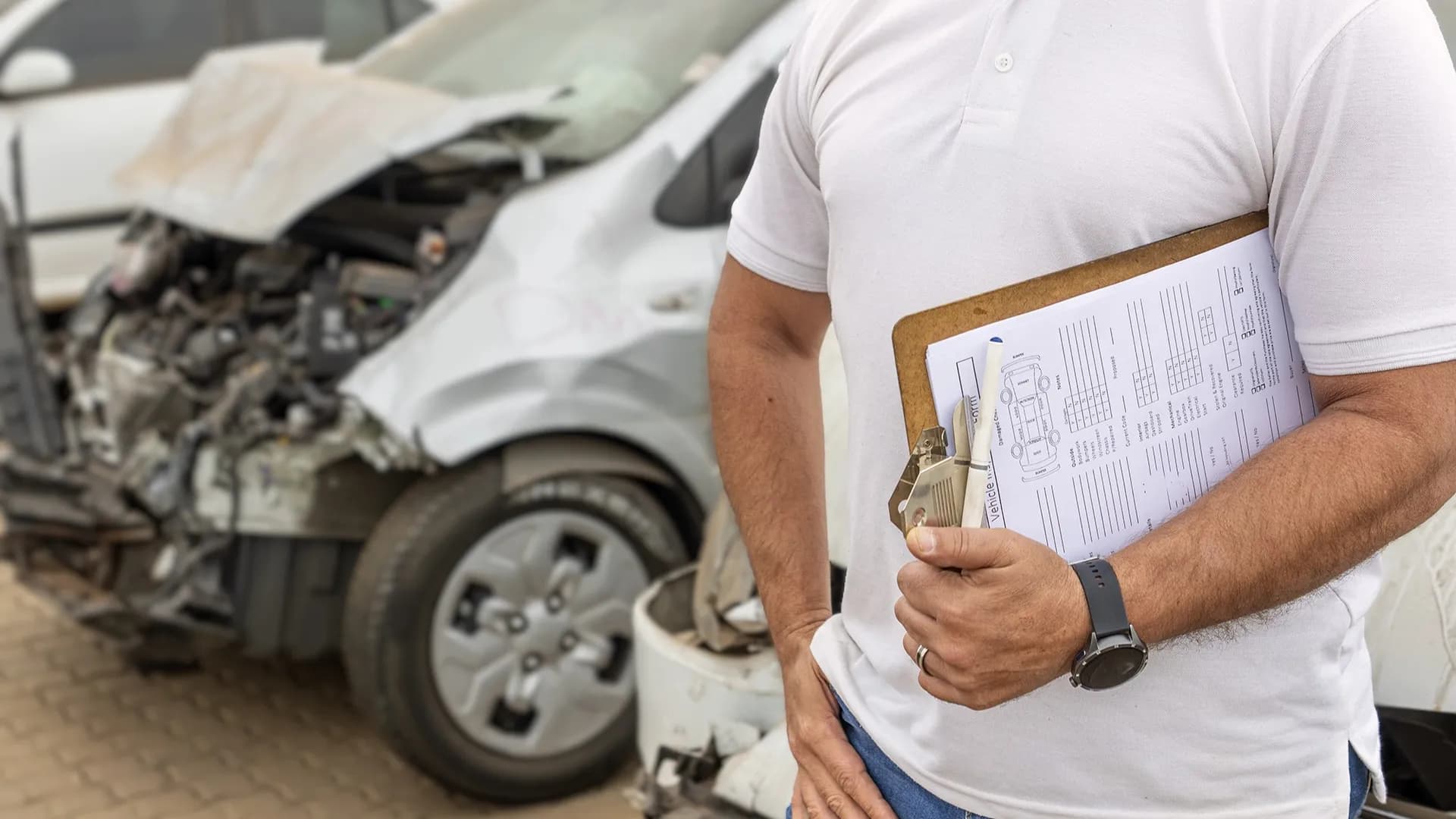
Overview: Car Scams are on the Rise in SA
With rapid growth in South Africa's used vehicle and salvage market, online car scams have become increasingly sophisticated. Both sellers and buyers-especially those dealing with damaged, non-running, or written-off cars-face potential risks, from fraudulent payments to fake buyers and deceptive dealers. It's essential to protect yourself with up-to-date knowledge and safe practices whenever you transact.
Common Car Scam Types in South Africa
- Fake proof of payment (fraudulent EFT notifications)
- Phishing calls or emails requesting personal and banking details
- Buyers using stolen or fake identity documents
- "Overpayment" scams: receiving a cheque or EFT for more than the agreed price and being asked for a refund
- Misrepresenting vehicle condition, odometer rollback, or cloned VIN numbers
When to Be Extra Cautious as a Seller
If you're selling a damaged or non-running car, caution is warranted in these situations:
- Buyer refuses to meet in person, wants to handle everything remotely, or pressures you for urgent collection
- Unusually high offer for a badly damaged or non-marketable vehicle
- Payment by "guaranteed cheque" or bank transfer with instructions not to check with your bank
- Potential buyer sends you links to external websites for "vehicle verification"-often phishing traps
Table: Common Scam Signals
| Red Flag | Why It's Risky |
|---|---|
| Payment clears "instantly" via SMS or email only | SMS/EFT notifications can be forged; funds may not be in your account. |
| Anonymous buyers unwilling to share ID | Could be using false identity or planning title fraud. |
| Insistence on urgent deal closure | Scammers push for haste so victims skip due diligence. |
If you spot one or more of these signs, pause negotiations and verify thoroughly before proceeding.
Seller Safety Tips (Especially for Damaged Cars)
- Meet in a safe, public location whenever possible
- Never hand over keys or documents until full payment reflects in your bank account (not just an SMS)
- Verify buyer's identity and record their ID and proof of address
- Use reputable car-buying services with transparent processes and strong reviews (e.g. Sell Damaged Cars)
- Ask for written agreements for large transactions
Buyer Beware: Second-Hand and Salvage Car Traps
Car buyers in South Africa, particularly those looking at salvage or damaged vehicles, face their own set of risks. Unscrupulous sellers may conceal accident histories, falsify odometer readings, or sell vehicles that are still under finance or involved in legal disputes.
Checklist: Buyer Safety Steps
- Request comprehensive service and repair records, if available
- Check the VIN/chassis number against the eNaTIS national database
- Obtain a vehicle history report through an established service
- Inspect the vehicle in daylight, ideally with a trusted mechanic
- Confirm that the seller is the registered owner, matching driver's license and vehicle logbook details
Navigating Paperwork & Payments Safely
Whether you're selling or buying, paperwork is a critical line of defence. In South Africa, always complete a Notification of Change of Ownership (NCO) form at your local licensing department. If a vehicle is damaged beyond repair ("code 3" or scrap), ensure proper deregistration is done to avoid liability. Never rely solely on digital communication for legal transfers.
Table: Secure Payment Methods Comparison (South Africa)
| Payment Method | Security Level | Typical Risks |
|---|---|---|
| EFT (electronic funds transfer) | High, when funds have cleared | Faked payment notifications |
| Bank-guaranteed cheque | Medium | Can be forged; allow time to clear |
| Cash (in person at bank) | High | Personal safety, counterfeit notes |
| Escrow with licensed third-party | High | Fee-based; use only registered services |
What to Do If You're Targeted by a Scam
- Cease communication immediately and do not provide further information
- Preserve evidence (messages, emails, bank notifications, ID copies)
- Report the scam to your local SAPS office and platforms like ScamWatch SA
When selling, platforms like How to Avoid Being Scammed and using reputable services can drastically lower risk. If you're a buyer, always cross-check vehicle history and registration before parting with any money.
Sources
Seasoned automotive specialists dedicated to helping you turn your damaged or non-running vehicle into cash fast and hassle-free.
Disclaimer: This content is for educational purposes only. Product availability, pricing, and specifications are subject to change. Always verify current details on the retailer's website before making a purchase. We may earn affiliate commissions from qualifying purchases.
Why sell your damaged car to us?

A Division of Auction Nation, the leading expert in selling damaged cars

Best price for your damaged car

Get a cash offer within 24h

We buy damaged cars in any condition

We buy accident- damaged cars still under finance

Free, no obligation offer on your vehicle
How We Calculate Your Damaged Car’s Value
Wondering how we calculate your car’s value? At Sell Your Damaged Car, we look at: Your car’s real condition, its salvage value, and the current market demand. It’s all about honesty, transparency, and fairness — that’s how we determine your offer.
Frequently Asked Questions
Get answers to common questions about Tips And Advice
Why Choose Sell Your Damaged Car?
Free Towing
Need a tow? We got you
Hassle Free
Get a cash offer within 24h!
Nationwide
Somewhere remote? No problem!
