
Legal Requirements for Selling Salvage Cars in South Africa: What You Need to Know
Learn about legal steps, paperwork, and compliance for selling salvage cars in South Africa. Includes expert tips on deregistration, finance, and safe transactions.
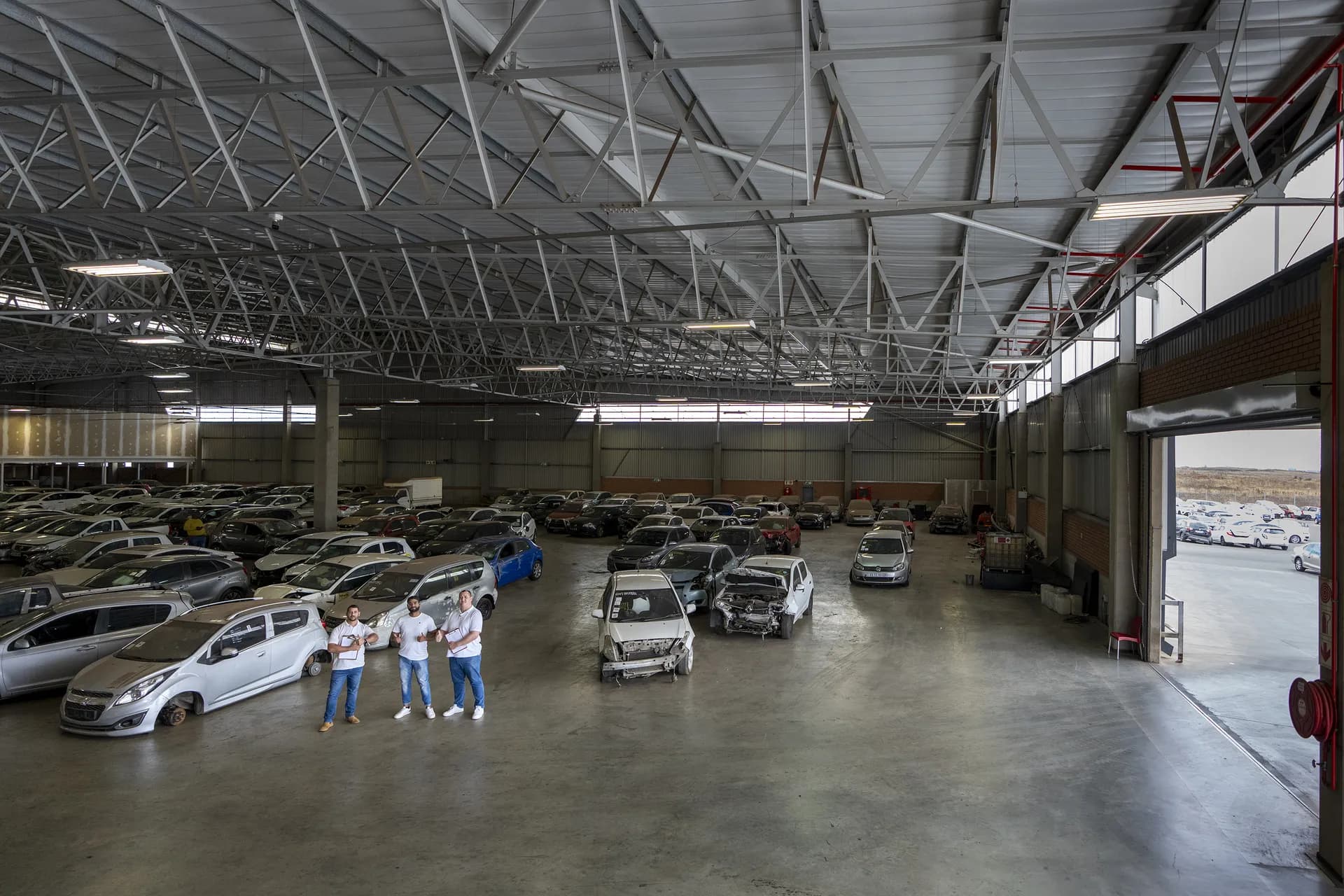
Overview: What Makes a Car a 'Salvage' in South Africa?
A salvage car in South Africa refers to any vehicle that has been declared uneconomical to repair after an accident, flood, fire, or severe mechanical failure. These cars are often 'written off' by insurers, cannot be safely driven until repaired and cleared, and typically require specific documentation for legal sale. For private owners and business fleets alike, understanding the obligations around transferring ownership of salvage vehicles is crucial to avoid administrative, financial, or even legal complications.
When Should You Sell vs. Attempt to Repair?
If your car's repair costs approach or exceed its pre-damage value, or if it has structural or electronic issues after an incident, selling as a salvage vehicle is often the more viable option. Besides financial considerations, legal compliance around declaring the vehicle's status to buyers and the Department of Transport should guide your decision.
Repair Cost vs. Value Retained
| Repair Cost (Est.) | Pre-Damage Value | Likely Outcome |
|---|---|---|
| R30 000 | R35 000 | Consider selling as salvage |
| R10 000 | R80 000 | Repair may be worthwhile |
Core Legal Steps to Sell a Salvage Vehicle
Selling a salvage or written-off vehicle means meeting specific South African regulations set by the National Road Traffic Act. The process helps prevent fraud and ensures correct deregistration, especially when the car is not roadworthy or will be scrapped. Here are the main legal steps:
- Ensure all outstanding finance or liens on the vehicle are settled before sale
- Disclose the vehicle's salvage status to the buyer in writing
- Deregister the vehicle with the Department of Transport if it will not return to the road, using Form NCR (Notification of Change of Ownership or Title Holder)
- Hand over the correct paperwork: original registration certificate, proof of ID, and notification of change of ownership
- If the vehicle is repairable, ensure the buyer knows that roadworthy clearance is needed before re-registration for normal use
Typical Legal Flow for Selling Salvage Cars
| Step | Purpose | Who Handles? |
|---|---|---|
| Outstanding Finance Settlement | Clear bank or finance house interest | Owner/Seller |
| Salvage Disclosure to Buyer | Transparency and legal compliance | Owner/Seller |
| Change of Ownership / Deregistration | Update National Traffic Information System (NaTIS) | Owner, Buyer or Service Provider |
Using a specialist service such as Sell Your Damaged Car simplifies these legal steps. They handle deregistration, paperwork and ensure buyers receive all the correct compliance documents, minimising the risk of future liability.
Understanding Deregistration and 'Scrapping' in South Africa
Deregistering a salvage car means officially removing it from the national road database. If the vehicle will be broken up for parts, the seller (or the service buying it) submits a Form SCR (Notification of Scrapping) or Form NCR, depending on the situation. Once processed, this eliminates your future liability for road fines or licence fees relating to that car.
Selling Salvage Vehicles Under Finance
If your damaged vehicle is still under finance, you must obtain the consent of the financier. Most banks in South Africa will require you to settle the outstanding amount before releasing the vehicle's registration documents. Not doing so can delay or invalidate your sale.
Tips to Maximise Safety and Value When Selling
- Only sell to established, compliant buyers and insist on written proof of sale
- Document the vehicle's condition with clear, timestamped photos
- Verify the buyer's or dealer's registration and credentials (especially for salvage yard or exporter sales)
- Ensure payments are verified in your bank account before releasing the car or paperwork
Damage Types vs. Offer Impact
| Damage Type | Legal Impact | Typical Offer Impact |
|---|---|---|
| Structural Damage | Must be disclosed; vehicle may be classified as non-repairable | Major reduction in value |
| Light Mechanical Failure | Declare in paperwork; roadworthy test needed for resale | Moderate reduction, sometimes repairable |
| Water, Fire, Flood Damage | Requires explicit notation on all transfer documents | Substantial reduction, often suitable for parts |
What Happens After Collection?
After a compliant sale, your liability as the seller ends once the paperwork is processed and the vehicle is deregistered in your name. If you use Sell Your Damaged Car, all process steps are handled for you - including collection from anywhere in South Africa, administration, and prompt notification of completion. Always request sale receipts and deregistration proof for your own records.
Conclusion
Legal requirements for selling salvage cars exist to safeguard both buyers and sellers, and to ensure the South African vehicle database remains accurate. For a straightforward, lawful, and stress-free experience, partnering with a specialist car-buying service can help you navigate every step, from disclosure to deregistration.
Sources
Seasoned automotive specialists dedicated to helping you turn your damaged or non-running vehicle into cash fast and hassle-free.
Disclaimer: This content is for educational purposes only. Product availability, pricing, and specifications are subject to change. Always verify current details on the retailer's website before making a purchase. We may earn affiliate commissions from qualifying purchases.
Why sell your damaged car to us?

A Division of Auction Nation, the leading expert in selling damaged cars

Best price for your damaged car

Get a cash offer within 24h

We buy damaged cars in any condition

We buy accident- damaged cars still under finance

Free, no obligation offer on your vehicle
How We Calculate Your Damaged Car’s Value
Wondering how we calculate your car’s value? At Sell Your Damaged Car, we look at: Your car’s real condition, its salvage value, and the current market demand. It’s all about honesty, transparency, and fairness — that’s how we determine your offer.
Frequently Asked Questions
Get answers to common questions about Legal And Paperwork
Why Choose Sell Your Damaged Car?
Free Towing
Need a tow? We got you
Hassle Free
Get a cash offer within 24h!
Nationwide
Somewhere remote? No problem!
