
How to Sell Non-Running Cars in South Africa - A Practical Guide
Learn when to sell vs repair, how valuations work for non-running vehicles, SA-specific paperwork and tips to maximise offers - nationwide collection and admin explained.
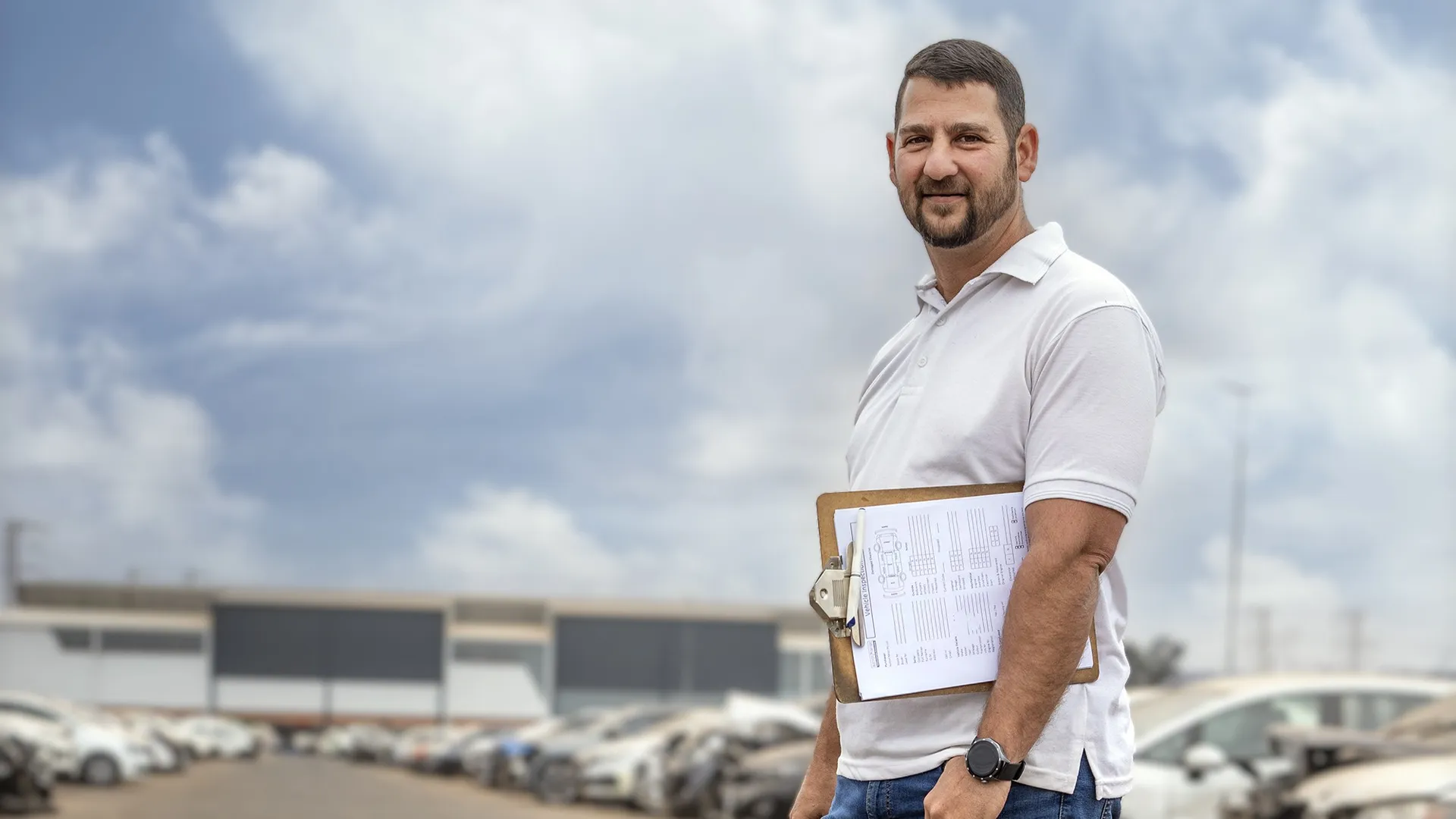
Sell When Repair Costs Exceed Value
If repairs approach resale value, selling as-is often recovers cash faster.
Nationwide Collection & Paperwork Help
Professional buyers handle towing, deregistration and payment logistics.
Prepare Photos & Documents
Clear images and registration papers speed valuation and improve offers.
Overview: Selling a Non-Running Car in South Africa
If your car won’t start, has been written off after an accident, or suffered serious mechanical failure, selling it as-is can save time and avoid costly repairs. This guide explains when selling is preferable to repairing, how to value a non-running vehicle in the South African market, and what to expect from a professional buyer who offers free towing and handles paperwork.
When to sell vs repair
Deciding to sell or repair depends on the estimated repair cost, current market value, and intended future use. For many older or seriously damaged vehicles, repair bills can exceed the vehicle’s trade value. Selling lets private owners and small fleets recover cash without arranging transport, finding buyers, or managing complex deregistration steps.
| Scenario | Typical repair cost (estimate) | Value retained if repaired |
|---|---|---|
| Major engine failure on older car | R25,000 - R70,000 (engine rebuild/replacement) | Often less than 50% of repair cost recovered |
| Accident body repair (structural) | R15,000 - R60,000 | Varies; resale may be affected by write-off history |
| Minor mechanical fix (starter, alternator) | R2,000 - R10,000 | Often justified if vehicle value is high |
These are indicative ranges in South Africa and will vary by make, model, age and parts availability. When repair costs approach or exceed likely resale price, selling as-is becomes financially sensible.
How professional buyers assess non-running cars
- Condition details: Does the vehicle crank? Is there visible body or flood damage?
- Market demand: Popular models and parts value can increase offers.
- Paperwork status: Clear documentation and deregistration requirements affect transfer ease.
- Location: Nationwide collection is common, but remote pick-up may affect timing.
Quick note: If you want an immediate estimate for a non-running car, provide clear photos of the engine bay, VIN/chassis plate and key damage areas. This speeds valuations and collection scheduling.
For a practical walkthrough of how a specialist buyer operates, see the company process overview on their About page: About / How it works. If your car cannot be started and you want a dedicated resource, the Sell Non-Running Car page has tailored guidance: Sell Non-Running Car.
Damage types and how they typically affect offers
| Damage type | Typical impact on offer |
|---|---|
| Engine/transmission failure | Lower offers; parts value matters more than cosmetic condition |
| Structural/accident write-off | Significant reduction; buyers price for salvage and repair complexity |
| Flood/fire damage | Often lowest offers due to corrosion and electrical loss |
How the process typically works for sellers in SA
A transparent, experienced buyer will follow clear steps: you submit vehicle details and photos online, receive an obligation-free estimate, accept the offer if it meets your expectations, then the buyer handles paperwork and arranges free towing. Payment is released once collection formalities are complete. This structure removes the burden of arranging transport and chasing bank transfers.
Step-by-step checklist
- Prepare photos: exterior, interior, engine bay, VIN/chassis plate and odometer.
- Gather paperwork: registration papers, ID, and finance details if applicable.
- Submit details via the online form to get an offer quickly - the homepage form can be used for uploads: Sell Your Damaged Car - Home.
- If you accept, schedule collection. Expect free towing nationwide, including Johannesburg, Cape Town, Durban and surrounding areas.
Legal & paperwork considerations in South Africa
The buyer should assist with transfer or deregistration steps. If the vehicle is still under finance, disclose this early - the National Credit Act and lender requirements apply. Buyers commonly coordinate with financiers to settle outstanding balances before final transfer. Always ensure receipts and a signed release form are provided on collection.
Tips to maximise your offer
- Be accurate and transparent about faults - undisclosed issues can reduce trust and final offers.
- Clean visible areas and take clear photos; clarity helps valuers assess non-running cars fairly.
- Provide full documentation - a vehicle with papers typically draws a higher and quicker offer.
- Compare estimates from reputable buyers and read their process notes; see the damaged car page for examples of what buyers accept: Sell Damaged Cars.
What happens after collection
On collection you should receive a signed collection note and payment confirmation. The buyer will usually handle deregistration or transfer to a salvage dealer. Payment timing varies by buyer but reputable services aim for fast payment once paperwork is verified - always confirm the payment method and request a receipt.
If you’d like a short overview of the buyer’s company policies and experience before proceeding, review the About page which explains how offers, towing and paperwork are managed: About / How it works.
Practical examples and South Africa scenarios
Example: A 10-year-old sedan with a seized engine-repair estimates exceed likely resale price. Selling as-is removes storage costs and avoids sourcing a costly engine rebuild. Another scenario: a small fleet owner with several non-running units can recover working capital faster by selling vehicles in bulk to a buyer who manages collection and deregistration.
Keep in mind market demand and parts values in major centres (Johannesburg, Cape Town, Durban) influence offers. If you need focused guidance for a non-running vehicle, review targeted resources for non-running cars here: Sell Non-Running Car.
Sources
Seasoned automotive specialists dedicated to helping you turn your damaged or non-running vehicle into cash fast and hassle-free.
Disclaimer: This content is for educational purposes only. Product availability, pricing, and specifications are subject to change. Always verify current details on the retailer's website before making a purchase. We may earn affiliate commissions from qualifying purchases.
Why sell your damaged car to us?

A Division of Auction Nation, the leading expert in selling damaged cars

Best price for your damaged car

Get a cash offer within 24h

We buy damaged cars in any condition

We buy accident- damaged cars still under finance

Free, no obligation offer on your vehicle
How We Calculate Your Damaged Car’s Value
Wondering how we calculate your car’s value? At Sell Your Damaged Car, we look at: Your car’s real condition, its salvage value, and the current market demand. It’s all about honesty, transparency, and fairness — that’s how we determine your offer.
Frequently Asked Questions
Get answers to common questions about Selling Guides
Why Choose Sell Your Damaged Car?
Free Towing
Need a tow? We got you
Hassle Free
Get a cash offer within 24h!
Nationwide
Somewhere remote? No problem!
