
How to Sell a Salvage Vehicle in South Africa - Practical Guide & Checklist
Learn how to sell a salvage vehicle in South Africa: valuation, paperwork, deregistration, free towing and tips to get a transparent, competitive cash offer.
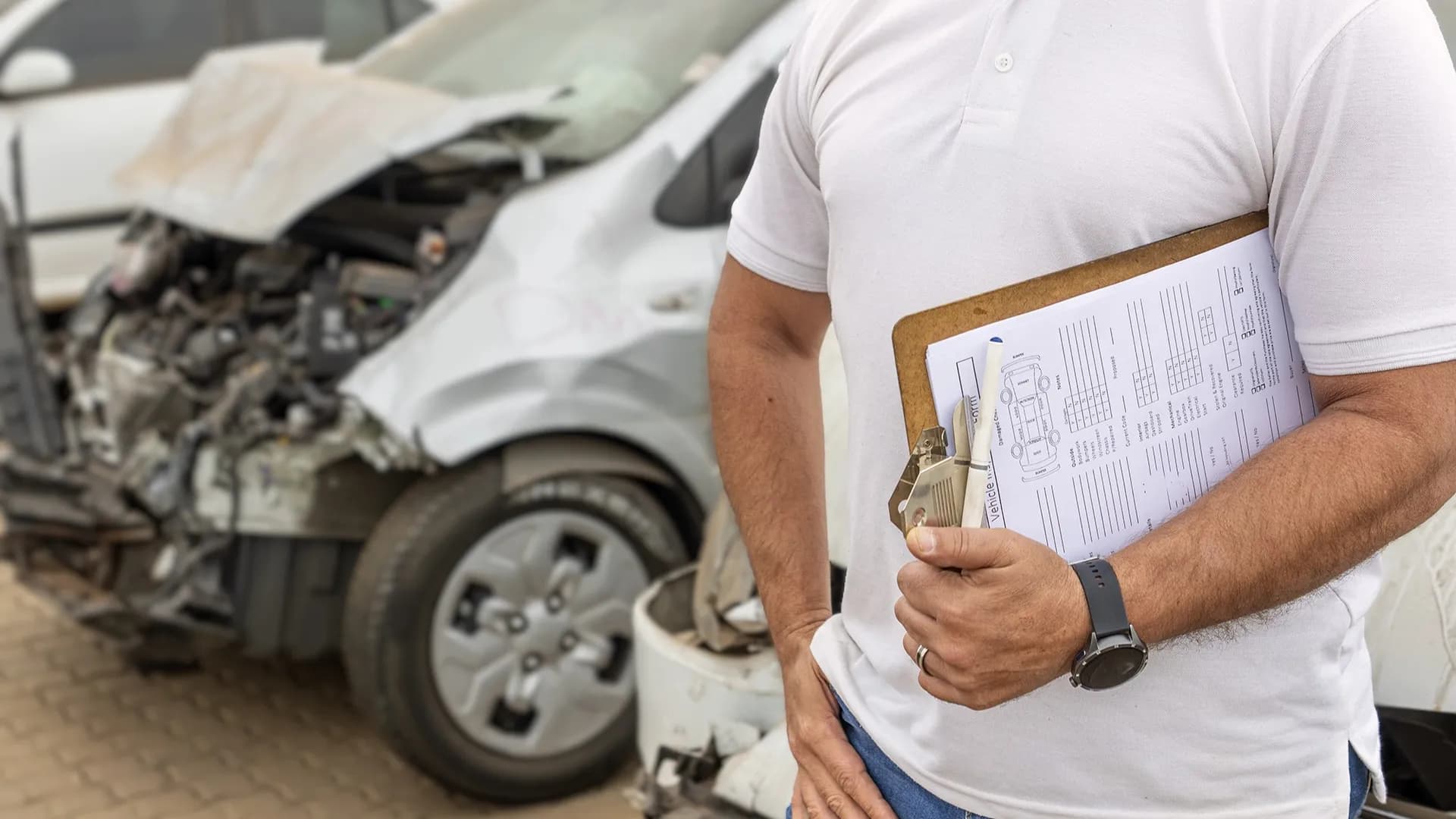
Overview: What 'salvage vehicle' means in South Africa
A salvage vehicle generally refers to a car that has been written off by an insurer, severely damaged in an accident, or otherwise considered uneconomical to repair. If you're searching for how to sell a salvage vehicle in South Africa, this guide explains the market, legal considerations, and practical steps to convert that vehicle into cash while minimising risk and admin.
Who this guide is for
- Private owners with accident-damaged or written-off cars in Johannesburg, Cape Town, Durban and nationwide.
- Owners of flood- or fire-damaged vehicles, non-running cars and salvage titles.
- Small fleet operators needing to dispose of damaged vehicles quickly and compliantly.
Why selling may be the best option
Repairing a salvage vehicle can be costly, time-consuming and sometimes risky if structural damage is present. Selling to a specialist buyer avoids ongoing storage and repair costs, removes the burden of arranging transport, and hands over paperwork responsibilities. Sell Your Damaged Car buys salvage vehicles in any condition and provides free towing, paperwork handling (including deregistration assistance) and fast payment across South Africa.
When to sell versus when to repair
Deciding whether to repair or sell depends on repair cost, current market value, insurance status and intended future use. Below is a simple cost comparison to help assess your situation in a South African context.
| Scenario | Typical cost range (R) | When selling may be better |
|---|---|---|
| Minor cosmetic & mechanical repairs | R3,000 - R15,000 | Repair if value retained > cost and vehicle is safe |
| Moderate structural or drivetrain repairs | R15,000 - R60,000+ | Sell if repair > 40-60% of current market value (estimate) |
| Severe frame, flood or fire damage | Variable - often > R60,000 | Usually sell to salvage specialists |
These figures are illustrative for South Africa and should be treated as estimates; actual costs depend on make, model and extent of damage. If the car is under finance or has an insurance write-off, check the insurer and finance company policies first - outstanding finance must typically be settled before transfer unless alternative arrangements exist.
How the process works with a specialist buyer
Specialist buyers (like Sell Your Damaged Car) streamline the sale of salvage vehicles and follow a clear sequence: valuation, offer, paperwork and collection. The typical online-first workflow reduces legwork for owners and speeds up payment.
Step-by-step workflow
- Submit vehicle details and photos via the online form (make, model, year, damage description, registration and images).
- Receive an obligation-free cash offer based on condition, salvage value and market demand.
- Accept the offer and confirm collection details; free towing is arranged nationwide.
- Paperwork is completed: proof of ownership, bill of sale and deregistration support where applicable.
- Vehicle is collected and payment is released and verified promptly.
Tip: Clear, well-lit photos of damaged areas, the odometer, VIN/chassis plate and overall vehicle help produce more accurate offers. Include documentation such as the registration certificate and any insurer write-off letters if available.
Legal & paperwork considerations in South Africa
Selling a salvage vehicle involves a few legal steps to ensure ownership transfer is clean and compliant with South African vehicle regulations. Below are the common items to address.
Common paperwork checklist
- Vehicle registration certificate (logbook) or proof of ownership.
- Clear ID and proof of address for the seller.
- Signed sale agreement or bill of sale-specialist buyers often supply this.
- Deregistration assistance: buyers can help submit deregistration to the relevant registering authority if required.
- If the vehicle is financed: settlement of the finance account or written consent from the lender for transfer.
Deregistration and insurer write-offs
If an insurer has written off the vehicle, confirm whether the insurer retains salvage rights or if you retain the salvage. That affects who can legally sell the vehicle. Specialist buyers often buy both retained-salvage and insurer-owned salvage but will ask for insurer documentation. When you sell, ensure the deregistration or transfer steps are recorded to avoid future liability.
| Issue | Typical impact on sale |
|---|---|
| Outstanding finance | Usually must be settled before transfer; buyer may offer to settle on your behalf as part of the sale. |
| Insurer retains salvage rights | You may need insurer approval or paperwork; buyer will request relevant letters. |
| No logbook available | Additional identity checks and affidavits may be required; expect a slightly longer process. |
Tips to maximise your salvage offer
- Provide complete, accurate photos and a clear damage description - transparency builds trust and reduces re-inspections.
- Include recent service records and a clear vehicle history where possible - buyers value documented maintenance.
- Declare outstanding finance and insurer communications up front to avoid delays.
- Compare offers from reputable buyers; focus on inclusions like free towing, paperwork handling and timing of payment.
What happens after collection
After the buyer collects the salvage vehicle, they typically finalise any remaining paperwork and process payment. In South Africa this may include handing over a signed bill of sale, assisting with deregistration and providing proof that the vehicle has been collected and transfer processes initiated. Sell Your Damaged Car aims to verify payment quickly after collection and confirm administrative steps have been completed.
Practical South Africa example
Example scenario: a Johannesburg owner has a 2012 hatchback written off by their insurer but retains salvage. They upload vehicle details and photos, receive an offer, accept, and schedule free towing to a nearby collection point. The buyer helps with the sale agreement and deregistration submission. Payment is released after collection and verification. This approach avoids storage fees, reduces ongoing admin and removes uncertainty about disposal.
Further reading and internal resources
For specific situations you can review our pages on selling non-running cars and selling damaged cars, and see advice on avoiding scams when disposing of salvage vehicles:
Sources
- Road Traffic Management Corporation / RTMC - vehicle registration guidance
- Financial Sector Conduct Authority - guidance on finance and settling vehicle finance
- AA South Africa - practical advice on written-off vehicles and repairs
- Sell Your Damaged Car - service overview and nationwide collection coverage
Seasoned automotive specialists dedicated to helping you turn your damaged or non-running vehicle into cash fast and hassle-free.
Disclaimer: This content is for educational purposes only. Product availability, pricing, and specifications are subject to change. Always verify current details on the retailer's website before making a purchase. We may earn affiliate commissions from qualifying purchases.
Why sell your damaged car to us?

A Division of Auction Nation, the leading expert in selling damaged cars

Best price for your damaged car

Get a cash offer within 24h

We buy damaged cars in any condition

We buy accident- damaged cars still under finance

Free, no obligation offer on your vehicle
How We Calculate Your Damaged Car’s Value
Wondering how we calculate your car’s value? At Sell Your Damaged Car, we look at: Your car’s real condition, its salvage value, and the current market demand. It’s all about honesty, transparency, and fairness — that’s how we determine your offer.
Frequently Asked Questions
Get answers to common questions about Selling Guides
Why Choose Sell Your Damaged Car?
Free Towing
Need a tow? We got you
Hassle Free
Get a cash offer within 24h!
Nationwide
Somewhere remote? No problem!
