
How to Sell a Non-Running Car in South Africa - Practical Step-by-Step Guide
Step-by-step guide to selling a non-running car in South Africa: compare repair vs sell, understand paperwork, and follow a simple online valuation and collection process.
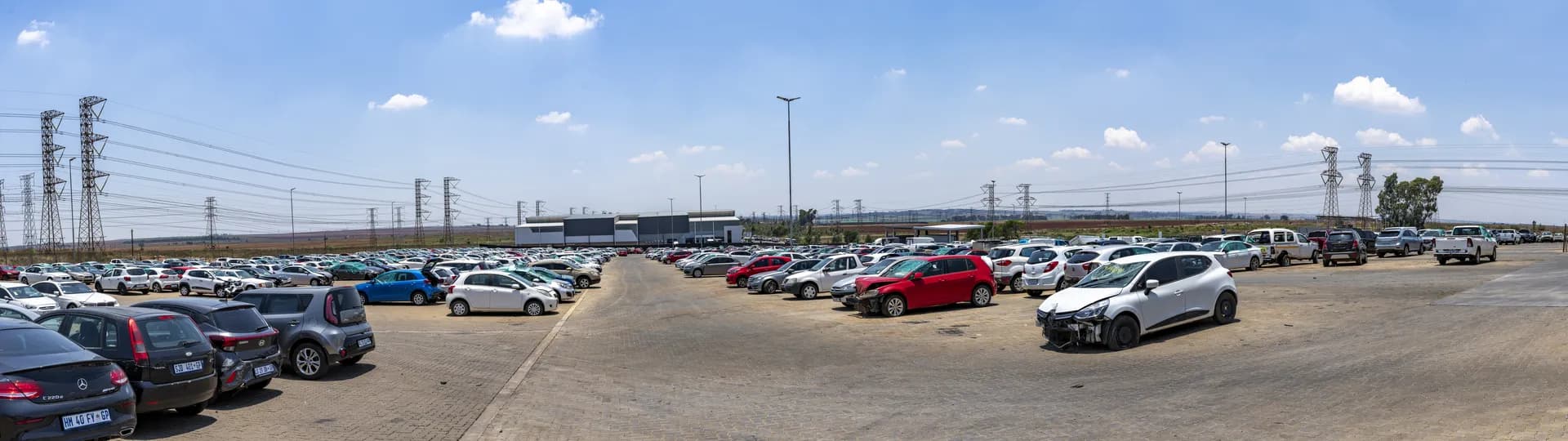
Overview: Selling a Non-Running Car in South Africa
If your car won't start, has major mechanical failure, or is otherwise non-running, selling it can be faster and cheaper than repairing. This guide explains when to sell instead of repair, how the online valuation and collection process works, and what to expect with paperwork and deregistration in South African conditions. The primary keyword for this page is how to sell non-running car South Africa and it appears throughout to match search intent.
Who this guide is for
- Private owners with immobile vehicles in Johannesburg, Cape Town, Durban and surrounding areas.
- Small fleet operators with damaged or non-starting vehicles they want to remove quickly.
- Anyone weighing repair costs against salvage offers in the South African market.
When to sell vs repair
Deciding whether to repair or sell a non-running car depends on repair costs, the vehicle's market value, insurance status and how quickly you need the vehicle removed. Use the tables below to compare typical repair ranges and how different damage types usually affect offers in South Africa. Figures are illustrative estimates in R and will vary by model, year and market demand.
| Condition / Repair | Typical South Africa repair cost (estimate) | Value retained after repair (estimate) |
|---|---|---|
| Engine replacement (mid-range car) | R25,000 - R60,000 | May not fully recover; depends on mileage/age |
| Transmission rebuild | R15,000 - R45,000 | Often lowers resale competitiveness |
| Electrical failures / ECU | R5,000 - R30,000 | Variable; modern cars costly to fix |
| Damage type | Typical impact on offer |
|---|---|
| Complete engine failure | Lower offers due to costly repairs or salvage value |
| Non-running due to battery/electrical | Smaller negative impact if parts are repairable |
| Front/rear collision damage | Offer depends on structural damage and write-off likelihood |
Note: These are indicative ranges. For a precise idea of whether to repair or sell, get a free online valuation that uses make, model, year and photos of the non-running car.
Key South Africa considerations
- Free towing nationwide means you don't need to arrange transport from Johannesburg, Cape Town, Durban or smaller towns.
- If the vehicle is under finance, inform the financier: payout procedures differ and must be settled before transfer.
- Written-off or salvage vehicles are subject to insurance and registration rules - a buyer should disclose salvage status during sale. Consider buyers who offer free collection and fast payment when choosing a buyer.
How the Process Works - Step by Step
Selling a non-running car through a specialist service is designed to be quick and low-effort. Below is a clear workflow tailored for South African sellers:
1. Submit vehicle details and photos
Provide make, model, year, mileage, and clear photos of the vehicle and specific fault areas. Accurate detail speeds up a fair valuation.
2. Receive an obligation-free offer
Offers are based on condition, market salvage demand and the car's documentation. The phrase how to sell non-running car South Africa matters here because quotes reflect local market factors.
3. Accept, schedule collection and hand over paperwork
Once you accept, the buyer arranges free towing from anywhere in South Africa. Paperwork handling commonly includes change of ownership forms and assistance with deregistration when applicable.
4. Payment and completion
After collection and verification, payment is released. For security, have bank details ready and confirm the transfer on your side. For vehicles under finance, proceeds are used to settle the outstanding balance and any remainder is paid to you according to the financier's procedure.
Legal & paperwork in South Africa
Transfer of ownership and deregistration rules matter when you sell a non-running car. Common documents include the registration certificate (logbook), written proof of ownership, a signed transfer form and ID. If the vehicle is listed as financed, a clearance letter or settlement instruction from the finance house is required before transfer.
- Keep copies of all signed documents and the receipt for the sale.
- If a vehicle is deregistered for scrap or export, ensure the buyer provides proof of deregistration.
- For salvage or insurance write-offs, confirm whether the insurance claim was finalised to avoid complications.
Tips to maximise your offer
- Provide clear, well-lit photos of the full vehicle and the mechanical area affected; accurate descriptions reduce conservative adjustments.
- Gather service records and proof of recent maintenance; these increase buyer confidence.
- Be honest about parts missing or aftermarket modifications - undisclosed issues can delay payment.
What happens after collection
After the vehicle is towed, the buyer inspects against the photos and documentation. Payment follows verification. If any discrepancy arises, expect a transparent adjustment conversation rather than sudden cancellation. Typical timelines: collection within days and payment within 1-5 business days after verification depending on bank processing.
Practical South Africa examples
Example 1: A 2010 small hatch with failed engine in Johannesburg - repair estimate R35,000 vs sale to specialist for quicker removal and a competitive cash offer reflecting salvage demand.
Example 2: A fleet operator in Durban with several non-running units opts to sell multiple vehicles together. Bundled sales can reduce collection logistics and administrative time.
Helpful links and next steps
- For non-running-specific options, see our Sell Non-Running Car page: https://sellyourdamagedcar.co.za/Sell_Non_Running_Car
- If your car is also damaged in other ways, review Sell Damaged Cars for combined considerations: https://sellyourdamagedcar.co.za/Sell_Damaged_Cars
- Avoid scams by following our security guidance: How to Avoid Being Scammed (see site resources).
Sources
Seasoned automotive specialists dedicated to helping you turn your damaged or non-running vehicle into cash fast and hassle-free.
Disclaimer: This content is for educational purposes only. Product availability, pricing, and specifications are subject to change. Always verify current details on the retailer's website before making a purchase. We may earn affiliate commissions from qualifying purchases.
Why sell your damaged car to us?

A Division of Auction Nation, the leading expert in selling damaged cars

Best price for your damaged car

Get a cash offer within 24h

We buy damaged cars in any condition

We buy accident- damaged cars still under finance

Free, no obligation offer on your vehicle
How We Calculate Your Damaged Car’s Value
Wondering how we calculate your car’s value? At Sell Your Damaged Car, we look at: Your car’s real condition, its salvage value, and the current market demand. It’s all about honesty, transparency, and fairness — that’s how we determine your offer.
Frequently Asked Questions
Get answers to common questions about Selling Guides
Why Choose Sell Your Damaged Car?
Free Towing
Need a tow? We got you
Hassle Free
Get a cash offer within 24h!
Nationwide
Somewhere remote? No problem!
