
South Africa Damaged Car Buy Process - Step-by-Step Guide
Learn the step-by-step process for selling a damaged or non-running car in South Africa: online valuation, offers, paperwork, free towing and payment details.
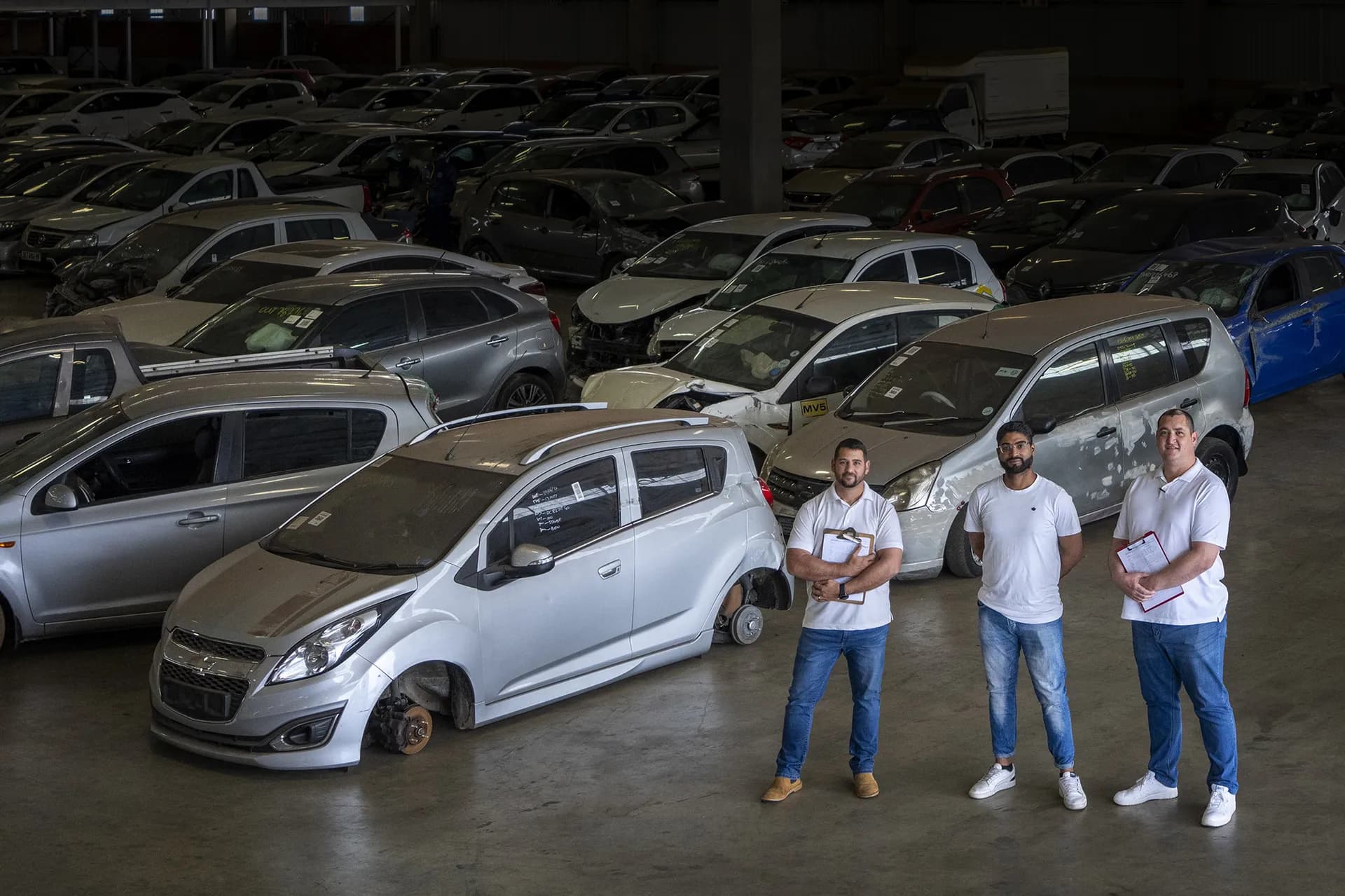
Overview: How the damaged car buy process works in South Africa
The typical damaged car buy process converts a vehicle with accident, flood, fire or mechanical damage into cash while the buyer handles collection and administration. For South African owners this usually includes an online valuation, an offer based on condition and market salvage demand, acceptance, paperwork completion (including deregistration where required) and free or arranged towing. Services such as Sell Your Damaged Car buy vehicles in any condition, collect nationwide and handle payment and paperwork.
When sellers use a buy-and-collect service
- Accident-damaged or written-off vehicles where repair costs exceed practical value.
- Non-running cars with major mechanical failure or seized engines.
- Flood- or fire-damaged cars where restoration is costly or commercially unviable.
- Fleets or private owners who prefer fast, low-logistic-sale solutions across metros such as Johannesburg, Cape Town or Durban.
Quick note on terminology
In South Africa, terms you will see include written-off, salvage, non-running and deregistration. Written-off typically refers to insurer or assessor decisions that repair is uneconomical; salvage refers to the vehicle or parts market where damaged cars are traded.
Practical example: A 2010 mid-size car with front-end damage that needs R30,000 in repairs might attract a cash offer based on the vehicle's pre-accident market value minus repair and disposal costs. Figures used in examples are estimates and will vary by condition and market demand in South Africa.
Repair cost vs value retained (example)
| Repair estimate (R) | Typical retained market value after repair (%) | Seller decision (example) |
|---|---|---|
| R5,000-R15,000 | 65-80% | Often worth repairing if owner values keeping car. |
| R20,000-R50,000 | 40-60% | Sell to a specialist may be faster and more economical. |
| R50,000+ | 20-40% | Likely a candidate for sale as salvage or parts rather than repair. |
When to sell vs repair
Deciding whether to repair or sell depends on repair cost, vehicle age and resale market. In South Africa, older vehicles or those requiring extensive structural repairs frequently have lower post-repair resale value, making a direct sale to a buyer who handles salvage or parts a practical choice. Also consider time, storage costs and safety: non-running cars left in the open can suffer further deterioration.
Checklist: choose to sell when
- Repair estimates approach or exceed expected resale value.
- The vehicle is non-running and towing/repair logistics are difficult or costly.
- You need a quick turnover or cash for replacement, especially for fleet managers.
If you want to compare selling a non-running vehicle, see the Sell Non-Running Car page. For damaged-only cases, consult the Sell Damaged Cars page. For guidance on avoiding scams, refer to our How to Avoid Being Scammed resource.
How the buy process works step-by-step
1. Online submission and photos
Provide make, model, year, mileage, a clear damage description and photos from multiple angles. Accurate photos speed valuation and reduce follow-up queries.
2. Immediate valuation and offer
A specialist buyer assesses condition against current South African salvage demand and provides an obligation-free cash offer. Offers factor in repair cost estimates, parts resale value and transport/deregistration expenses.
3. Accept, paperwork and collection
Once you accept, the buyer coordinates paperwork (including ownership transfer and deregistration where required) and arranges free towing from your location. For vehicles under finance, the buyer will usually request settlement figures from the financier; you must disclose finance encumbrances upfront.
4. Payment and confirmation
Payment is released and verified promptly after collection and required documents are completed. In South African examples, typical timelines from acceptance to payment range from same-day to a few business days depending on banking and paperwork complexity.
Damage types vs typical offer impact
| Damage Type | Typical Offer Impact | Notes (SA context) |
|---|---|---|
| Structural/frame damage | High negative impact | Often deemed written-off; specialist buyers price for parts recovery and scrap. |
| Mechanical failure (non-running) | Moderate to high impact | Offers depend on whether major components (engine, gearbox) are salvageable. |
| Cosmetic/body damage | Lower impact | Repair costs inform offer; parts resale market in SA influences price. |
| Flood or fire | High negative impact | Electrical and corrosion risks reduce offers significantly. |
Legal & paperwork considerations in South Africa
Key paperwork steps include providing a valid vehicle registration document, a signed transfer of ownership (if required) and disclosure of any finance encumbrances. Buyers typically assist with deregistration at licensing offices and provide the necessary transfer forms. If your vehicle is under finance, settlement instructions from the financer are needed before a clear transfer can occur.
Practical tips to maximise your offer
- Provide clear, well-lit photos of damage and the VIN/chassis number.
- Be honest about prior repairs and outstanding finance; nondisclosure can delay payment.
- Remove personal items and keep documentation ready (service history, licence disk).
- If unsure, compare two offers to check market competitiveness.
What happens after collection
After collection the buyer completes administrative steps, processes payment and arranges any transport to a dismantler, repairer or export yard. You should receive confirmation of transfer and payment receipts. Keep copies of all paperwork for your records and to confirm deregistration where applicable.
Sources
- South African Government: gov.za - Transport and licensing information
- South African Insurance Association (SAIA): guidance on vehicle write-offs and insurance practice
- Road Traffic Management Corporation (RTMC): vehicle registration and road safety resources
- Sell Non-Running Car
- Sell Damaged Cars
- How to Avoid Being Scammed
Seasoned automotive specialists dedicated to helping you turn your damaged or non-running vehicle into cash fast and hassle-free.
Disclaimer: This content is for educational purposes only. Product availability, pricing, and specifications are subject to change. Always verify current details on the retailer's website before making a purchase. We may earn affiliate commissions from qualifying purchases.
Why sell your damaged car to us?

A Division of Auction Nation, the leading expert in selling damaged cars

Best price for your damaged car

Get a cash offer within 24h

We buy damaged cars in any condition

We buy accident- damaged cars still under finance

Free, no obligation offer on your vehicle
How We Calculate Your Damaged Car’s Value
Wondering how we calculate your car’s value? At Sell Your Damaged Car, we look at: Your car’s real condition, its salvage value, and the current market demand. It’s all about honesty, transparency, and fairness — that’s how we determine your offer.
Frequently Asked Questions
Get answers to common questions about Selling Guides
Why Choose Sell Your Damaged Car?
Free Towing
Need a tow? We got you
Hassle Free
Get a cash offer within 24h!
Nationwide
Somewhere remote? No problem!
