
FAQ about Selling Damaged Cars in South Africa - Answers for Owners
Find answers to common questions about selling damaged, non-running or written-off vehicles in South Africa - paperwork, offers, towing and what affects valuation.
Can I sell a written-off car?
Yes - buyers purchase written-off and salvage cars; offers depend on damage and market demand.
Paperwork & deregistration
Transfer and deregistration are required; specialist services often handle admin for you.
Free towing & nationwide service
Many buyers collect across SA, save on transport costs and reduce seller effort.
Quick overview
This FAQ addresses practical questions South African owners commonly have when they consider selling a damaged car. It covers what to expect from offers, how paperwork and deregistration work, what affects valuation, and how services like Sell Your Damanged Car make selling simpler with nationwide free towing and admin support.
Common questions and clear answers
Can I sell a written-off or salvage vehicle?
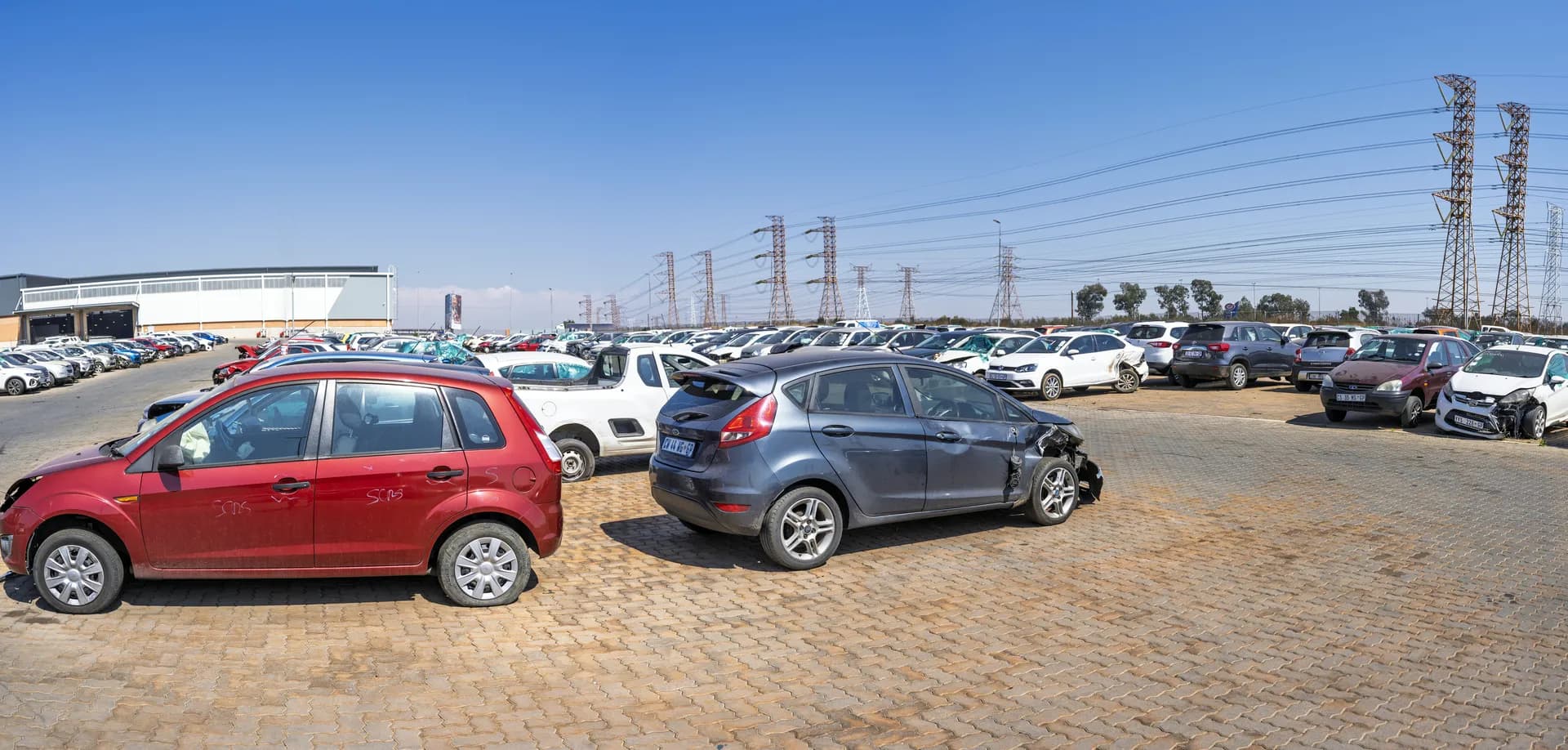
Yes. Written-off and salvage vehicles are bought by specialist buyers and dismantlers. Offers depend on the vehicle's pre-accident value, the extent of damage, and salvage demand. If your vehicle is under finance, you must disclose this so outstanding debt can be settled during transfer.
Do you buy non-running or flooded cars?
Specialist buyers will often purchase non-running, flood-damaged or fire-damaged cars. Sell Your Damaged Car accepts vehicles in any condition and manages collection and paperwork - see our process and coverage on the About / How it works page.
How is an offer calculated?
Offers are typically based on three factors: current market value for the make/model/year, the estimated cost to repair (or the scrap/dismantle value), and salvage market demand for parts. Estimates vary by region - parts for popular models in Johannesburg or Cape Town can attract higher salvage interest than in smaller towns.
Repair cost vs value retained
| Scenario | Typical repair cost (R, estimate) | Value likely retained after repair |
|---|---|---|
| Minor panel & paint | R5,000-R20,000 | High (>70%) if repairs are certified |
| Structural/airbag claims | R30,000-R120,000+ | Often low (<50%); may be declared written-off |
| Non-running mechanical failure | R10,000-R80,000 | Varies widely; buyers price risk of hidden faults |
These figures are illustrative and based on typical South African repair scenarios - actual quotes should be obtained for an accurate compare-and-decide process. If repair costs approach or exceed expected retained value, selling as-is is often the more efficient option.
What paperwork and legal steps are required?
Transfer, deregistration and finance
To transfer ownership you normally need the vehicle registration papers (logbook), a valid roadworthy certificate if required for the transaction, and proof of identity. If the vehicle is registered under finance, the lender’s consent or settlement is required. Specialist buyers often assist with deregistration and settlement - learn more practical steps at our Sell Non-Running Car information page.
What if I don’t have the logbook?
Missing documentation complicates but does not always prevent a sale. Buyers may request certified ID, a sworn affidavit or additional checks. Using a buyer that handles paperwork and deregistration reduces risk and effort for sellers across South Africa.
Damage types vs typical offer impact
| Damage type | Typical impact on offer |
|---|---|
| Superficial panel damage | Moderate reduction; parts resale possible |
| Structural/frame damage | Significant reduction; often written-off |
| Engine/transmission failure | High variability; non-runners priced for repair or parts |
| Flood or fire damage | Offers usually lower due to repair/part risks |
Every vehicle is assessed individually. Honest, clear photos and accurate descriptions speed up valuation and produce fairer offers.
For step-by-step guidance on selling damaged vehicles and service details, review our Sell Damaged Cars page.
How the process usually works (practical timeline)
Typical steps
- Submit vehicle details and photos online - make, model, year, mileage and clear damage images.
- Receive a transparent, obligation-free cash offer based on condition and market factors.
- Accept the offer and schedule collection - many buyers (including Sell Your Damanged Car) provide free towing nationwide.
- Paperwork and payment: the buyer handles transfer/deregistration where possible and releases payment once collection is complete.
Practical tips to get the best outcome
Be transparent and provide good photos
Honest descriptions and multiple photos (interior, exterior, close-ups of damage, engine bay) reduce follow-up queries and lead to quicker, more accurate offers. Note mileage and any recent repairs or parts replaced.
Compare offers and confirm inclusions
Compare more than price: check whether towing is free, who handles deregistration, and how payment is processed. Services that include free nationwide towing and paperwork handling save time and reduce out-of-pocket costs, especially outside major metros like Cape Town, Johannesburg and Durban.
What happens after collection?
After collection the buyer inspects the vehicle and finalises transfer paperwork. Payment release timing varies but reputable buyers process payment promptly after collection and verification. Keep records of the handover document and proof of payment for your records.
South Africa-specific notes
Nationwide collection is commonly available across major centres and surrounding areas. If your car is in a remote area, confirm collection times. When estimates are quoted, prices are shown in R and should be treated as ranges unless a full inspection has been completed.
When to sell vs repair - quick decision guide
If repair costs approach or exceed the realistic market value after repair, selling as-is is often the faster, lower-risk option. For fleet owners, recurrent repair bills and downtime are important considerations - specialists can provide quick fleet clearances to free up capital.
Sources
- South African Department of Transport - official guidance and regulations
- Road Traffic Management Corporation (RTMC) - vehicle registration and transfer information
- AA South Africa - consumer guidance on buying and selling vehicles
If you need practical examples of selling a non-running or written-off car, see detailed service descriptions and process steps on the homepage and the About / How it works page for our nationwide process.
This FAQ aims to provide practical, South Africa-focused answers. For vehicle-specific advice, gather clear photos, service history and documentation before seeking offers, and verify buyer credentials to ensure a low-risk, transparent transaction.
Seasoned automotive specialists dedicated to helping you turn your damaged or non-running vehicle into cash fast and hassle-free.
Disclaimer: This content is for educational purposes only. Product availability, pricing, and specifications are subject to change. Always verify current details on the retailer's website before making a purchase. We may earn affiliate commissions from qualifying purchases.
Why sell your damaged car to us?

A Division of Auction Nation, the leading expert in selling damaged cars

Best price for your damaged car

Get a cash offer within 24h

We buy damaged cars in any condition

We buy accident- damaged cars still under finance

Free, no obligation offer on your vehicle
How We Calculate Your Damaged Car’s Value
Wondering how we calculate your car’s value? At Sell Your Damaged Car, we look at: Your car’s real condition, its salvage value, and the current market demand. It’s all about honesty, transparency, and fairness — that’s how we determine your offer.
Frequently Asked Questions
Get answers to common questions about Legal And Paperwork
Why Choose Sell Your Damaged Car?
Free Towing
Need a tow? We got you
Hassle Free
Get a cash offer within 24h!
Nationwide
Somewhere remote? No problem!
