
Steps to Selling a Non-Running Car in South Africa - Practical Checklist
Follow step-by-step guidance to sell a non-running car in South Africa: prepare photos and documents, compare offers, understand paperwork, and finalise collection.
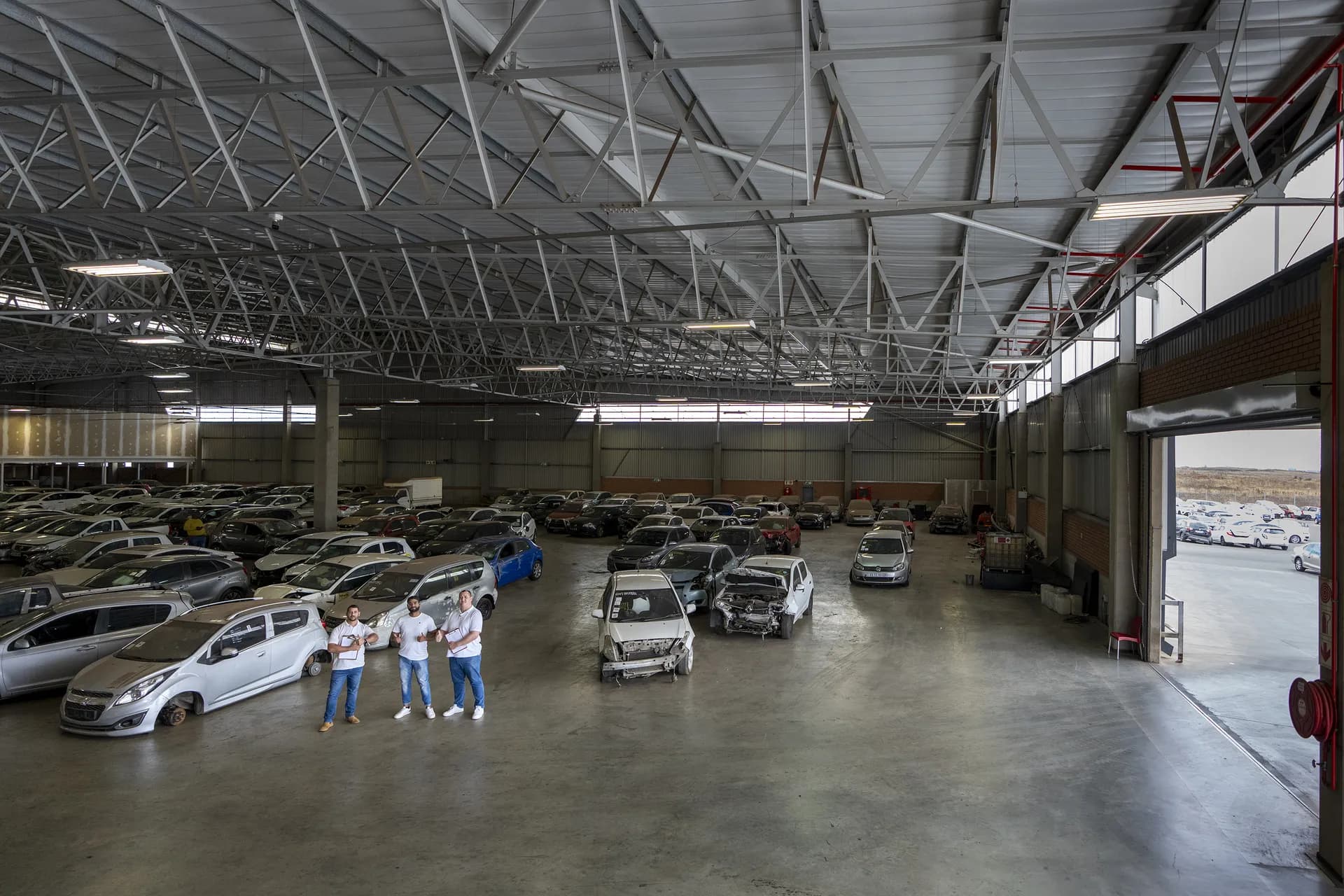
Prepare Documentation
Photos, VIN, registration and service records speed valuation and sale.
Compare Offers
Check inclusions like free towing, paperwork handling and payment timing.
Understand Legal Steps
Confirm transfer, deregistration and finance settlement responsibilities.
Overview: Why a structured approach matters
Selling a non-running car differs from a standard private sale. Buyers in the salvage and tow markets look for clear condition details, paperwork certainty and easy collection. Following a consistent set of steps helps you get a competitive cash offer, speeds up collection and reduces admin stress. This guide lays out the key steps to selling a non-running car in South Africa, with practical examples in R where relevant.
Quick checklist (what you’ll need)
- Vehicle registration documents or license disc (if available).
- Photos showing overall condition and specific mechanical/damage issues.
- VIN/chassis number, engine number where possible.
- Approximate mileage and any service history.
- Bank details for payment and ID for verification.
Note: Market prices and offers vary by region (Johannesburg, Cape Town, Durban) and by salvage demand. Examples in this article use R to indicate South African rand and are illustrative estimates only.
When to sell vs repair a non-running car
Deciding whether to repair or sell depends on repair cost, vehicle market value if roadworthy, and time. For older vehicles or where repairs exceed a significant portion of market value, selling as-is often reduces ongoing costs and risk.
Repair cost vs value retained
| Scenario | Typical repair estimate (R) | Value retained after repair |
|---|---|---|
| Major engine rebuild on older 10+ year car | R25,000-R60,000 (estimate) | Often less than 50% of cost recovered on resale |
| Transmission replacement | R20,000-R40,000 | Depends on vehicle; may exceed market uplift |
| Minor electrical/fuel system repair | R3,000-R10,000 | Often cost-effective if vehicle value is moderate |
If repair costs approach or exceed expected resale gains, selling the non-running car is usually the more practical option. Sell Your Damaged Car provides an online submission option specifically for non-running vehicles; see the Sell Non-Running Car page for details on the information buyers typically need.
How the process works: step-by-step
A clear five-step process makes selling a non-running car straightforward. Most reputable buyers will ask for photos, a condition description, and documentation before making a cash offer.
Step 1 - Gather documents and photos
Take clear photos from multiple angles: exterior, interior, odometer, VIN/chassis plate and photos that show the issue (e.g., seized engine or fluid leaks). Locate the license copy or registration papers if you have them.
Step 2 - Provide an honest description
Describe the symptoms (won’t start, seized engine, fuel system failure) and any recent repairs or assessments. Accurate descriptions reduce delays during valuation and collection scheduling.
For a detailed explanation of how buyers assess damaged and non-running vehicles, see the About / How it works page.
Step 3 - Receive and compare offers
Offers will depend on make, model, location (collection cost), condition and salvage demand. When reviewing an offer, confirm inclusions: free towing, paperwork handling and timing of payment. Transparency around these points reduces surprises at collection.
Step 4 - Agree terms and schedule collection
A reputable buyer arranges free towing and completed paperwork. Agree on a collection date, verify identity of the collection team and ensure bank details for payment are ready. If your car is under finance, inform the buyer early so the settlement process can be coordinated.
Legal & paperwork in South Africa
Legal transfer, deregistration and finance settlements are common sticking points. Buyers who handle admin can simplify the sale, but you should still verify what's being changed on official records.
Common paperwork steps
- Proof of ownership and ID verification.
- Signed transfer of ownership or a written sale agreement per buyer requirements.
- If the vehicle is financed, a settlement or clearance letter from the finance house.
- Deregistration or notification to relevant traffic authorities (buyer responsibility varies).
Damage types vs typical offer impact
| Damage type | Likely effect on offer |
|---|---|
| Non-running due to electrical/fuel fault | Moderate reduction; often repairable cost-effectively |
| Major engine or transmission failure | Significant reduction; stronger salvage market interest |
| Accident written-off / structural damage | Offer depends on parts value and repair feasibility |
Tips to maximise your offer
- Be accurate and transparent in the listing-surprises reduce final offers.
- Provide clear, dated photos and VIN/chassis details; this speeds verification.
- Keep any service history and receipts together-buyers value documented maintenance.
- Compare offers from multiple buyers but check inclusions (towing, admin, timing).
For examples of how damaged and non-running cars are handled in our service offering, you can review the Sell Damaged Cars page and the homepage for national coverage details.
What happens after collection
After collection, typical steps are final paperwork sign-off, deregistration (if agreed), and payment release. Confirm the expected payment timeline before collection and obtain a signed receipt once the vehicle is collected.
Example timeline (illustrative)
- Day 0: Submit photos and documents.
- Day 1-2: Receive offers and choose buyer.
- Day 3-7: Schedule collection; paperwork finalised.
- Day of collection: Signed handover and payment processed per agreed terms.
Sources
Seasoned automotive specialists dedicated to helping you turn your damaged or non-running vehicle into cash fast and hassle-free.
Disclaimer: This content is for educational purposes only. Product availability, pricing, and specifications are subject to change. Always verify current details on the retailer's website before making a purchase. We may earn affiliate commissions from qualifying purchases.
Why sell your damaged car to us?

A Division of Auction Nation, the leading expert in selling damaged cars

Best price for your damaged car

Get a cash offer within 24h

We buy damaged cars in any condition

We buy accident- damaged cars still under finance

Free, no obligation offer on your vehicle
How We Calculate Your Damaged Car’s Value
Wondering how we calculate your car’s value? At Sell Your Damaged Car, we look at: Your car’s real condition, its salvage value, and the current market demand. It’s all about honesty, transparency, and fairness — that’s how we determine your offer.
Frequently Asked Questions
Get answers to common questions about Selling Guides
Why Choose Sell Your Damaged Car?
Free Towing
Need a tow? We got you
Hassle Free
Get a cash offer within 24h!
Nationwide
Somewhere remote? No problem!
