
How to Sell a Non-Running Car for Cash in South Africa - Practical Steps
Step-by-step guide to selling a non-running car for cash in South Africa. Learn how to prepare, compare offers, handle deregistration and arrange free nationwide towing.
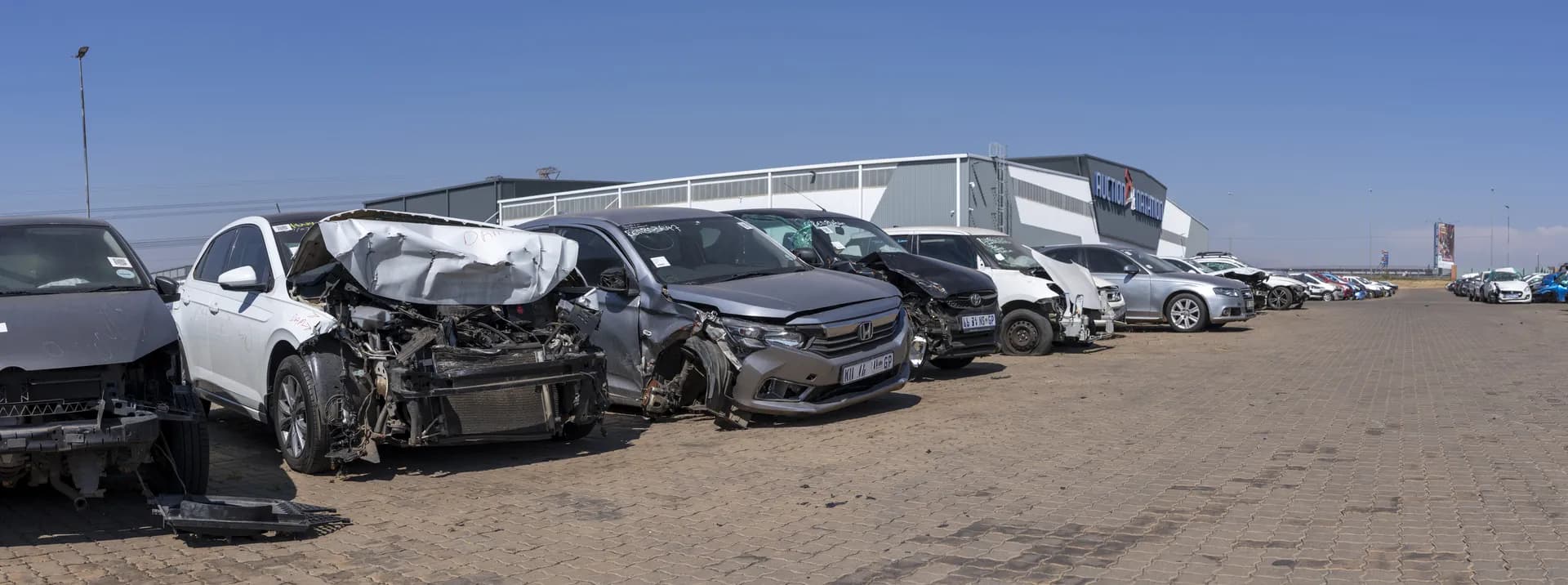
Overview: Selling a Non-Running Car for Cash in SA
If your vehicle won't start, has major mechanical failure, or is written off after an accident, selling it for cash can be faster and more cost-effective than attempting repairs. This guide explains how to sell a non-running car for cash in South Africa, step-by-step: what affects offers, how to prepare the vehicle information, and what to expect from reputable buyers who provide free towing and paperwork support.
When selling is the right option
Consider selling when repair estimates exceed the likely resale value, when the car is non-running and expensive to tow, or when time and convenience outweigh potential resale gains. Selling avoids ongoing storage costs and the uncertainty of private buyers willing to collect a dead vehicle.
Primary steps at a glance
- Gather vehicle details and clear photos (including engine bay and damage).
- Get an online valuation or offer from a specialist buyer.
- Accept an obligation-free offer, schedule free collection.
- Complete paperwork (including deregistration where applicable) and receive payment.
Note: This guide focuses on South African processes and examples. When we use monetary examples, values are shown as R and are illustrative estimates, not specific offers.
When to Sell vs Repair a Non-Running Car
Deciding whether to repair or sell a non-running car depends on repair cost, vehicle age, current market demand, and personal circumstances. Use the table below to compare typical scenarios.
| Factor | Repair | Sell for Cash |
|---|---|---|
| Estimated cost (example) | R10,000-R60,000 depending on engine/transmission | No repair cost; receive a competitive cash offer |
| Time to resolution | Days to weeks | Hours to days (valuation and collection scheduling) |
| Risk | Uncertain final cost, potential follow-up issues | Low risk if using a reputable buyer with clear paperwork support |
Damage types and impact on offers
Offers depend on condition, salvage value and repairability. The following table summarises common damage types and typical effects on cash offers.
| Damage Type | Typical Offer Impact |
|---|---|
| Engine/transmission failure | Lower offers; parts/salvage value matters |
| Accident/written-off | Offers reflect structural damage and salvage demand |
| Flood or fire damage | Significantly reduced offers; specialised salvage buyers needed |
| Non-running for unknown reason | Moderate offers: clarity from photos and description helps |
How the Process Works (Step-by-Step)
Specialist buyers who purchase non-running cars for cash usually follow a straightforward process. Understanding each step helps set expectations and speeds up completion.
1. Prepare your vehicle details and photos
Collect vehicle make, model, year, VIN/chassis number, mileage, and a clear description of why the car is non-running. Take photos from multiple angles: overall exterior, interior, engine bay, odometer, and any damage. Good photos materially improve valuation accuracy.
2. Submit an online valuation form
Use the buyer's online form to upload details and images. Many South African services provide near-instant indicative offers. Be honest about condition - inaccuracies can delay collection or alter the final offer.
3. Receive and compare offers
Compare offers from specialist buyers focusing on their inclusions: free towing, paperwork handling (deregistration), and payment terms. A slightly lower offer that includes free nationwide towing and admin may be preferable to a higher offer that leaves you to arrange transport and deregistration.
4. Accept, schedule collection and complete paperwork
Once you accept an offer, agree a collection time. Reputable buyers will handle transfer documentation, notify the South African Licensing Authority as needed, and arrange deregistration if required. Keep copies of all signed paperwork for your records.
5. Vehicle collection and payment
On collection day, verify the vehicle, sign handover documents and confirm payment method. Many buyers provide near-instant electronic payment after collection; ensure bank details are correct and payment is verified before releasing the keys or documentation.
Internal resources: see our Steps to selling a non-running car in South Africa and how to sell a damaged car for cash in South Africa pages for forms and detailed process pages. For protection against scams, review our What affects the value of a damaged car in South Africa guidance.
Legal & Paperwork Considerations in South Africa
Selling a non-running vehicle in South Africa requires attention to transfer and deregistration rules. If the vehicle is financed, you must inform the finance company - they will usually require settlement before transfer. Always obtain written confirmation that responsibility has passed to the buyer.
Deregistering a written-off vehicle
Buyers that specialise in salvage purchases often assist with deregistration and notifying the registering authority on your behalf. Keep copies of transfer documents and confirmation of deregistration to avoid future liability.
Vehicles under finance
If your car is still under finance, inform the finance provider. Options typically include settling the outstanding balance from sale proceeds or arranging the lender's consent for transfer. Transparent buyers will coordinate with lenders to simplify the process.
Tips to Maximise Your Offer
- Provide accurate, high-quality photos - engine bay, underside, interior and damage close-ups help.
- Be honest about modifications, flood or accident history - undisclosed defects can reduce final offer.
- Collect maintenance records if available; even non-running cars benefit from documented service history.
- Compare at least two offers and factor in towing and paperwork inclusions when choosing.
- If in a metro (Johannesburg, Cape Town, Durban), expect faster collection windows; remote areas can require longer lead times.
What Happens After Collection
After collection, reputable buyers will confirm receipt, finalise transfer or salvage paperwork, and process payment. Keep a copy of the signed handover form and the buyer's payment confirmation. If you need confirmation of deregistration or transfer, request written evidence with dates and reference numbers.
Practical South African examples
Example 1: A Cape Town owner with a non-starting sedan received two offers. One buyer offered slightly more but required the owner to arrange towing; the other offered a competitive cash offer that included free towing and paperwork handling - the owner chose the latter for convenience and faster completion.
Example 2: A small fleet operator in Durban sold an older van with transmission failure. The buyer coordinated settlement with the fleet's finance company and collected the vehicle from the depot, simplifying administration for the operator.
Common Mistakes to Avoid
- Accepting only the highest headline offer without checking included services.
- Failing to confirm whether the buyer handles deregistration or lender settlement.
- Not keeping copies of transfer paperwork and payment confirmation.
- Sharing bank details with unknown parties without verifying buyer identity.
Sources
- Road Traffic Management Corporation (SA) - Licensing and registration information
- South African Revenue Service - Vehicle-related tax and clearance guidance
- Banking and electronic payment systems in South Africa - payment verification best practices
- Sell Your Damaged Car - Sell Non-Running Car
- Sell Your Damaged Car - Sell Damaged Cars
Seasoned automotive specialists dedicated to helping you turn your damaged or non-running vehicle into cash fast and hassle-free.
Disclaimer: This content is for educational purposes only. Product availability, pricing, and specifications are subject to change. Always verify current details on the retailer's website before making a purchase. We may earn affiliate commissions from qualifying purchases.
Why sell your damaged car to us?

A Division of Auction Nation, the leading expert in selling damaged cars

Best price for your damaged car

Get a cash offer within 24h

We buy damaged cars in any condition

We buy accident- damaged cars still under finance

Free, no obligation offer on your vehicle
How We Calculate Your Damaged Car’s Value
Wondering how we calculate your car’s value? At Sell Your Damaged Car, we look at: Your car’s real condition, its salvage value, and the current market demand. It’s all about honesty, transparency, and fairness — that’s how we determine your offer.
Frequently Asked Questions
Get answers to common questions about Selling Guides
Why Choose Sell Your Damaged Car?
Free Towing
Need a tow? We got you
Hassle Free
Get a cash offer within 24h!
Nationwide
Somewhere remote? No problem!
