
What Affects the Value of a Damaged Car in South Africa - Key Factors Explained
Learn the key factors that affect the value of a damaged car in South Africa, how valuations work, legal paperwork, and tips to improve offers.
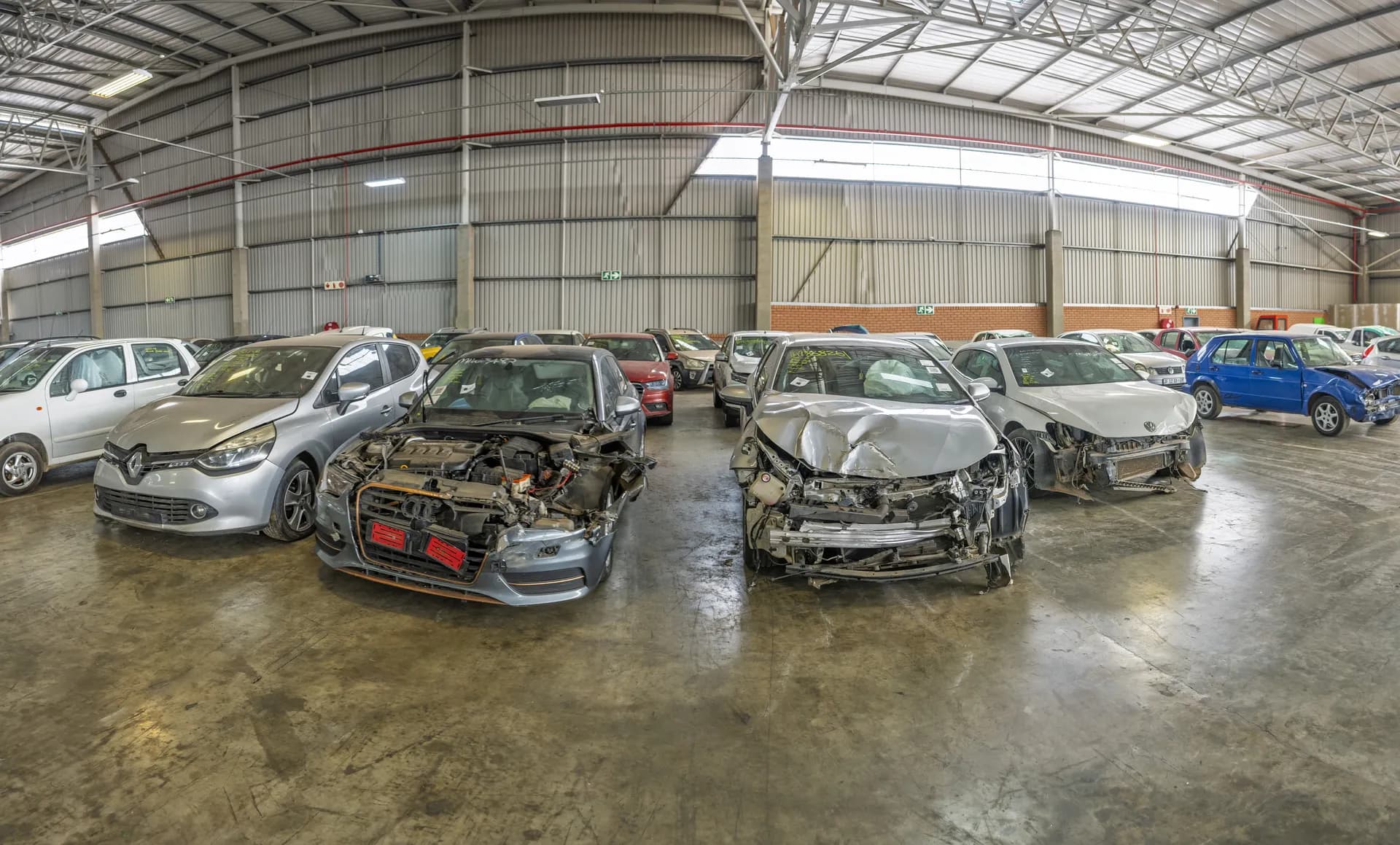
Primary Value Drivers
Make, damage type, running condition and parts demand shape offers.
Paperwork & Legal Impact
Clear documentation, finance status and deregistration affect net proceeds.
Practical Selling Tips
Good photos, honesty about damage and service records improve offers.
Overview: what affects the value of a damaged car in South Africa
If your vehicle has accident damage, flood or fire exposure, mechanical failure or simply won't start, multiple factors influence the cash offer you’ll receive. Knowing what affects the value of a damaged car in South Africa helps you choose whether to repair, keep, or sell the vehicle. Typical buyers-salvage yards, repairers and specialist purchasers-assess condition, market demand, parts value and regulatory status when valuing a damaged car.
Primary value drivers
- Make, model and year - more common and newer models generally retain more salvage value.
- Extent and type of damage - structural or engine damage reduces value more than cosmetic dents.
- Running condition - non-running vehicles attract lower offers due to transport and repair costs.
- Vehicle history and documentation - complete service history and clear ownership increase trust.
- Market demand for parts - high-demand models or rare components can raise an offer.
How assessor focus differs
Buyers weight these factors differently: insurers and accident repairers prioritise repairability and cost, dismantlers focus on parts value, and traders consider re-sell potential. For South African regional markets-Johannesburg, Cape Town, Durban and surrounding areas-local demand for specific models or parts can change offers significantly.
Quick note: Offers are estimations based on visible damage, provided details and photographs. An in-person inspection can change valuations.
Repair cost vs retained value
A common benchmark used by sellers is comparing repair cost to the post-repair market value. When repair estimates approach or exceed a large fraction of the vehicle’s market value, selling for salvage often becomes more attractive.
| Scenario | Indicative repair cost (R) | Typical retained value after repair |
|---|---|---|
| Minor cosmetic damage | R2,000 - R12,000 (estimate) | 70%-90% of pre-accident value |
| Moderate structural or panel damage | R15,000 - R60,000 (estimate) | 40%-70% of pre-accident value |
| Major engine/chassis or flood damage | R60,000+ (estimate) | Often classified as written-off or salvage |
Estimates vary by region and repairer; the figures above are illustrative for South Africa. For many owners, if repair costs are a high proportion of expected resale value, selling to a specialist is a practical option.
When to sell versus repair
Deciding whether to repair or sell depends on the gap between repair expenses and the vehicle’s recovered market value, your need for a usable car, time and cash considerations, and insurance cover. Private sellers should consider time on market and potential towing costs; fleet owners should factor in downtime and administrative burden.
Practical scenarios
- If your insurer declares the vehicle a write-off, selling as salvage is commonly quicker than attempting repairs.
- For older cars with high mileage, a repair bill that is a large percentage of replacement cost often favours selling.
- If a repair leaves the vehicle with branded history or lingering mechanical risk, resale prices can remain depressed.
To understand how our buying process works in these situations and what to expect, see our About / How it works and the specialised Sell Damaged Cars page for practical detail on offers and collections.
How the valuation process works - our perspective
A typical valuation starts with the vehicle’s make, model, year, mileage and clear photographs. Buyers then assess visible damage, estimate hidden repair costs and check vehicle documentation and any outstanding finance. For online valuations, transparency in descriptions and photos improves accuracy and reduces the chances of an offer changing after inspection.
Damage types vs typical offer impact
| Damage type | Typical impact on offers |
|---|---|
| Cosmetic (bumper, minor dents) | Smaller reduction; often repairable at low cost |
| Structural/chassis damage | Significant reduction; affects safety and resale |
| Engine/drivetrain failure | Major impact; costly repairs and lower offers |
| Flood or fire damage | Often treated as total loss; low salvage offers |
Legal & paperwork considerations in South Africa
Legal status and paperwork strongly influence offers. Key items include proof of ownership, clear service history, a valid registration certificate (or note of deregistration), and disclosure of any finance on the vehicle. Vehicles under finance must be cleared with the lender; many buyers will coordinate settlement as part of the purchase but this affects timing and net proceeds.
Deregistration, finance and written-off vehicles
- Deregistration: buyers may assist with deregistration; providing correct ID and documentation speeds the transfer.
- Outstanding finance: disclose any finance. Settlement is usually required before full ownership transfer.
- Written-off status: insurance write-offs must be declared; branded vehicles carry a different resale profile.
For owners with non-running vehicles, see our guidance on selling non-running cars for details about logistics and paperwork assistance: Sell Non-Running Car. Our nationwide approach covers collection and paperwork assistance from metros to outlying areas.
Tips to maximise your offer
- Provide clear photos: multiple angles, engine bay and VIN plate improve valuation accuracy.
- Be honest about damage history and finance to avoid post-inspection offer changes.
- Collect service records: documented maintenance increases buyer confidence.
- Remove personal items and check for transferable extras (e.g., tow bars, roof racks) that add value.
- Compare offers: use transparent buyers who clearly list inclusions like free towing and paperwork handling.
What happens after collection
After you accept an offer, a typical sequence is: paperwork completed (including transfer or deregistration assistance), vehicle collected using free towing, and payment released and verified. Timelines vary; many buyers complete collection and payment within days in major centres. Smaller towns or vehicles requiring special recovery may take a little longer.
Example timeline (illustrative)
- Day 0: Submit details and photos.
- Day 0-1: Receive an initial offer.
- Day 1-3: Accept offer and arrange collection.
- Day 3-7: Paperwork completed, vehicle collected, payment processed.
Times are approximate and depend on location, whether the vehicle is under finance, and the complexity of recovery. Our online valuation process and nationwide coverage aim to make selling faster and less stressful-visit our homepage for an overview of services and what we include.
Sources
- South African Department of Transport - Vehicle registration and transfer information
- AA South Africa - Advice on accident management and vehicle ownership
- Financial Sector Conduct Authority - Guidance on vehicle finance and consumer protections
If you want a practical next step, compile clear photos, a short damage description and documentation. That information materially improves online valuations and reduces re-negotiation after inspection. The factors above explain why two similar-looking cars can receive different offers in Johannesburg, Cape Town or Durban.
Seasoned automotive specialists dedicated to helping you turn your damaged or non-running vehicle into cash fast and hassle-free.
Disclaimer: This content is for educational purposes only. Product availability, pricing, and specifications are subject to change. Always verify current details on the retailer's website before making a purchase. We may earn affiliate commissions from qualifying purchases.
Why sell your damaged car to us?

A Division of Auction Nation, the leading expert in selling damaged cars

Best price for your damaged car

Get a cash offer within 24h

We buy damaged cars in any condition

We buy accident- damaged cars still under finance

Free, no obligation offer on your vehicle
How We Calculate Your Damaged Car’s Value
Wondering how we calculate your car’s value? At Sell Your Damaged Car, we look at: Your car’s real condition, its salvage value, and the current market demand. It’s all about honesty, transparency, and fairness — that’s how we determine your offer.
Frequently Asked Questions
Get answers to common questions about Selling Guides
Why Choose Sell Your Damaged Car?
Free Towing
Need a tow? We got you
Hassle Free
Get a cash offer within 24h!
Nationwide
Somewhere remote? No problem!
