
How to Deregister a Code 3 or Code 4 Vehicle in South Africa: Step-by-Step Guide
Learn how to deregister your Code 3 or Code 4 vehicle with this detailed South African guide-documents, process, legal tips and common pitfalls covered.
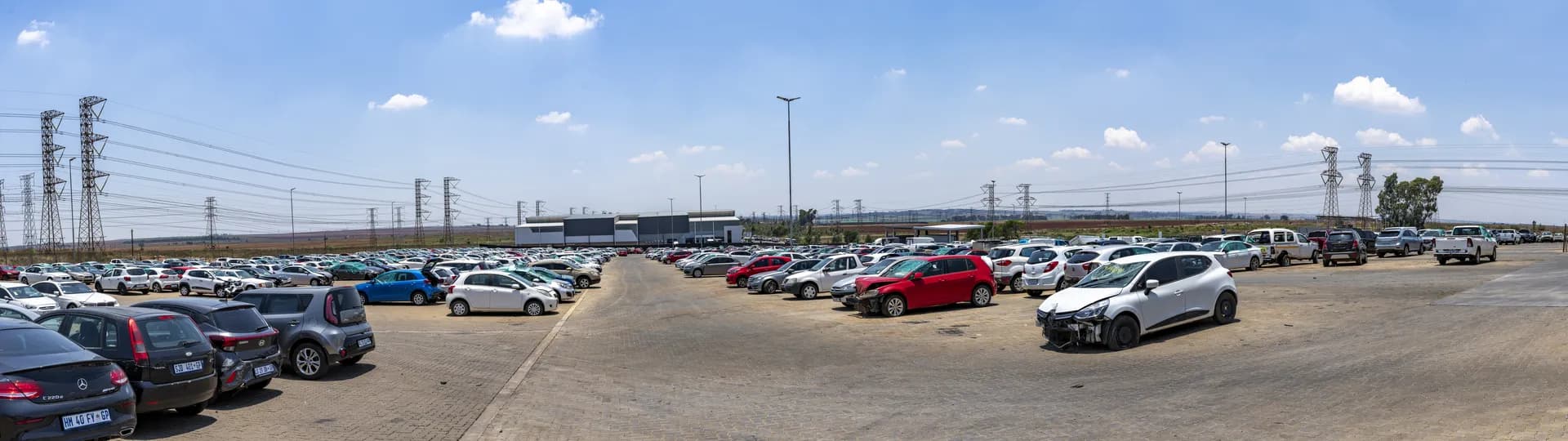
Overview: Deregistering Code 3 & Code 4 Vehicles in South Africa
In South Africa, Code 3 (rebuilt) and Code 4 (permanently unfit/irrepairable) vehicles require deregistration with the licensing authorities if you are selling, scrapping, or disposing of them. Proper deregistration is essential to avoid future legal liability and to remain compliant with traffic laws. Whether your car is accident-damaged, a total loss, or rebuilt, knowing this process can help safeguard you from fines and ownership complications.
Code 3 vs Code 4: What's the Difference?
| Vehicle Code | Definition | Deregistration Requirement |
|---|---|---|
| Code 3 | Rebuilt from major accident or damage; legally roadworthy if inspected and registered | If scrapping or written-off, must deregister officially |
| Code 4 | Permanently unfit for use; cannot be re-licensed (for spare parts or scrap only) | Immediate deregistration required, cannot return to road |
When You Need to Deregister Your Vehicle
- If your insurer has declared the car a total loss (written-off or uneconomical to repair)
- When scrapping or breaking the vehicle for parts
- After selling to a salvage company or specialist buyer
- Vehicle exported or permanently removed from SA roads
Cars left on the National Traffic Information System (NaTIS) can create headaches years later. Authorities may continue to issue fines and licensing fees in your name until a deregistration (Form NCO or Form 31) is completed.
Step-by-Step: How to Deregister a Code 3 or Code 4 Vehicle
- Collect all required documents: original registration certificate/RC1, your South African ID, completed deregistration form (form yellow), and proof of reason (e.g. insurer letter or scrapping letter).
- Visit your nearest licensing authority or registering office (eNatis branch, local traffic department).
- Complete the 'Notification of Change of Ownership' (NCO) and 'Application for Deregistration' forms. Declare the reason-scrapped, exported or written-off.
- Hand in plates (for Code 4 or scrapped vehicles) if required by municipality.
- Pay any outstanding fees or fines. Keep the receipt and NaTIS record as proof of deregistration for your records.
What Happens After Deregistration?
After official deregistration, the vehicle's status on NaTIS is updated. Code 4 cars are marked as permanently unfit and may not be re-licensed. Code 3 vehicles, if scrapped, are removed from the road. You are no longer liable for future licensing or penalties relating to that vehicle once this is confirmed.
Common Questions & South Africa-Specific Notes
- What if my car is still under finance? The finance house must approve deregistration. Settling the account is usually required before removal from the register.
- Who handles deregistration in a sale? Trusted car buying services (like Sell Your Damaged Car) can manage NaTIS paperwork and deregistration when you sell to them. Always confirm who is responsible.
- Can I deregister online? Currently, personal deregistration must be done in person at licensing offices, but some services can provide booking assistance or administrative handling.
- Do I need proof for my insurance? Yes-insurers often require proof of deregistration if a claim resulted in a Code 4 declaration.
Paperwork Checklist Table
| Item | Purpose | Who Provides It |
|---|---|---|
| RC1 (registration certificate) | Confirms registered owner and status | Owner/licensing department |
| Deregistration form | Updates official vehicle status on NaTIS | Owner |
| NCO (Notification Change Ownership) | Legal change of registered keeper | Owner |
| ID Document | Identification for transaction | Owner |
| Letter from insurer or scrap yard | Evidence for reason of deregistration | Insurer/scrap buyer |
Experience-Based Notes: Avoiding Common Pitfalls
Where to Find More Guidance
- Sell Damaged Cars for streamlined selling and deregistration assistance
- About Us to learn how our team can handle NaTIS process for you
- Contact your local traffic department for the latest deregistration forms and advice for your municipality
Sources
Seasoned automotive specialists dedicated to helping you turn your damaged or non-running vehicle into cash fast and hassle-free.
Disclaimer: This content is for educational purposes only. Product availability, pricing, and specifications are subject to change. Always verify current details on the retailer's website before making a purchase. We may earn affiliate commissions from qualifying purchases.
Why sell your damaged car to us?

A Division of Auction Nation, the leading expert in selling damaged cars

Best price for your damaged car

Get a cash offer within 24h

We buy damaged cars in any condition

We buy accident- damaged cars still under finance

Free, no obligation offer on your vehicle
How We Calculate Your Damaged Car’s Value
Wondering how we calculate your car’s value? At Sell Your Damaged Car, we look at: Your car’s real condition, its salvage value, and the current market demand. It’s all about honesty, transparency, and fairness — that’s how we determine your offer.
Frequently Asked Questions
Get answers to common questions about Legal And Paperwork
Why Choose Sell Your Damaged Car?
Free Towing
Need a tow? We got you
Hassle Free
Get a cash offer within 24h!
Nationwide
Somewhere remote? No problem!
