
How to Deregister an Accident-Damaged Car That's Not Repairable in South Africa
A step-by-step guide on deregistering an accident-damaged, non-repairable car. Learn legal steps, required documents, and tips for South African vehicle owners.
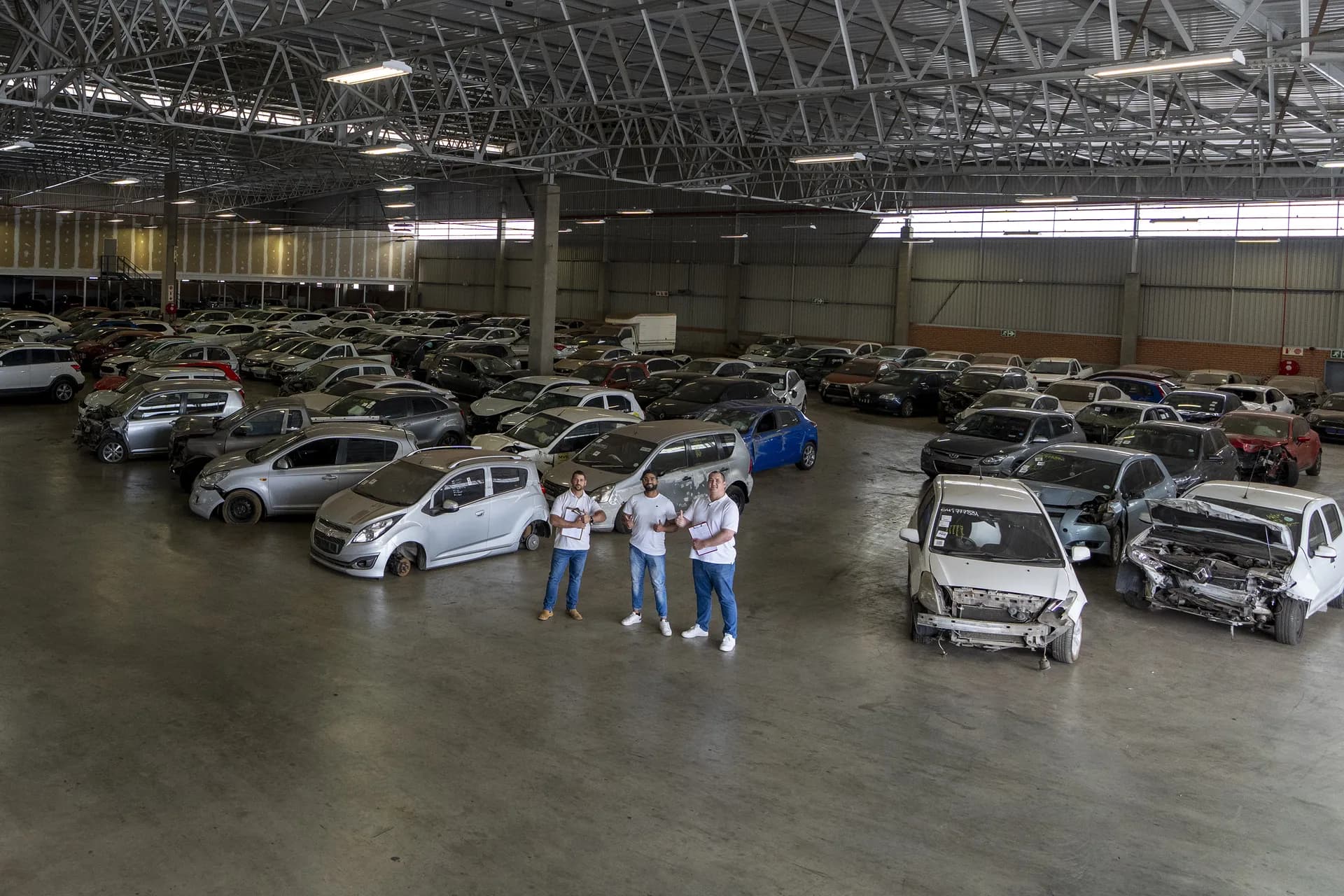
Overview: Deregistering a Non-Repairable Damaged Vehicle
If your car has suffered serious accident damage and is declared not repairable, deregistering it in South Africa is a critical legal step. Failing to deregister a written-off or permanently non-running vehicle can expose you to insurance, licensing, and liability risks. This guide walks through the SA deregistration process, documents you'll need, regulatory obligations, and practical advice for hassle-free compliance.
In South Africa, a car classified as "Code 3" or written off after an accident cannot usually return to the road. Proper deregistration removes your name from liability and is required by law when the vehicle is not repairable.
When Must a Damaged Car Be Deregistered?
- If the car is structurally damaged beyond viable or legal repair after a collision
- If the insurer has paid out and declared the car a total loss (write-off)
- If a roadworthy certificate cannot be issued due to damage
- When the vehicle is being scrapped or used for parts only
Deregistration formally notifies the licensing authorities (NaTIS) that the car is off the road, ending your ownership and payment obligations. It's essential for both private vehicle owners and business fleets across Gauteng, Western Cape, KZN and beyond.
How the Deregistration Process Works
Deregistering an accident-damaged car that is not repairable in South Africa involves several key steps:
- Gather ownership documents (title certificate, ID, proof of address)
- Obtain a police clearance or accident report (if required by your region/licensing authority)
- Complete the Notification of Deregistration (Form ADV)
- Submit all documents in person at your local licensing office or, in some provinces, via an accredited service provider
- Pay applicable deregistration or admin fees
| Required Step | Document | Authority Involved |
|---|---|---|
| Prove permanent unroadworthiness | Accident report, insurer letter | SAPD, insurer |
| File deregistration notice | Form ADV + ID | NaTIS/licensing dept |
| Remove number plates | Physical plates | Owner/licensing dept |
In some cases, especially for financed or insured vehicles, you'll need to obtain additional clearance from your lender or insurance company. The licensing authority will update the National Traffic Information System (NaTIS) and mark your car as deregistered and non-operational or scrapped.
Legal and Financial Implications of Deregistration
Once deregistered, your liability for licence renewal fees and road accidents associated with the vehicle ends. The car's status changes from active to deregistered (either "scrapped", "permanently unfit for use" or "demolished" on record). This helps reduce risk of fines or being associated with future misuse of the car's identity.
Deregistering a Financed or Insured Car
If your written-off, damaged, or non-repairable car is still under finance, consult your finance house or bank before starting the process. The legal owner must consent to deregistration, and insurers may require documentation for policy settlements. Always confirm all finance is settled prior to deregistration.
Tips to Smooth the Process
- Have certified copies of your ID, proof of address, and all damage/accident documents ready
- Confirm specific requirements with your province's licensing department-procedures may vary in Johannesburg, Cape Town or Durban
- Clear any outstanding fines or fees associated with the car
- Photograph the car's current condition for your records
- Ask the licensing office for proof of deregistration and preserve it in case of disputes
| Situation | Extra Steps to Take |
|---|---|
| Vehicle under finance | Get finance house clearance before deregistering |
| Sold to salvage or scrap dealer | Fully complete transfer of ownership/deregistration form |
| Loss from accident but not insured | Obtain SAPD clearance and provide written confirmation of permanent damage |
What Happens to Deregistered Vehicles?
After deregistration, the car can no longer be legally driven on public roads. It may be stripped for parts, recycled, or disposed of by licensed salvage operators. You are free to sell your accident-damaged, non-repairable vehicle to a specialist buyer who will handle salvage and paperwork, such as Sell Your Damaged Car, ensuring further risk and admin are managed professionally.
Sources
Seasoned automotive specialists dedicated to helping you turn your damaged or non-running vehicle into cash fast and hassle-free.
Disclaimer: This content is for educational purposes only. Product availability, pricing, and specifications are subject to change. Always verify current details on the retailer's website before making a purchase. We may earn affiliate commissions from qualifying purchases.
Why sell your damaged car to us?

A Division of Auction Nation, the leading expert in selling damaged cars

Best price for your damaged car

Get a cash offer within 24h

We buy damaged cars in any condition

We buy accident- damaged cars still under finance

Free, no obligation offer on your vehicle
How We Calculate Your Damaged Car’s Value
Wondering how we calculate your car’s value? At Sell Your Damaged Car, we look at: Your car’s real condition, its salvage value, and the current market demand. It’s all about honesty, transparency, and fairness — that’s how we determine your offer.
Frequently Asked Questions
Get answers to common questions about Legal And Paperwork
Why Choose Sell Your Damaged Car?
Free Towing
Need a tow? We got you
Hassle Free
Get a cash offer within 24h!
Nationwide
Somewhere remote? No problem!
