
How to Deregister a Total Loss Vehicle in Gauteng: Complete Owner's Guide
Learn how to legally deregister a written-off or total loss vehicle in Gauteng. Step-by-step paperwork, NaTIS system, and pro tips for owners.
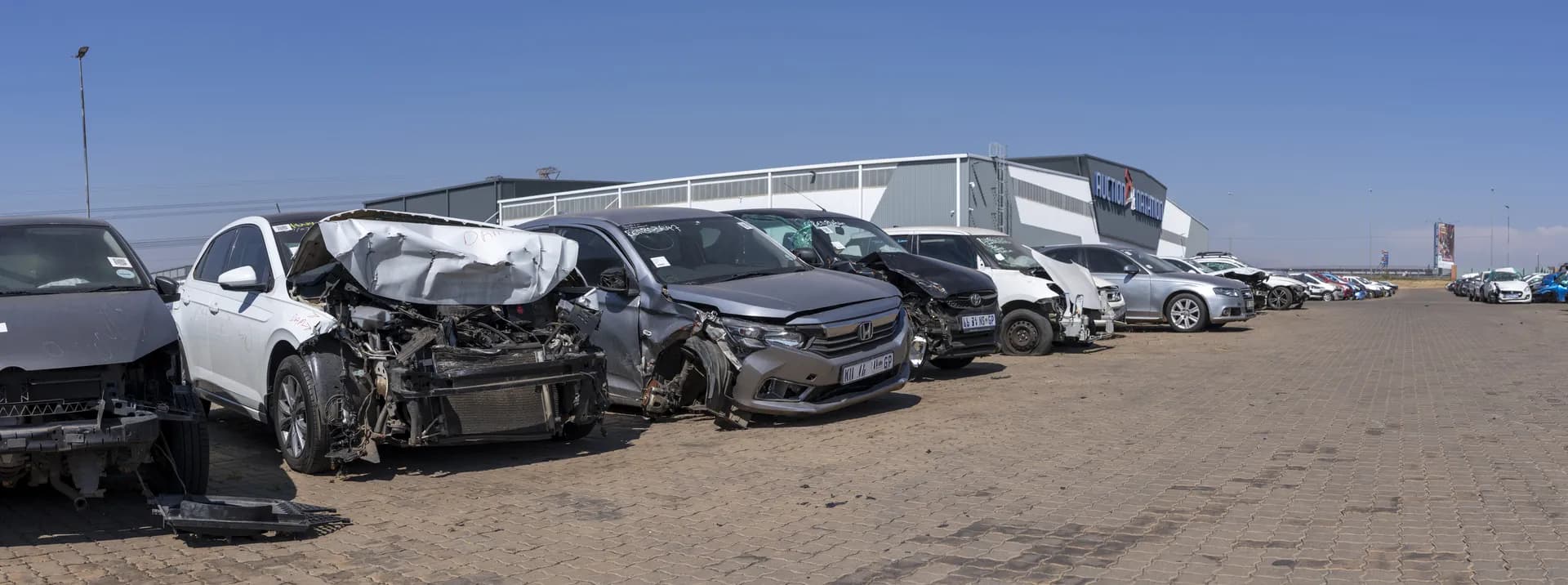
Overview: Deregistering a Total Loss Vehicle in Gauteng
If your vehicle has been declared a total loss-whether due to severe accident damage, flooding, fire, or serious mechanical failure-you're required by South African law to deregister it. Deregistration protects you from future liability, ensures your vehicle is removed from the national register, and is essential when selling to salvage or scrap buyers, such as Sell Your Damaged Car. This guide explains every step, including documentation and local requirements for Gauteng residents, and provides expert tips to avoid common pitfalls.
When Must You Deregister a Total Loss?
- The vehicle is written-off by your insurer following an accident.
- The repairs exceed the car's insured or market value.
- The car is permanently unfit to be driven-severe chassis/frame or water damage, irreparable engine fire, etc.
Under the National Road Traffic Act, you must notify the licensing authority within 21 days of permanent loss or destruction. Failing to deregister may lead to ongoing licensing fees, fines, and even legal complications.
Deregistration vs Ordinary Transfer: Key Differences
| Process | Deregistration | Ownership Transfer |
|---|---|---|
| Purpose | Permanently remove vehicle from the register (scrap/salvage/written-off) | Change legal ownership for continued use |
| Documentation | NaTIS Notification of Deregistration (Form NCP), police clearance if required, proof of destruction | NaTIS Change of Ownership (Form NCO), proof of sale |
| Typical Use Case | Total loss, salvage, scrap, export, destruction | Private party sales, trade-in at dealer |
Legal Steps for Deregistration in Gauteng
- Report the total loss to your insurer and request a confirmation letter if claimed, or get a salvage receipt (if selling directly).
- Gather required documentation: identity document, vehicle registration certificate, confirmation of total loss, Form NCP (Notification of Change of Particulars/Deregistration).
- Visit your nearest Gauteng licensing office-many now require online booking via the NaTIS Online Portal.
- Submit all paperwork. If the car was stolen or written-off in suspicious circumstances, a police clearance may be needed.
- Request official confirmation of deregistration for your records and, if required, your insurer or buyer.
Most reputable salvage buyers, like Sell Your Damaged Car, handle paperwork-including NaTIS deregistration-on your behalf with minimal input from you as the owner. Always confirm this before handing over your vehicle.
Common Mistakes and How to Avoid Them
- Delaying notification: Late deregistration can trigger penalties or licensing fees.
- Missing documentation: Lack of the original registration certificate or a valid ID slows the process.
- Incorrect paperwork: Make sure all forms are properly filled, and supporting destruction/salvage proof attached.
- Selling before deregistration: If you sell to a private party without deregistering, you might remain liable for the vehicle-opt for authorised salvage buyers who manage the full process.
Can You Deregister if the Vehicle Is Still Under Finance?
If your total loss vehicle is still under finance (with a bank or asset finance house), the financier remains the legal owner on NaTIS. In these cases:
- Contact the finance provider to settle and obtain their consent before deregistration.
- Insurers and salvage buyers will generally liaise with banks on settlements and deregistration steps.
Maximise Your Peace of Mind: Choose a Trusted Partner
Deregistering a total loss vehicle can be admin-intensive, especially if you're unfamiliar with NaTIS procedures or licensing offices in Gauteng (including Johannesburg, Pretoria and surrounding areas). Professional services specialising in damaged or salvage vehicles simplify this, often including free documentation handling and even covering NaTIS and police clearance logistics for you. This is part of why opting for a reputable buyer matters.
What Happens After Deregistration?
Once your vehicle is deregistered, it's legally removed from the eNaTIS register and cannot be relicensed for public roads. The salvage buyer can either dismantle, recycle, or sell as spares (where legal). Keep your proof of deregistration for your own records, in case of future queries or disputes regarding road tax or licence fees.
Sources
Seasoned automotive specialists dedicated to helping you turn your damaged or non-running vehicle into cash fast and hassle-free.
Disclaimer: This content is for educational purposes only. Product availability, pricing, and specifications are subject to change. Always verify current details on the retailer's website before making a purchase. We may earn affiliate commissions from qualifying purchases.
Why sell your damaged car to us?

A Division of Auction Nation, the leading expert in selling damaged cars

Best price for your damaged car

Get a cash offer within 24h

We buy damaged cars in any condition

We buy accident- damaged cars still under finance

Free, no obligation offer on your vehicle
How We Calculate Your Damaged Car’s Value
Wondering how we calculate your car’s value? At Sell Your Damaged Car, we look at: Your car’s real condition, its salvage value, and the current market demand. It’s all about honesty, transparency, and fairness — that’s how we determine your offer.
Frequently Asked Questions
Get answers to common questions about Legal And Paperwork
Why Choose Sell Your Damaged Car?
Free Towing
Need a tow? We got you
Hassle Free
Get a cash offer within 24h!
Nationwide
Somewhere remote? No problem!
