
Essential Documents to Sell a Car in Johannesburg: A Complete Guide for 2024
Learn which documents are needed to sell a car in Johannesburg. Get a clear checklist, legal tips, and expert advice-whether your vehicle is damaged, non-running, or financed.
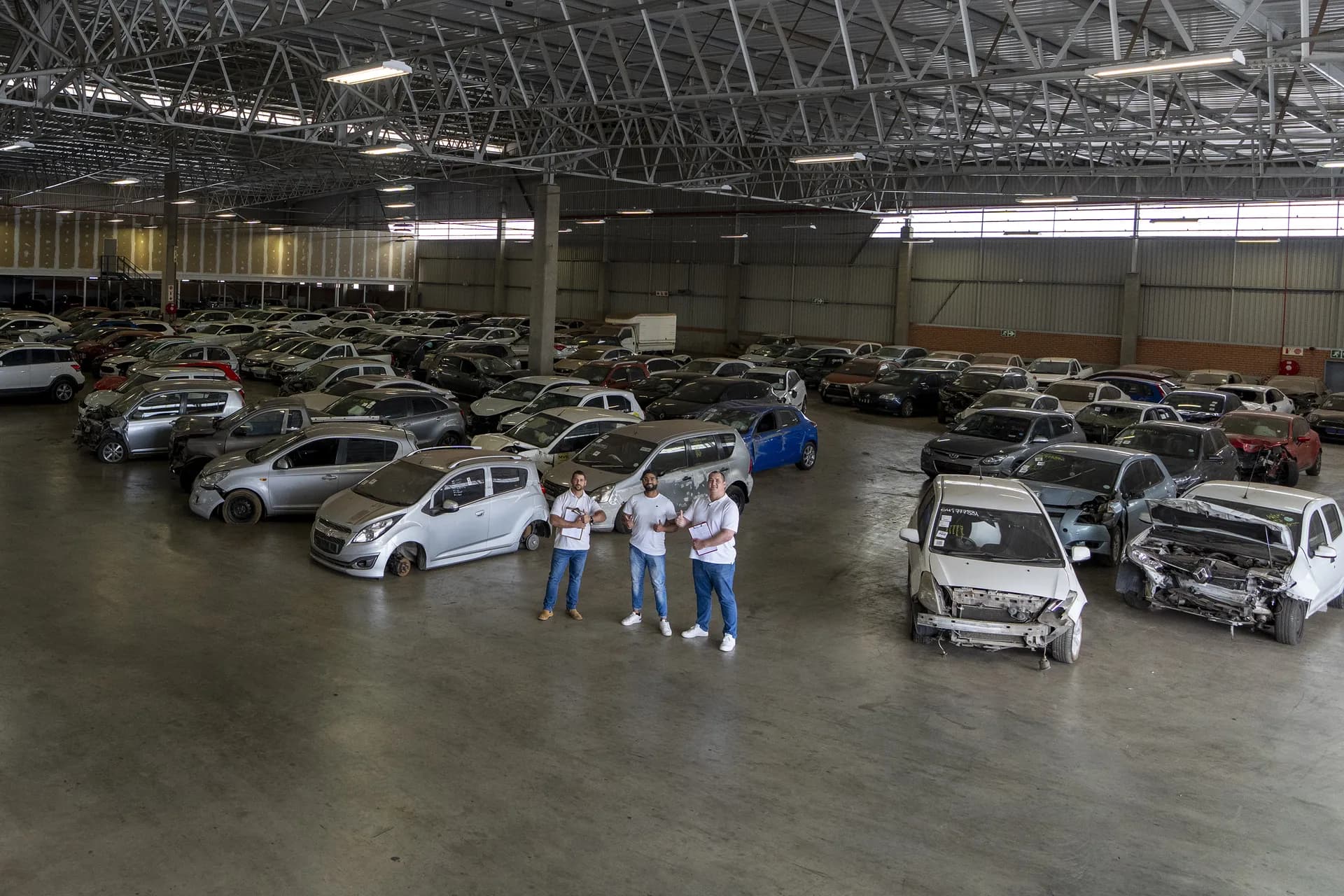
Overview: Why Documentation Matters When Selling a Car in Johannesburg
When selling your car in Johannesburg-especially if it's damaged, non-running, or has been written off-the paperwork is just as important as the vehicle itself. Getting your documents right ensures a legal, hassle-free transfer that protects both seller and buyer from disputes or hidden liabilities. The renewal, deregistration, and change of ownership processes are governed by South African law and enforced by the Gauteng licensing authorities. Ignoring or misunderstanding these requirements can result in penalties or delays in receiving payment.
Key Documents Needed to Legally Sell Your Car
- Vehicle Registration Certificate (NaTIS/RC1): The official proof of ownership-must be the original, not a copy.
- Valid South African ID Document: Green barcoded ID or smart card for individuals; company registration documents for business sellers.
- Notification of Change of Ownership (NCO) Form: Form NCO - Notice of Change of Ownership/Sale of Motor Vehicle-to be submitted within 21 days of sale.
- Proof of Address (Not older than 3 months): Recent utility bill, bank statement, or lease agreement in the seller's name.
- Roadworthy Certificate (if requested): Not legally required for written-off, salvage, or non-running cars, but may be needed for certain buyers or dealerships.
- Settlement Letter (if under finance): If the car is still financed, an official settlement and permission from the finance house is essential.
Legal Insights: Selling Damaged, Non-Running, or Salvage Cars
The process for damaged or accident-written-off vehicles sold for salvage differs slightly. Although a roadworthy certificate is not typically needed when selling to registered salvage buyers like Sell Your Damaged Car, all other core documentation applies. In Johannesburg, deregistration of a permanently unfit vehicle is handled at the local Licencing Department with the Notification of Change of Ownership and supporting paperwork.
| Document | Who Needs It | Where to Get |
|---|---|---|
| NaTIS/RC1 (Registration Certificate) | All sellers | Gauteng DTLC/Licensing office |
| ID Document | Private or company sellers | Home Affairs/Originally issued |
| NCO Form | All sellers | Licensing office/Online |
| Settlement Letter | If under finance | Finance house/bank |
Understanding Transfer & Deregistration in Gauteng
In Gauteng, including Johannesburg, sellers must submit the NCO form within 21 days to avoid legal liability for fines, tolls, or traffic violations occurring after the sale. For non-runners and salvage cars, an additional deregistration declaration might be required if the vehicle won't return to the road. Retain certified copies of all documents submitted and proof of submission for your own records.
Step-by-Step Process: Selling Your Car with the Correct Documentation
- Gather the required documents, ensuring originals are on hand (especially NaTIS/RC1 certificate and your ID).
- If settling finance, request a settlement letter and obtain written permission from the bank or finance house before proceeding.
- Complete the NCO form (Notice of Change of Ownership) and ensure the buyer also fills in their details.
- Provide proof of address and, if needed, a roadworthy certificate (roadworthy typically applies if the new owner wants to register the car for regular road use).
- Hand over all paperwork to the buyer and retain photocopies or scanned versions for yourself.
- Visit your nearest licensing office, or use available online services, to submit your NCO and any deregistration forms.
- Request written confirmation or stamped receipts to confirm you have formally notified authorities of the change in ownership or deregistration.
Pro Tips to Avoid Delays or Rejections
- Double-check that all forms are fully completed and the VIN/chassis numbers on documents match your vehicle.
- Do not sign a blank NCO form; ensure all buyer details are filled in before you sign.
- If selling to a salvage buyer like Sell Your Damaged Car, notify your insurance provider and clarify the intended final status of the vehicle.
- If you've lost your NaTIS/RC1 certificate, apply for a duplicate before starting the sale process.
- Always hand over keys and remotes together with the documentation to avoid disputes.
Table: Paperwork Required - Scenarios
| Scenario | Required Paperwork | Special Notes |
|---|---|---|
| Private Sale - Running Vehicle | All core docs including roadworthy certificate | Buyer registers and licenses in their name |
| Private Sale - Non-Runner | Core docs; roadworthy not required for salvage/non-use | Deregistration recommended if never to return to road |
| Sale to a Car-Buying Service | Core docs; settlement letter if under finance | Buyer (company) handles deregistration and paperwork |
| Written-Off/Salvage | Core docs; possible deregistration declaration | Confirm with buyer and licensing authority |
What Happens After the Sale?
Once all documentation has been submitted and the car collected (especially by a service offering free towing and admin help), you should receive written confirmation of the transfer or deregistration. Always check your record on the NaTIS Online Portal a few days after sale to confirm the vehicle is no longer in your name. Keep all receipts and proof for at least 12 months, particularly if the vehicle was written off or destined for salvage. For more information on safe selling and full paperwork help, see our guides on selling non-running cars and selling damaged cars.
Sources
Seasoned automotive specialists dedicated to helping you turn your damaged or non-running vehicle into cash fast and hassle-free.
Disclaimer: This content is for educational purposes only. Product availability, pricing, and specifications are subject to change. Always verify current details on the retailer's website before making a purchase. We may earn affiliate commissions from qualifying purchases.
Why sell your damaged car to us?

A Division of Auction Nation, the leading expert in selling damaged cars

Best price for your damaged car

Get a cash offer within 24h

We buy damaged cars in any condition

We buy accident- damaged cars still under finance

Free, no obligation offer on your vehicle
How We Calculate Your Damaged Car’s Value
Wondering how we calculate your car’s value? At Sell Your Damaged Car, we look at: Your car’s real condition, its salvage value, and the current market demand. It’s all about honesty, transparency, and fairness — that’s how we determine your offer.
Frequently Asked Questions
Get answers to common questions about Legal And Paperwork
Why Choose Sell Your Damaged Car?
Free Towing
Need a tow? We got you
Hassle Free
Get a cash offer within 24h!
Nationwide
Somewhere remote? No problem!
