
What to Do With a Written-Off Car Registration Certificate in South Africa
Learn how to handle a written-off car registration certificate in South Africa. Find out about deregistration, surrender requirements, paperwork, and legal steps to avoid liability.
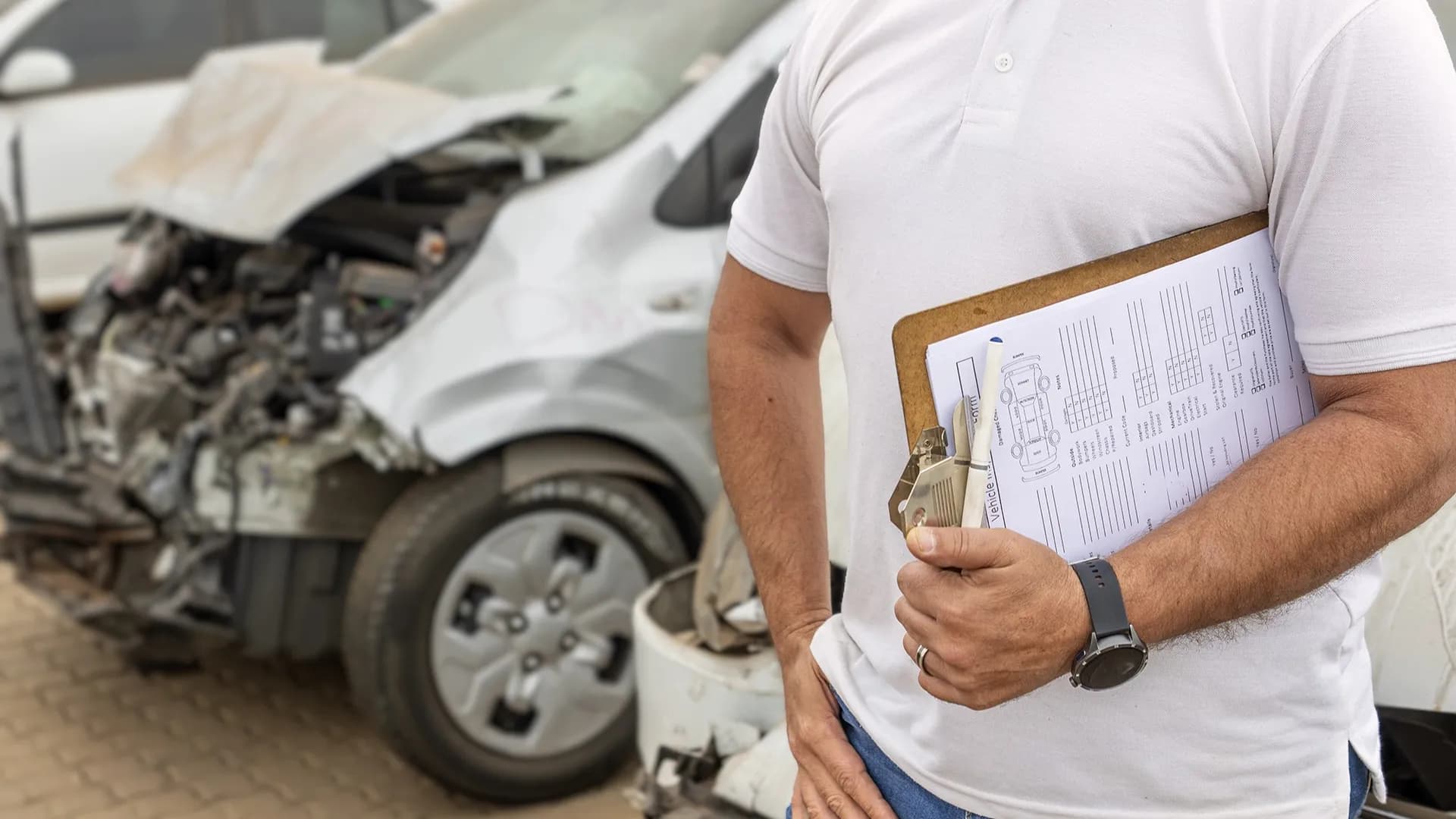
Overview: Written-Off Cars and Their Registration Certificates
If your car in South Africa has been declared a total loss (written off) after an accident or major damage, you need to handle the registration certificate correctly. This isn't just a formality-proper paperwork protects you from future liability and ensures compliance with the law. The registration certificate (commonly known as the RC1) is the official proof of ownership and the car's legal status. Once your insurer or an assessment centre has deemed your vehicle a write-off, the next steps regarding the registration certificate are crucial.
When Is a Vehicle Considered 'Written Off'?
- Collision or accident damage where repair costs exceed the vehicle's market value.
- Severe flood, fire, or mechanical failure rendering the car uneconomical to fix.
- Insurer formally declares the vehicle a total loss and issues settlement.
Do You Have to Deregister a Written-Off Car?
In South Africa, if a car is written off and will not return to road use, the owner is required to deregister it for demolition or scrap with the relevant licensing authority. The process involves surrendering the registration certificate and completing forms such as the Notice of Change of Ownership/Sale (NCO) and the Application for Deregistration (ADV).
Key Steps for Handling a Written-Off Car's Registration Certificate
- Obtain written notification from your insurer or assessment centre declaring the car a total loss.
- Prepare your registration certificate (RC1), ID, proof of address, and settlement confirmation (if applicable).
- Complete the necessary government forms: NCO and ADV.
- Submit all documents to your local licensing authority or municipal traffic department.
- The department will mark the car as demolished, scrapped, or permanently unfit for use; the registration certificate is retained by licensing.
Legal Considerations and Paperwork Explained
Deregistering a written-off car ensures you're no longer liable for licence fees or traffic fines linked to the vehicle. Failure to handle the registration certificate properly can result in ongoing charges, even if the car is no longer in your possession. In some cases, not deregistering can also complicate future vehicle transactions or insurance claims. If your car is under finance, coordinate with your bank or finance provider, as the registration certificate may be held by them until a settlement is made.
| Scenario | What to Do With RC1 | Authority Involved |
|---|---|---|
| Insurer writes off car, pays out | Surrender certificate to insurer or licensing | Insurer/licensing department |
| Owner scraps/demolishes | Hand in at licensing office with ADV | Licensing department |
| Sell as salvage/parts | Transfer registration to buyer then deregister | Licensing, buyer |
Tips for a Smooth Deregistration Process
- Bring all supporting documents and copies to the licensing authority.
- If using a car-buying service like Sell Your Damaged Car, they typically handle paperwork and arrange free nationwide towing.
- Clarify who will deregister if selling to a salvage buyer-ensure it is done promptly.
- Keep proof of deregistration for your records to avoid future legal issues.
After Submission: What Happens Next?
Once processed, the licensing department updates the vehicle's status. You are relieved of all future obligations for the car. If you're selling the salvage, the new owner will register as a salvage entity or scrap dealer, and the RC1 will be cancelled or altered accordingly. For future transactions or if you're considering selling a non-running or written-off vehicle, consult resources such as our "Sell Non-Running Car" or "Sell Damaged Cars" guides for detailed procedures.
Sources
Seasoned automotive specialists dedicated to helping you turn your damaged or non-running vehicle into cash fast and hassle-free.
Disclaimer: This content is for educational purposes only. Product availability, pricing, and specifications are subject to change. Always verify current details on the retailer's website before making a purchase. We may earn affiliate commissions from qualifying purchases.
Why sell your damaged car to us?

A Division of Auction Nation, the leading expert in selling damaged cars

Best price for your damaged car

Get a cash offer within 24h

We buy damaged cars in any condition

We buy accident- damaged cars still under finance

Free, no obligation offer on your vehicle
How We Calculate Your Damaged Car’s Value
Wondering how we calculate your car’s value? At Sell Your Damaged Car, we look at: Your car’s real condition, its salvage value, and the current market demand. It’s all about honesty, transparency, and fairness — that’s how we determine your offer.
Frequently Asked Questions
Get answers to common questions about Legal And Paperwork
Why Choose Sell Your Damaged Car?
Free Towing
Need a tow? We got you
Hassle Free
Get a cash offer within 24h!
Nationwide
Somewhere remote? No problem!
