
How EVs Will Change Salvage Yards in South Africa: What Owners Need to Know
Learn how electric vehicles are transforming salvage yards in SA. Discover key legal, safety, and market changes-for owners of damaged or written-off EVs.
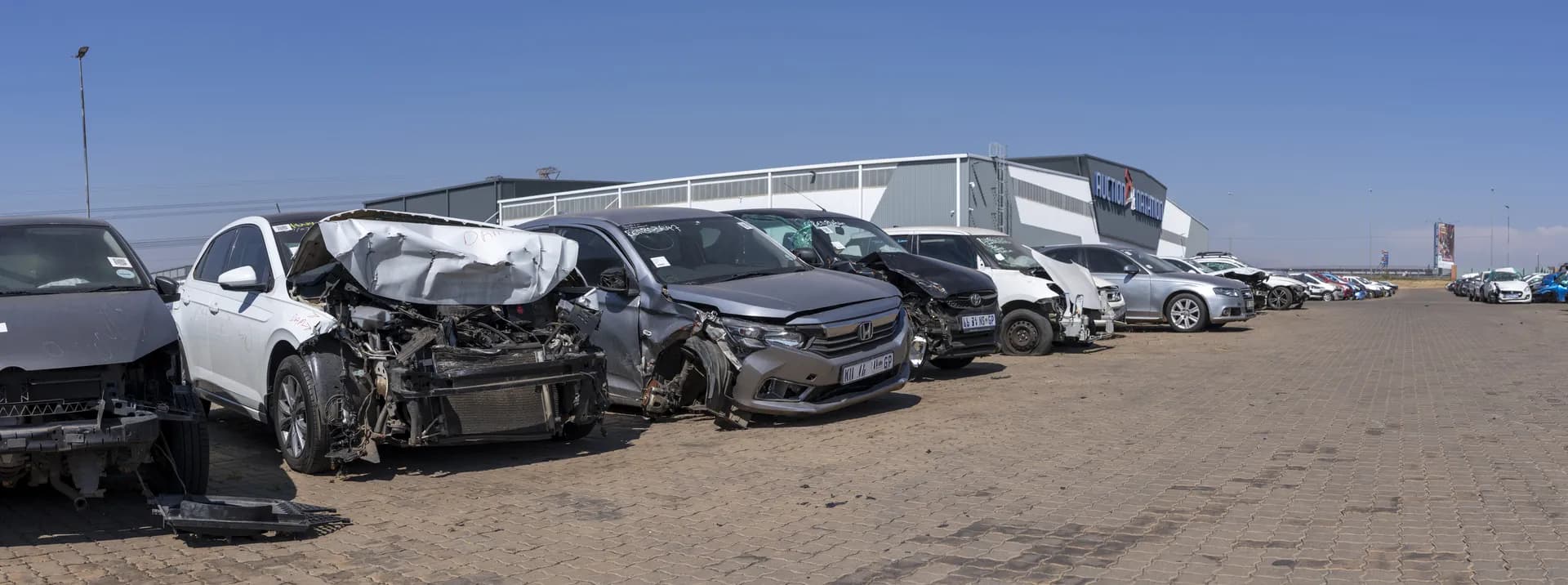
Overview: The Rise of EVs and Salvage in SA
Electric vehicles (EVs) are becoming increasingly common on South African roads, from metro hubs like Johannesburg and Cape Town to the broader national market. While most of the current vehicle parc remains petrol or diesel, growing adoption of EVs is already influencing the automotive ecosystem-including salvage yards. If you own a damaged, non-running, or accident-written-off vehicle, especially as EVs begin hitting end-of-life in greater volumes, it's important to understand how these shifts impact your options and the value of your car.
How Do Salvage Yards Work-and What's Changing?
Salvage yards (sometimes called "scrap yards" or "auto recyclers") have long played a vital role in the South African automotive economy by buying, dismantling, and recycling damaged vehicles. They extract usable parts, handle deregistration paperwork, and recycle metals. But EVs introduce new materials, safety protocols, and opportunities for value extraction-especially with high-voltage batteries and electric drivetrain components that differ sharply from conventional vehicles.
Repair or Sell? EV-Specific Considerations
With EVs, owners often face different repair-versus-sell calculations compared to petrol or diesel vehicles. Severe battery or electronic system damage may make repair impractical, given the high cost of replacement parts and the smaller pool of specialist workshops. On the other hand, certain EV parts-like undamaged battery modules, electric motors, or control units-can fetch strong prices in the secondary or export market.
| Repair Scenario | Estimated Cost (R) | Value Retained |
|---|---|---|
| Minor bodywork (non-battery) | R10,000 - R30,000 | Moderate-high |
| Main battery replacement | R70,000 - R250,000 | Low-moderate |
| High-voltage electronics (inverter/charger) | R20,000 - R60,000 | Moderate |
Costs shown are typical market estimates; actual repair vs retained value varies by EV model and part availability in SA. With such high repair costs, many insurance write-offs and private owners opt for salvage sales instead.
The EV Disassembly Process: Key Differences
Dismantling an electric vehicle is substantially different from a standard internal combustion model. Here are some key elements currently shaping South African salvage yards as they adapt:
- Specialist staff training to safely isolate and remove HV batteries.
- Compliance with hazardous material transport and recycling laws for lithium batteries (regulated by draft DFFE guidelines and SANS standards).
- New demand for EV-specific parts, such as battery modules, inverters, e-motors, and control electronics.
- Investment in insulated tools and protective gear, raising operational costs for dismantlers.
As a result, damaged or written-off EVs may be valued differently by salvage yards compared to their petrol/diesel counterparts, often depending on the battery's condition, accessibility, and residual market demand.
Legal and Paperwork Shifts: What Sellers Should Expect
South African authorities require the deregistration of all salvage vehicles, including EVs, after a total-loss accident or when sold for dismantling. For EVs, additional documentation related to battery disposal, hazardous material handling, and even possible export controls are increasingly in focus. Owners must ensure their chosen salvage yard or buying service has the proper licensing to process electric vehicles in compliance with national environmental legislation.
How EV Components Influence Offers
| EV Damage Type | Typical Impact on Offer |
|---|---|
| Undamaged HV battery | High positive (core resale value) |
| Battery module damage | Moderate-major reduction in offer |
| Motor/electronics damage | Moderate reduction; may still have resale value |
| Flood/fire total loss | Major reduction; possible hazardous waste costs |
Compared to ICE vehicles, an EV's salvage value is more closely linked to its core battery status and the resale demand for specific, hard-to-find electric drivetrain parts.
Tips for South African EV Owners
- Ask the buying service or salvage yard about their EV dismantling credentials and battery recycling partners.
- Photograph key EV components and note any repair or replacement history.
- Gather service records and battery health reports if available, as these can strengthen your negotiating position.
- Expect more paperwork relating to hazardous material and national deregistration - reputable services (like Sell Your Damaged Car) handle this for you.
What Happens After Collection?
Once a damaged electric vehicle is collected in South Africa, it will typically be processed by a specialist. Usable parts are refurbished or resold, while batteries are removed and routed through regulated recycling or repurposing channels. Metals and low-voltage systems follow existing recycling streams. As the volume of EVs grows, so will the formalisation and sophistication of these processes, driving up both environmental compliance and potential returns for sellers.
South African Context: EV Salvage Trends
The local salvage industry is adapting fast-but owners should prioritise transparency, compliance, and reputable operators. Always check buyer credentials. As the market matures, expect clearer standards and fairer offers for end-of-life electric vehicles nationwide, regardless of make or condition.
Sources
- Sell Damaged Cars - Process and FAQ
- Draft Guidelines: Safe Management of End-of-Life Batteries, DFFE South Africa
- National Guidelines for EV Battery Recycling, National Environmental Management: Waste Act
- How Electric Vehicles Impact the SA Aftermarket - EV Africa
- Department of Energy - Electric Vehicles Policy Info
Seasoned automotive specialists dedicated to helping you turn your damaged or non-running vehicle into cash fast and hassle-free.
Disclaimer: This content is for educational purposes only. Product availability, pricing, and specifications are subject to change. Always verify current details on the retailer's website before making a purchase. We may earn affiliate commissions from qualifying purchases.
Why sell your damaged car to us?

A Division of Auction Nation, the leading expert in selling damaged cars

Best price for your damaged car

Get a cash offer within 24h

We buy damaged cars in any condition

We buy accident- damaged cars still under finance

Free, no obligation offer on your vehicle
How We Calculate Your Damaged Car’s Value
Wondering how we calculate your car’s value? At Sell Your Damaged Car, we look at: Your car’s real condition, its salvage value, and the current market demand. It’s all about honesty, transparency, and fairness — that’s how we determine your offer.
Frequently Asked Questions
Get answers to common questions about Damage Types
Why Choose Sell Your Damaged Car?
Free Towing
Need a tow? We got you
Hassle Free
Get a cash offer within 24h!
Nationwide
Somewhere remote? No problem!
