
De-fleeting Service Benefits for Businesses in South Africa
Discover how de-fleeting (selling retired or damaged fleet vehicles) saves South African businesses time and money, simplifies paperwork and provides nationwide collection options.
Overview: What is de-fleeting and why it matters
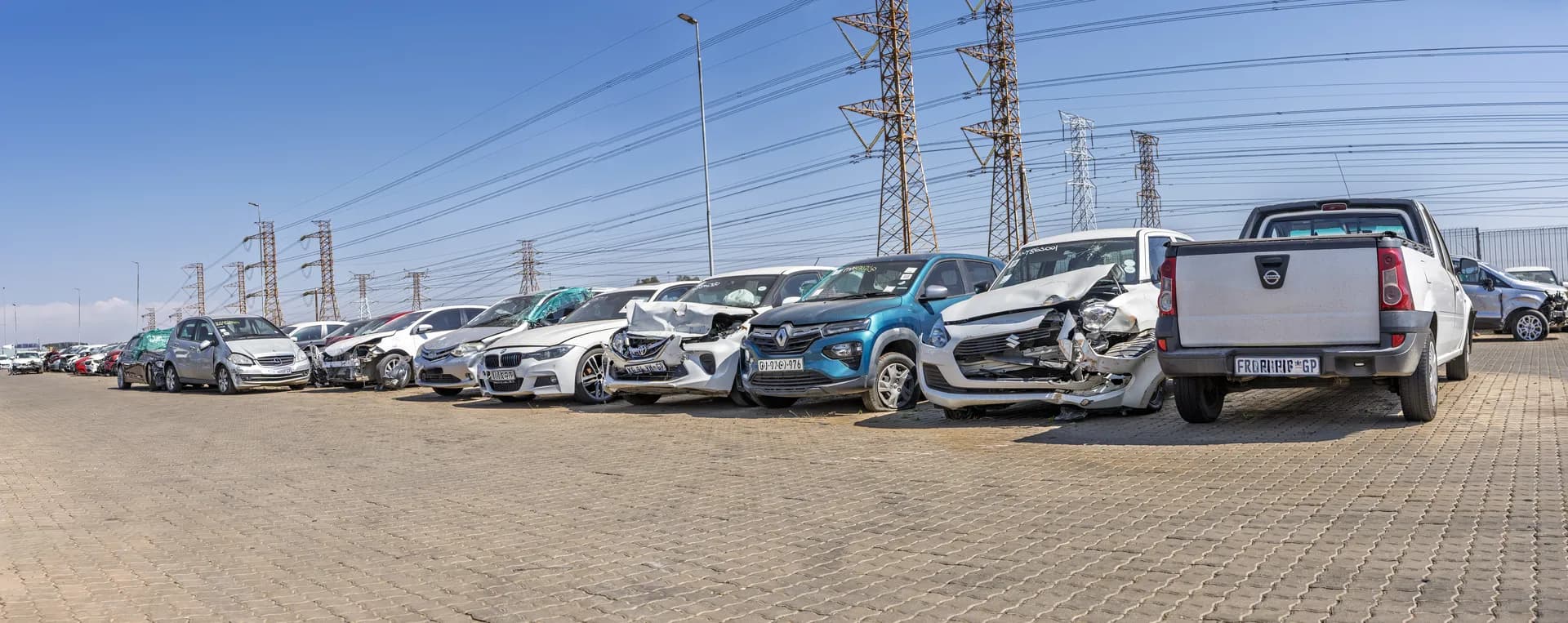
De-fleeting is the organised process of removing vehicles from a company fleet - whether they are end-of-life, accident-damaged, non-running, or surplus to requirements. For businesses in Johannesburg, Cape Town, Durban and beyond, a structured de-fleeting approach turns ageing or damaged vehicles into recoverable cash, reduces storage and maintenance overheads, and streamlines regulatory obligations such as deregistration.
Typical situations that trigger de-fleeting
- Lease returns and contract expiries.
- Accident-written-off or flood/fire-damaged vehicles.
- Non-running vehicles with high repair costs relative to residual value.
- Fleet rationalisation after business restructuring or downsizing.
When to sell vs repair for fleet vehicles
Deciding whether to repair a fleet vehicle or remove it from service depends on repair cost, downtime, expected remaining life, insurance status, and the administrative burden. For many businesses, particularly with older models or significant accident damage, selling (de-fleeting) is the more efficient choice because it reduces recurring costs and administrative complexity.
| Factor | When to Repair | When to Sell / De-fleet |
|---|---|---|
| Repair cost vs vehicle value | Repair cost < 30% of market value | Repair cost > 50% of market value or uncertain ROI |
| Downtime impact | Short downtime manageable | Extended downtime harms operations |
| Administrative burden | Minimal paperwork | High paperwork; prefer third-party handling |
South Africa-specific note
In SA, logistics and paperwork vary across provinces. Choosing a nationwide de-fleeting partner reduces delays from inter-city collection (Johannesburg, Cape Town, Durban) and helps with deregistration and transfer admin that can otherwise tie up resources.
Quick consideration: For fleets with multiple end-of-life vehicles, batching de-fleeting can lower per-vehicle logistics and improve overall cash recovery.
How a professional de-fleeting service works
A structured de-fleeting service manages valuation, collection, paperwork and payment so your team can focus on operations. The typical steps are:
- Provide vehicle data and photos or grant on-site inspection;
- Receive transparent, condition-based offers per vehicle or per lot;
- Accept offers and schedule coordinated collection (free towing options available with some providers);
- Provider completes paperwork - including transfer or deregistration steps where required - and releases payment.
Example: fleet de-fleeting timeline
A mid-size business in Durban with 12 retired vehicles can expect: valuation within 48 hours, coordinated collection over 1-3 business days, paperwork finalised within 5-10 business days depending on vehicle status and finance checks.
Legal & paperwork considerations for South African fleets
De-fleeting often involves deregistration, transfer of ownership and, where a vehicle is under finance, settlement with the finance house. Ensure your process covers:
- Checking outstanding finance and obtaining clearance where required;
- Completing transfer forms and proof of identity/business documentation;
- Handling de-registration for written-off or salvage vehicles if applicable.
| Situation | What the business should check |
|---|---|
| Vehicle under finance | Obtain settlement figure; confirm buyer will liaise with the finance company. |
| Written-off or salvage status | Ensure correct disclosure and deregistration where applicable. |
Tips to maximise returns when de-fleeting
Practical steps can increase net recovery during de-fleeting while keeping admin light:
- Batch vehicles to reduce per-unit collection costs and negotiate volume pricing.
- Provide clear photos and accurate damage descriptions to avoid post-offer adjustments.
- Keep service and ownership records handy to support valuation.
- Confirm how the buyer handles vehicles under finance to avoid settlement delays.
Damage types vs typical offer impact (illustrative)
| Damage Type | Typical Impact on Offer |
|---|---|
| Minor panel damage | Low impact if mechanicals are intact |
| Structural/frame damage | Significant reduction due to repair complexity |
| Flood or fire damage | Major reduction; often sold for parts or salvage |
What happens after collection
After vehicles are collected, the buyer typically completes any remaining checks, finalises transfer or deregistration paperwork, and settles payment. Processing time can vary; businesses should confirm payment timing and documentation handover before collection.
Operational example (South African SME)
A Cape Town landscaping company retiring six older bakkies used a de-fleeting partner that provided online valuation, arranged simultaneous towing, handled transfer documents and paid into their business account within five business days. The company saved on storage, towing and time spent negotiating separate private sales.
Further resources and internal guidance
For businesses looking to explore de-fleeting options, compare providers on their nationwide coverage, towing terms (look for free towing options), paperwork support, experience with financed vehicles and transparency in offers. For related services and guidance see our Sell Non-Running Car and Sell Damaged Cars pages and review best practice on How to Avoid Being Scammed resource.
Sources
- Government of South Africa - Official portal for transport and vehicle-related services (gov.za)
- South African Revenue Service - Business taxation and asset disposal guidance (sars.gov.za)
- Sell Your Damaged Car - Sell Damaged Cars service page
- Sell Your Damaged Car - Sell Non-Running Car service page
Seasoned automotive specialists dedicated to helping you turn your damaged or non-running vehicle into cash fast and hassle-free.
Disclaimer: This content is for educational purposes only. Product availability, pricing, and specifications are subject to change. Always verify current details on the retailer's website before making a purchase. We may earn affiliate commissions from qualifying purchases.
Why sell your damaged car to us?

A Division of Auction Nation, the leading expert in selling damaged cars

Best price for your damaged car

Get a cash offer within 24h

We buy damaged cars in any condition

We buy accident- damaged cars still under finance

Free, no obligation offer on your vehicle
How We Calculate Your Damaged Car’s Value
Wondering how we calculate your car’s value? At Sell Your Damaged Car, we look at: Your car’s real condition, its salvage value, and the current market demand. It’s all about honesty, transparency, and fairness — that’s how we determine your offer.
Frequently Asked Questions
Get answers to common questions about Selling Guides
Why Choose Sell Your Damaged Car?
Free Towing
Need a tow? We got you
Hassle Free
Get a cash offer within 24h!
Nationwide
Somewhere remote? No problem!
