
Accident Fleet Vehicles Valuation in South Africa - Guide for Fleet Managers
Learn how to value accident-damaged fleet vehicles in South Africa, compare repair vs salvage, standardise valuations and manage nationwide disposal and paperwork.
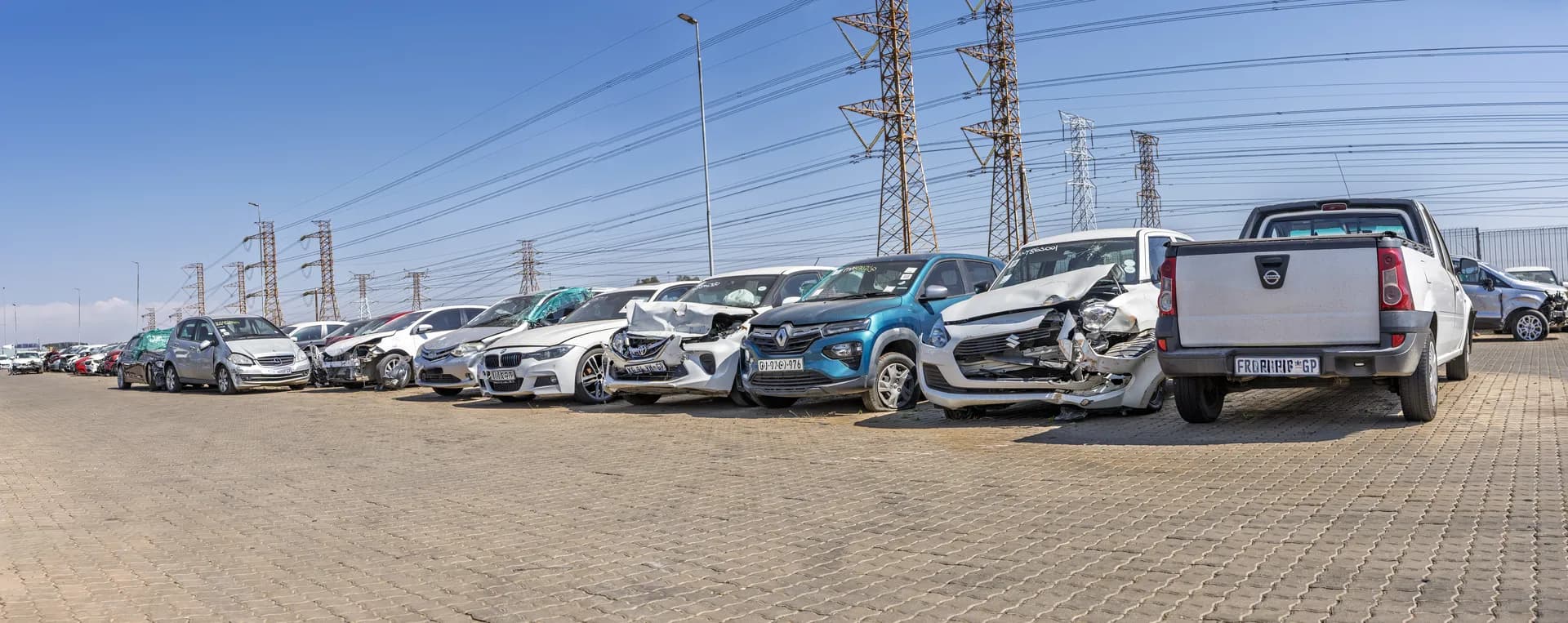
Overview: Why Accurate Valuation Matters for Fleets
Accident fleet vehicles valuation in South Africa is a critical task for fleet owners, insurers and fleet managers. Accurate valuations determine whether to repair, claim, or sell a vehicle as salvage; they affect insurance recoveries, replacement costs and fleet availability. This guide explains the factors that influence valuations for accident-damaged fleet vehicles, practical valuation methods, and how Sell Your Damaged Car's nationwide service can simplify disposal when selling is the best option.
Primary valuation drivers
- Extent and type of damage (structural, mechanical, cosmetic, flood or fire).
- Vehicle age, make, model and mileage.
- Repair cost estimates vs current market value.
- Vehicle history: prior accidents, service records and fleet usage.
- Salvage demand and parts value in South African markets.
Who uses a valuation?
- Fleet managers deciding repair or replace policies.
- Insurance adjusters assessing write-offs and settlements.
- Accountants recording fleet asset impairment or disposal.
- Used parts buyers and salvage yards determining bid amounts.
When to repair a fleet vehicle vs sell as salvage
For fleet operators, the decision to repair an accident vehicle or to sell it depends on a comparison of repair costs, downtime impact and ongoing reliability. Use a structured approach: estimate total out-of-service time and repair expense, compare against replacement cost and residual value after repair, and factor in safety and regulatory considerations.
Repair vs sell checklist
- Get a written repair estimate from an accredited workshop.
- Estimate downtime cost (driver wages, rental or lost revenue).
- Check if the vehicle is under finance - settling finance is often required before transfer.
- Consider long-term reliability and remaining service life post-repair.
| Scenario | When repair makes sense | When selling/salvage makes sense |
|---|---|---|
| Minor structural/cosmetic damage | Repair cost < 30% of market value; quick turnaround | If downtime causes significant revenue loss |
| Major frame or flood damage | Rarely - only if replacement parts and skilled repair are economical | Often sold as salvage due to safety and resale limits |
| Mechanical failure + accident | If combined repair cost < replacement and fleet needs justify repair | Sell if repair cost approaches or exceeds replacement cost |
South Africa note: Salvage demand for parts varies by region-metros like Johannesburg and Cape Town typically have higher parts demand than remote areas, which can affect offers for accident fleet vehicles.
How the valuation process works for accident fleet vehicles
A robust valuation follows objective steps: inspect, document, estimate repair and net salvage value. For large fleets, standardise the process to reduce variance between vehicles and speed decision-making.
Standard valuation steps
- Photograph all visible damage and odometer reading; record VIN and service history.
- Obtain workshop repair estimate and parts list with costs.
- Assess market value pre-accident using South African trade guides or comparable local listings.
- Estimate salvage value (parts, scrap) and deduct estimated disposal costs.
- Calculate loss: market value minus (repair cost + salvage value + downtime cost).
Valuation formats for fleets
- Per-vehicle valuation report with photos, cost breakdown and recommendation.
- Batch summary report for multiple vehicles showing recommended disposition and cash recovery estimates.
Damage types vs typical offer impact
| Damage Type | Typical impact on valuation | SA considerations |
|---|---|---|
| Cosmetic (panels, paint) | Low to moderate reduction; repairable affordably | Local panel shops in metros reduce repair costs |
| Structural/frame | Major reduction; can be total loss | Stricter safety concerns mean resale options are limited |
| Flood and water | Severe reduction; ongoing electrical issues likely | Vehicles from flood zones require detailed electrical checks |
| Fire-damaged | High reduction; often sold for parts or scrap | Safety-first: many buyers avoid extensive fire damage |
Tips to maximise recovery on accident fleet vehicles
- Keep comprehensive service and usage records to support pre-accident value.
- Document damage promptly with clear photos and statements.
- Get multiple repair estimates and salvage bids to benchmark recovery.
- Consider selling high-demand parts separately if regulations and logistics allow.
- Standardise disposal procedures across your fleet to reduce admin costs and time.
What happens after you decide to sell
If the valuation recommends selling, proceed with a trusted buyer who can collect nationally and handle paperwork. For fleet disposals in South Africa, key post-sale steps include settling any outstanding finance, completing transfer or deregistration paperwork, arranging secure collection and ensuring timely payment.
Practical checklist for disposal
- Confirm finance settlement procedures before transfer.
- Obtain a written sale agreement that lists vehicle condition and included documents.
- Ensure the buyer provides proof of towing arrangements and timing.
- Verify payment method and receipt before releasing the vehicle.
- Keep copies of deregistration or transfer documents for your records.
Practical South Africa scenarios and examples
Example 1: A Johannesburg delivery fleet with a 5-year-old bakkie suffers rear impact. Workshop repair estimate is R55,000. Pre-accident market value is R160,000. After accounting for downtime and reduced resale, valuation may recommend repair if downtime cost is low; if parts demand is high, sale as salvage could be preferable.
Example 2: A Cape Town metropolitan taxi vehicle with flood damage. Flood-damaged electrical systems and interiors make long-term reliability uncertain-valuation often favours salvage sale due to high repair risk and limited resale value.
Sources
- Road Traffic Infringement and vehicle registration guidance (RTIC)
- Financial Sector Conduct Authority (FSCA) - insurance regulation overview
- Transport and logistics industry resources in South Africa
- Sell Damaged Cars - Sell Your Damaged Car service page
- Sell Non-Running Car - Sell Your Damaged Car detailed page
Seasoned automotive specialists dedicated to helping you turn your damaged or non-running vehicle into cash fast and hassle-free.
Disclaimer: This content is for educational purposes only. Product availability, pricing, and specifications are subject to change. Always verify current details on the retailer's website before making a purchase. We may earn affiliate commissions from qualifying purchases.
Why sell your damaged car to us?

A Division of Auction Nation, the leading expert in selling damaged cars

Best price for your damaged car

Get a cash offer within 24h

We buy damaged cars in any condition

We buy accident- damaged cars still under finance

Free, no obligation offer on your vehicle
How We Calculate Your Damaged Car’s Value
Wondering how we calculate your car’s value? At Sell Your Damaged Car, we look at: Your car’s real condition, its salvage value, and the current market demand. It’s all about honesty, transparency, and fairness — that’s how we determine your offer.
Frequently Asked Questions
Get answers to common questions about Vehicle Types
Why Choose Sell Your Damaged Car?
Free Towing
Need a tow? We got you
Hassle Free
Get a cash offer within 24h!
Nationwide
Somewhere remote? No problem!
