
Corporate Fleet Vehicle Disposal Process in South Africa - Practical Guide
Step-by-step corporate fleet vehicle disposal process for South Africa: assessment, valuations, paperwork, VAT considerations and practical tips for fleet managers.
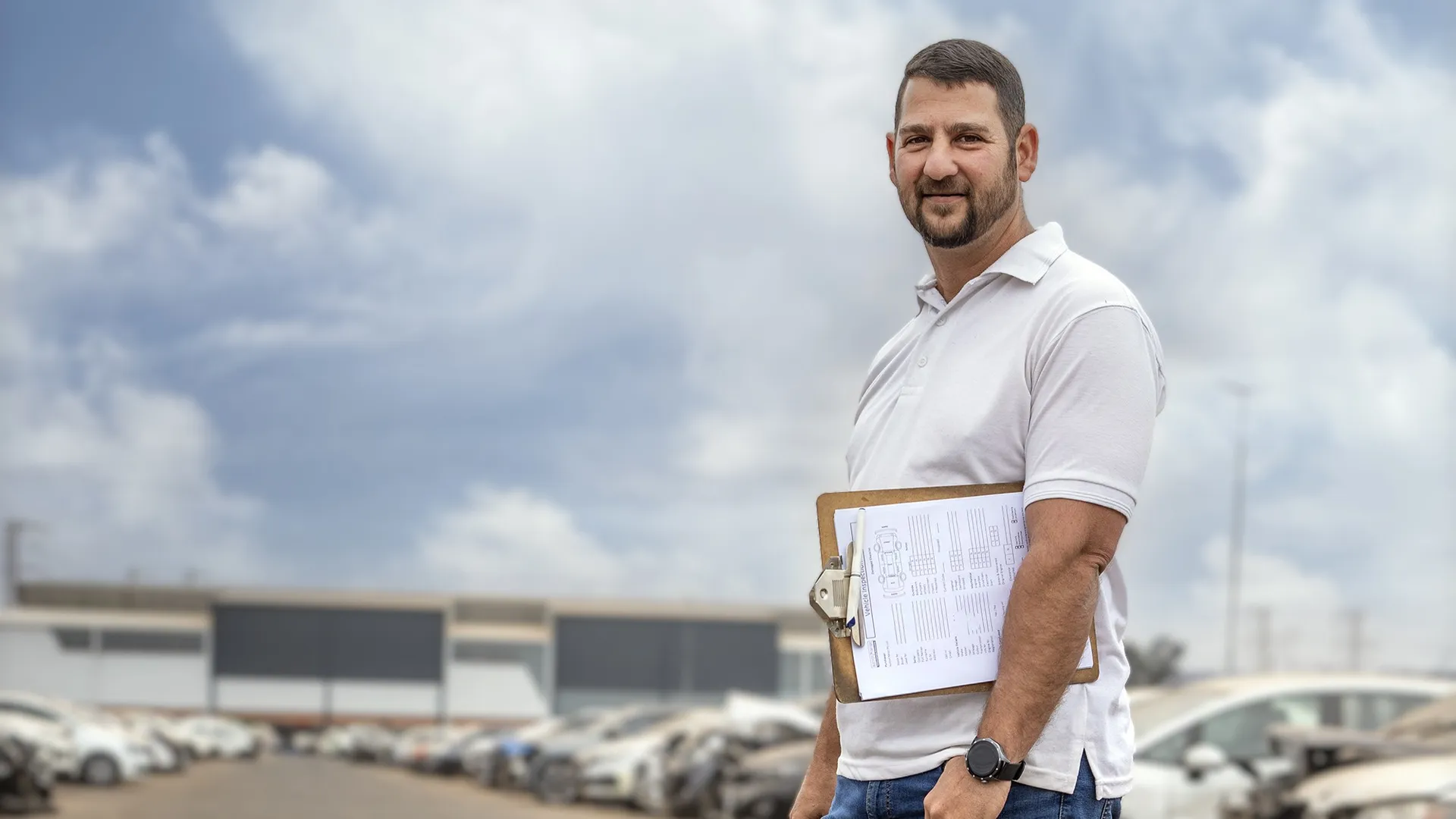
Overview: Why a formal fleet disposal process matters
Large and small fleets face regular turnover, collision losses and mechanical write-offs. A defined corporate fleet vehicle disposal process reduces legal risk, protects company records, ensures VAT/tax compliance, and recovers cash while avoiding unnecessary storage or repair costs. This guide explains the practical steps for South African fleet managers handling damaged, non-running or written-off vehicles and highlights when selling to a specialist buyer is appropriate.
When to sell vs repair
Deciding whether to repair a fleet vehicle or dispose of it depends on repair cost, downtime, residual value and business needs. Use fleet-level thresholds: if repair exceeds a set percentage of market value (commonly 40-60% depending on fleet policy) or if prolonged downtime reduces operational capacity, disposal is often the better option.
| Scenario | Typical action | Notes (South Africa) |
|---|---|---|
| Accident write-off | Dispose to salvage market / specialist buyer | Document insurer settlement; manage deregistration if required. |
| Major mechanical failure | Assess repair vs disposal; sell as non-running if uneconomic | Consider VAT/tax implications if repaired and returned to service. |
| End-of-life / high mileage | Dispose and replace; sell for parts or salvage | Track disposal for asset registers and tax records (R amounts as needed). |
Key stakeholders and roles
- Fleet manager: authorises disposal, retains records and approves sale price range.
- Financial/controller: handles VAT, asset write-off accounting and tax implications.
- Legal & compliance: ensures transfer documentation and deregistration are completed.
- Procurement or approved buyer: selects reputable buyers or salvage partners.
Practical note: keeping a standard disposal checklist speeds audits. Checklist items should include photos, damage report, mileage, keys, service history, proof of company authority and bank details for payment.
How the corporate fleet vehicle disposal process works
A consistent process reduces delay and risk. The core steps below are tailored for South Africa and work whether you sell to a broker, salvage agent or specialist buyer that purchases damaged and non-running vehicles.
Step 1 - Internal assessment and approval
Record the vehicle condition, estimate repair costs and compare against your fleet policy threshold. Obtain sign-off from finance and fleet management to proceed with disposal if repair is uneconomic.
Step 2 - Prepare documentation and photos
Collect vehicle registration papers, service records, insurer correspondence (if applicable), and take clear photos of damage and chassis/VIN. These items speed valuation and reduce disputes during transfer.
Step 3 - Obtain competitive valuations
Request offers from approved buyers or use an online specialist who purchases any-condition vehicles. Compare turnaround time, whether towing is included, who handles paperwork (including deregistration) and payment terms. For faster disposal, prioritise partners offering free towing and full paperwork handling.
Step 4 - Accept offer and complete transfer
Once an offer is accepted, ensure the buyer provides a written sale agreement showing company details, vehicle details, sale amount and collection arrangements. The buyer should handle collection and paperwork; confirm how bank payment and asset write-off will be completed.
Legal & paperwork considerations in South Africa
Corporate disposals must be recorded correctly for audit, VAT and tax. For damaged and written-off vehicles note whether insurer payouts were received and how that affects the disposal accounting. If a vehicle is still registered, use the Registered Owner Transfer process and obtain a receipt of sale. Many specialist buyers offer assistance with deregistration at collection - confirm this in writing.
| Issue | Checklist item | Recommended action |
|---|---|---|
| Vehicle registered to company | Company registration docs, authorised signatory letter | Ensure signatory signs sale documents and retains copies. |
| Vehicle under finance | Finance settlement figure and lender confirmation | Settle finance or arrange lender consent; document settlement on sale paperwork. |
| VAT on disposal | Tax team review, invoice or sale receipt | Record VAT treatment based on company status; keep invoice for SARS audit. |
Tips to maximise recovery and reduce risk
- Document damage clearly and include VIN and odometer photos to avoid valuation disputes.
- Use approved buyers or panel of suppliers to comply with procurement rules and audit trails.
- Confirm inclusion of free towing and paperwork (deregistration/transfer) before accepting offers.
- For fleets, centralise disposal approvals to prevent unauthorised private sales that complicate asset control.
What happens after collection
At collection, ensure the buyer provides a signed receipt listing vehicle details, sale amount and confirmation of possession transfer. Reconcile the payment against the sale invoice and update the asset register and insurance. Keep copies of all paperwork for at least the period required by SARS and company policy (commonly 5-7 years).
Example South African scenario: A Johannesburg-based company decides to dispose of a collision-written-off bakkie. After internal approval, they obtain three quotes, select a specialist buyer that offers free nationwide towing and handles deregistration, accept the offer, and receive payment into the company account on collection day. The finance team records the disposal and updates VAT records accordingly.
Integration with Sell Your Damaged Car and related resources
For fleets that prefer a fast turn-around and minimal logistics, selling to a specialist buyer can simplify the corporate fleet vehicle disposal process. Sell Your Damaged Car provides nationwide collection, paperwork handling (including deregistration assistance) and secure payment for damaged, non-running and written-off vehicles. See our pages for examples and to start a valuation: Sell Non-Running Car, Sell Damaged Cars. For procurement due diligence, consult guidance on avoiding buyer fraud: How to Avoid Being Scammed.
Next steps for fleet managers
- Create a disposal policy with monetary thresholds and approval workflows.
- Maintain an approved-supplier list of specialist buyers who provide free towing and handle paperwork.
- Train staff to collect required photos and documents at the incident scene to speed valuations.
- Retain sale records and reconciliation documents for SARS and internal audit requirements.
Sources
Seasoned automotive specialists dedicated to helping you turn your damaged or non-running vehicle into cash fast and hassle-free.
Disclaimer: This content is for educational purposes only. Product availability, pricing, and specifications are subject to change. Always verify current details on the retailer's website before making a purchase. We may earn affiliate commissions from qualifying purchases.
Why sell your damaged car to us?

A Division of Auction Nation, the leading expert in selling damaged cars

Best price for your damaged car

Get a cash offer within 24h

We buy damaged cars in any condition

We buy accident- damaged cars still under finance

Free, no obligation offer on your vehicle
How We Calculate Your Damaged Car’s Value
Wondering how we calculate your car’s value? At Sell Your Damaged Car, we look at: Your car’s real condition, its salvage value, and the current market demand. It’s all about honesty, transparency, and fairness — that’s how we determine your offer.
Frequently Asked Questions
Get answers to common questions about Selling Guides
Why Choose Sell Your Damaged Car?
Free Towing
Need a tow? We got you
Hassle Free
Get a cash offer within 24h!
Nationwide
Somewhere remote? No problem!
