
How to Sell Non-Running Fleet Vehicles Fast in South Africa
A practical South Africa-focused guide for fleet managers: fast workflows, bulk valuation tips, towing and paperwork handling to convert non-running fleet vehicles into cash quickly.
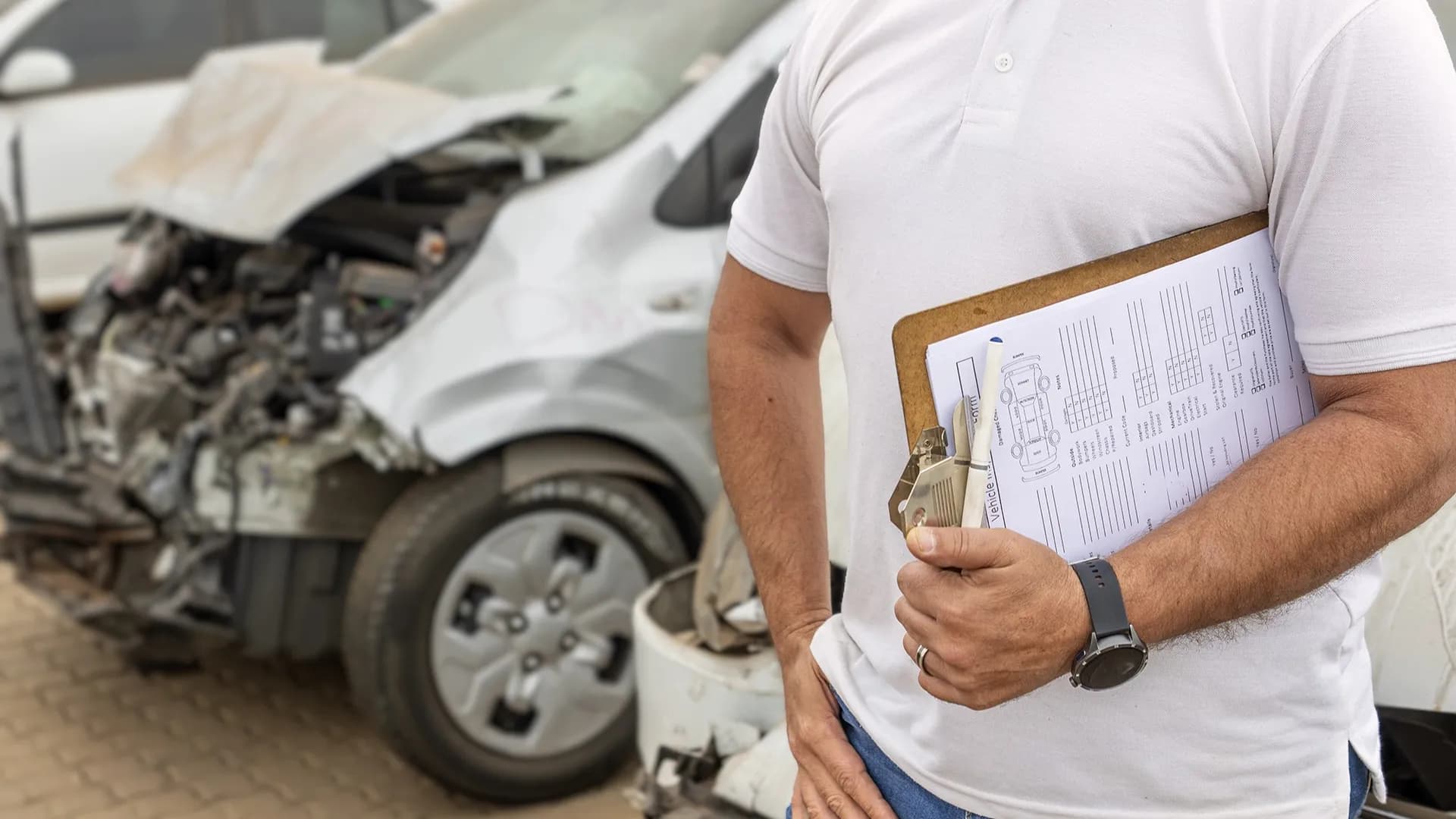
Overview: Why selling non-running fleet vehicles fast matters
When a fleet includes non-running or written-off vehicles, carrying costs, storage risks and administrative burden mount quickly. Selling non-running fleet vehicles fast reduces ongoing costs (storage, insurance, security), frees space, and returns working capital so you can reinvest in replacements. This guide explains a clear, low-risk workflow tailored to South African fleet owners and managers - from valuation triggers to collection, paperwork and payment.
When to choose a quick sale over repair
- Repair cost exceeds a reasonable percentage of replacement value (example thresholds below).
- Vehicle downtime negatively affects operations and uptime matters more than marginal savings.
- Multiple vehicles need disposal and speed reduces logistical complexity and admin backlog.
Repair cost vs retained value (illustrative, SA examples)
| Scenario | Estimated repair cost (R) | Approx. retained value after repair (R) | Decision guide |
|---|---|---|---|
| Minor mechanical, recent model | R8,000 - R25,000 | R80,000 - R150,000 | Repair often sensible if cost <15% of value |
| Major engine/structural | R30,000 - R120,000+ | R60,000 - R120,000 | Consider selling: repair may exceed retained value |
| Written-off / flood / fire | Varies widely | Low; depends on salvage parts value | Sell for salvage or parts |
Pro tip: For fleets, set a standard threshold (for example, repair cost >25% of replacement value) to speed decision-making and avoid case-by-case delays.
How the fast-sales process works for fleets
A streamlined disposal workflow minimises downtime and admin. The typical steps are: prepare vehicle data and photos, get rapid valuations from reputable buyers, accept an offer, arrange collection (towing) and complete paperwork including deregistration where required. Using a specialist buyer that handles collection, paperwork and payment removes operational friction and speeds cash recovery.
Damage types vs typical offer impact
| Damage Type | Typical impact on offer |
|---|---|
| Mechanical failure (non-running) | Lower offer but parts/repairable value remains |
| Structural/accident damage | Significant reduction; salvage value varies with parts demand |
| Flood/fire damage | Offers largely based on parts/scrap value; disclosure essential |
| Missing documentation or under finance | Paperwork issues lower offers or require lender clearance |
For fleets, buyers who accept multiple units and offer free towing and paperwork handling deliver the fastest throughput. On-site inspections can be arranged for large batches but clear photos and accurate descriptions speed initial offers.
Step-by-step: Sell non-running fleet vehicles fast
1. Triage and prioritise
- Group vehicles by repair estimate, legal status (insured/written-off), and location.
- Prioritise high carrying-cost items and vehicles blocking depot space.
2. Prepare accurate listings
Collect VIN/chassis numbers, odometer readings, clear photos (exterior, interior, engine bay, damage close-ups), and basic service history. Accurate descriptions reduce re-quoting and speed offers. For multiple vehicles, prepare a spreadsheet to upload or send to buyers to speed valuations.
3. Choose the right buyer and process
Prefer buyers who: accept any condition fleet units, provide transparent valuations, include free towing nationwide, and handle paperwork such as transfer/deregistration. Using a specialist South African service that lists accepted vehicle types (written-off, flood, fire, non-running) accelerates acceptance.
4. Handle legal & paperwork considerations in SA
- Title/ownership: Ensure the company holds clear title. If a vehicle is under finance, obtain lender consent or provide lender details to the buyer for payout coordination.
- Deregistration and transfer: Confirm whether the buyer will deregister the vehicle or provide documents to complete de-registration with the licensing authority. Buyers that manage this reduce your admin load.
- VAT and accounting: Record the sale correctly for VAT and fleet disposal accounting. For example, record proceeds (R) and remove asset and accumulated depreciation from the books per your accounting policy.
5. Logistics: collection and payment
A reputable buyer offers free towing nationwide (including Johannesburg, Cape Town and Durban regions) and schedules collection to minimise operational disruption. Confirm payment timing - many professional buyers release payment promptly after collection and paperwork verification. For large fleet disposals, negotiate batch collection windows and staged payments if needed.
6. Tips to maximise speed and value
- Consolidate vehicles by location to reduce towing delays and get better bulk offers.
- Provide full, honest descriptions; undisclosed damage discovered later can delay or void offers.
- Remove personal or company items and secure accessories to avoid disputes at collection.
- Use standardised photos and a single spreadsheet template for multiple vehicles to speed valuation.
What happens after collection
After the buyer collects the vehicles, expect paperwork processing (title transfer/deregistration) and payment. Keep copies of signed transfer documents and any collection receipts for your records. For vehicles previously insured, notify the insurer of the disposal to stop premiums and close claims if applicable.
Fleet-specific examples and scenarios
Example A - Single depot with five non-runners: Consolidate the five units, request a bulk valuation, and schedule one collection date. Bulk collection reduces towing time and may yield a faster, cleaner transaction.
Example B - Company with finance-encumbered vehicles: Contact the finance provider early to obtain payout figures and required clearance. Buyers who coordinate lender settlement remove a frequent bottleneck and speed payment.
Sources
- Road Accident Fund & motor insurance guidance for South Africa
- South African Government: vehicle registration and licensing information
- SARS: VAT and disposal guidance for businesses
- Sell Non-Running Car - Sell Your Damaged Car service page
- Sell Damaged Cars - Sell Your Damaged Car service page
For fleet owners preparing to sell multiple non-running vehicles, using a buyer that provides nationwide free towing, bulk valuation, and full paperwork handling is the fastest way to free up capital and reduce operational costs. Accurate vehicle data and early lender engagement (if applicable) are the two most powerful levers to speed disposal.
Seasoned automotive specialists dedicated to helping you turn your damaged or non-running vehicle into cash fast and hassle-free.
Disclaimer: This content is for educational purposes only. Product availability, pricing, and specifications are subject to change. Always verify current details on the retailer's website before making a purchase. We may earn affiliate commissions from qualifying purchases.
Why sell your damaged car to us?

A Division of Auction Nation, the leading expert in selling damaged cars

Best price for your damaged car

Get a cash offer within 24h

We buy damaged cars in any condition

We buy accident- damaged cars still under finance

Free, no obligation offer on your vehicle
How We Calculate Your Damaged Car’s Value
Wondering how we calculate your car’s value? At Sell Your Damaged Car, we look at: Your car’s real condition, its salvage value, and the current market demand. It’s all about honesty, transparency, and fairness — that’s how we determine your offer.
Frequently Asked Questions
Get answers to common questions about Selling Guides
Why Choose Sell Your Damaged Car?
Free Towing
Need a tow? We got you
Hassle Free
Get a cash offer within 24h!
Nationwide
Somewhere remote? No problem!
