
Vehicle History Disclosure Requirements in South Africa: What Sellers Must Know
Learn what needs to be disclosed when selling a damaged vehicle in South Africa. Understand major accident, salvage, and compliance rules for a safe car sale.
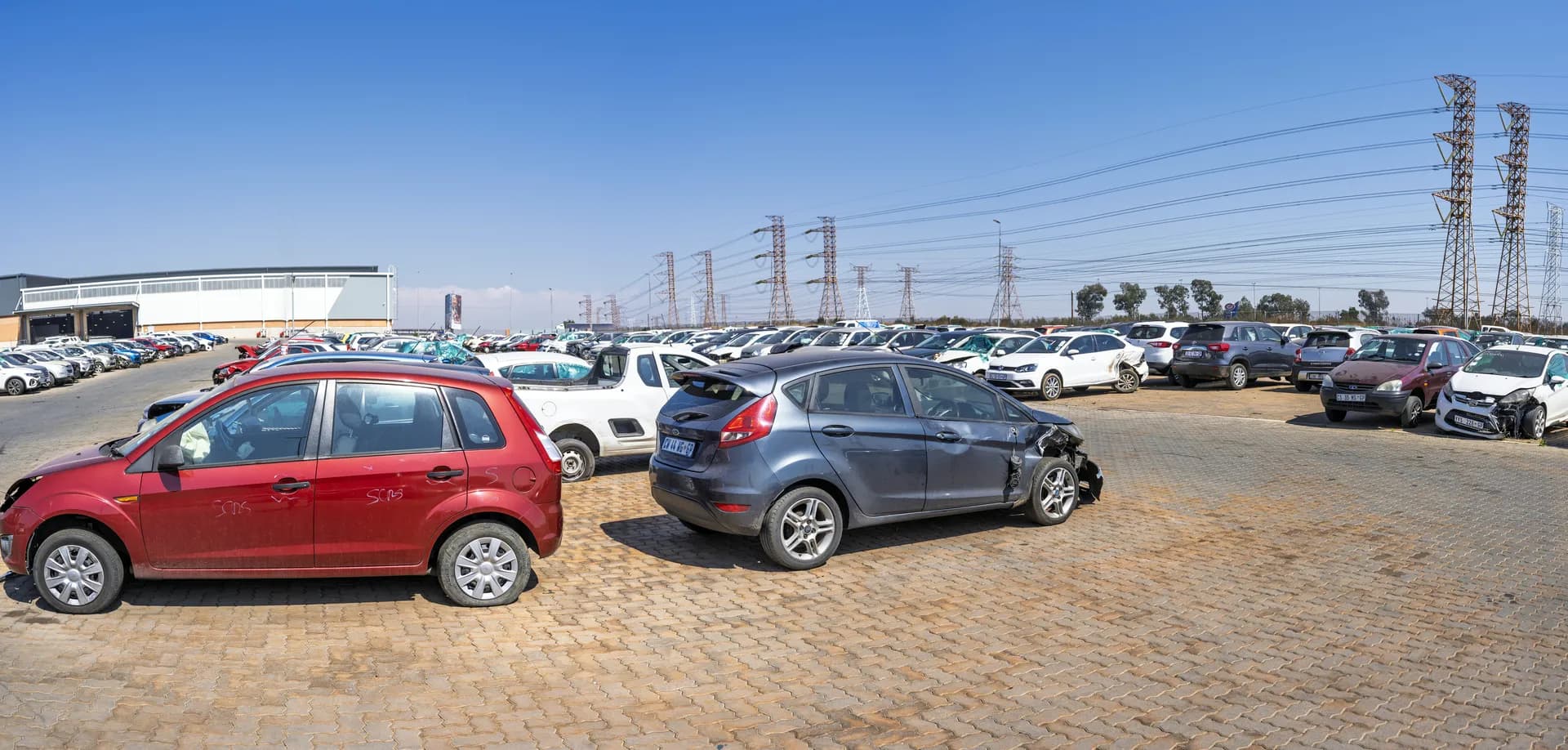
Overview: What is Vehicle History Disclosure?
In South Africa, vehicle history disclosure refers to the legal and ethical responsibility of car sellers to inform buyers of any previous accident damage, insurance write-offs, odometer tampering, or significant repairs. Whether selling privately, to a dealer, or via a specialist like Sell Your Damaged Car, failing to disclose known issues can have serious legal and financial consequences.
Both the Consumer Protection Act (CPA) and the National Road Traffic Act set clear expectations for honest communication about a vehicle's past. This is particularly crucial for owners in Johannesburg, Cape Town, Durban, and other regions who wish to sell a damaged, non-running, or salvage car. Transparency helps prevent disputes, vehicle returns, and penalties.
Why Disclosure is Critical
- Reduces risk of after-sale claims and legal action
- Builds trust and prevents fraud allegations
- Ensures compliance with South African motor trade regulations
Disclosure Requirements: What Must Be Revealed?
South African law does not require a full accident report with every sale, but material facts-those that would influence a buyer's decision or price-must be made known. Common examples include:
- Major accident repairs (body, frame, airbags deployed)
- Write-offs, code 3/rebuilt status, or salvage records
- Flood, hail or fire damage (repaired or not)
- Odometer rollbacks or replacement
- Non-running mechanical issues
| Disclosure Item | Is Disclosure Required? | Notes |
|---|---|---|
| Major Accident History | Yes | Always alert buyer if body/chassis damage or airbag deployment occurred. |
| Insurance Write-off / Code 3 | Yes | Disclose on paperwork - needed for legal transfer. |
| Minor cosmetic repairs | No, but recommended | Small dents/scratches less crucial, unless extensive. |
| Odometer adjustment | Yes | Required under SANS standards for accurate mileage. |
Private Sellers vs Dealerships
Private sellers are also bound by disclosure rules, though standards are stricter for licensed dealers and finance institutions. "Buyer beware" is no longer a shield if you knowingly omit major faults or previous write-offs.
How to Disclose Vehicle History Properly
For South Africans selling a damaged or salvage vehicle, good practice includes providing written details during negotiation, including:
- Damage summary, date and location of incidents
- Copies of insurance or repair assessments (if available)
- Disclosure of Code 3, salvage or rebuilt registration status
- Honest description in any adverts or online listings
When using a professional purchaser such as Sell Your Damaged Car, robust disclosure ensures you meet all legal requirements and simplifies paperwork, including deregistration and title transfer.
Common Risks of Non-Disclosure
- Sale cancellation, refund, or compensation claims by buyers
- Difficulty transferring ownership at licensing offices
- Potential CPA penalties and blacklisting for serious omissions
- Strained insurer relationships or legal action if damage is revealed after transfer
Tips for Selling Damaged or Non-Running Cars
- Be clear about any known accident or mechanical history in your initial communication
- Photograph the vehicle from multiple angles to document its condition
- Retain records of repair jobs and insurance letters
- Ensure the online form you use with car-buying services asks about previous damage - answer honestly
- Check that deregistration and legal transfer forms accurately describe the vehicle's status (e.g., Code 2 vs Code 3)
What If the Vehicle Is Still Under Finance?
If your car has outstanding finance, both the finance institution and purchaser must be informed of any accident or write-off from the outset. The settlement amount could be impacted, and disclosure remains mandatory even if the finance house is the legal titleholder.
Key Takeaways
- South African law requires disclosure of material defects, prior accident history, and salvage status
- Failing to disclose can result in penalties, stalled sales, or costly legal claims
- Using a reputable service like Sell Your Damaged Car helps ensure compliance and a trouble-free transfer
Sources
Seasoned automotive specialists dedicated to helping you turn your damaged or non-running vehicle into cash fast and hassle-free.
Disclaimer: This content is for educational purposes only. Product availability, pricing, and specifications are subject to change. Always verify current details on the retailer's website before making a purchase. We may earn affiliate commissions from qualifying purchases.
Why sell your damaged car to us?

A Division of Auction Nation, the leading expert in selling damaged cars

Best price for your damaged car

Get a cash offer within 24h

We buy damaged cars in any condition

We buy accident- damaged cars still under finance

Free, no obligation offer on your vehicle
How We Calculate Your Damaged Car’s Value
Wondering how we calculate your car’s value? At Sell Your Damaged Car, we look at: Your car’s real condition, its salvage value, and the current market demand. It’s all about honesty, transparency, and fairness — that’s how we determine your offer.
Frequently Asked Questions
Get answers to common questions about Legal And Paperwork
Why Choose Sell Your Damaged Car?
Free Towing
Need a tow? We got you
Hassle Free
Get a cash offer within 24h!
Nationwide
Somewhere remote? No problem!
