
Understanding the Cost of Car Salvage in South Africa - What Affects Value
Learn what affects car salvage values in South Africa: repair costs, parts demand, towing and paperwork. Practical examples and SA-specific tips for owners.
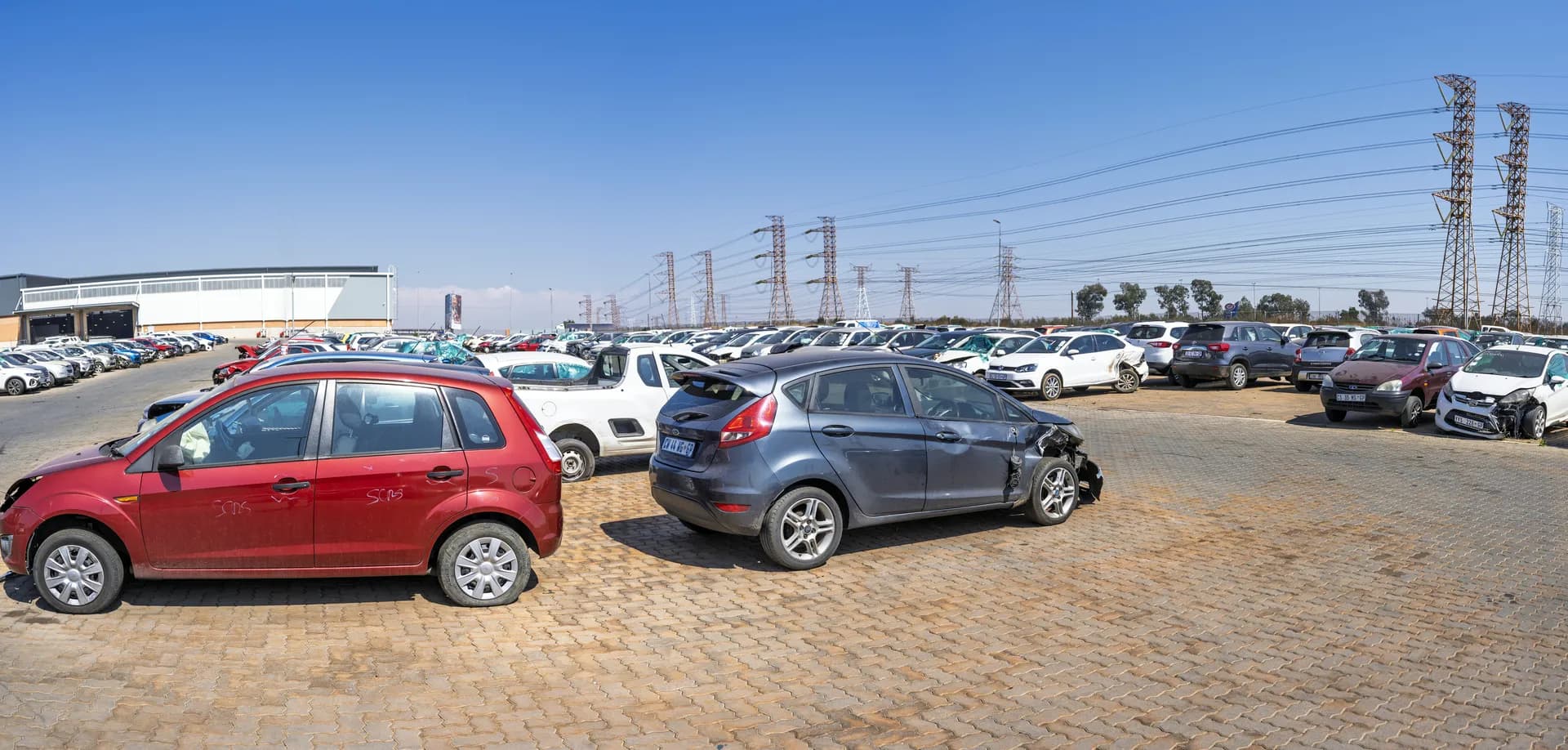
Overview: What 'salvage' means and why costs matter
When a vehicle is written off, flood-damaged, fire-affected or otherwise deemed uneconomic to repair, it enters the salvage market. Understanding the cost of car salvage helps owners decide whether to repair, keep, or sell the vehicle. This guide explains how buyers and insurers value salvage in South Africa, the main factors that lower or raise offers, and practical examples showing typical cost drivers.
Key components of a salvage valuation
- Vehicle market value before damage (blue-book / trade value).
- Estimated repair cost to restore roadworthiness or to salvageable parts.
- Salvage demand for parts or for scrap metal in the local market.
- Logistics: towing, storage and auction fees in South Africa.
Why this matters to car owners in Johannesburg, Cape Town and Durban
Repair costs and salvage demand vary across regions. Major metros often have more buyers for parts and higher auction competition, while remote areas can add towing or transport fees that reduce the net offer. Knowing how each factor affects value helps you decide whether to pursue repairs, keep the vehicle for parts, or sell it as salvage.
Repair cost vs value retained (example table)
| Scenario | Estimated repair cost (R) | Pre-damage market value (R) | Value retained after repair (%) |
|---|---|---|---|
| Minor accident (front bumper, airbag intact) | R12,000 | R160,000 | 85-90% |
| Moderate accident (structural repair needed) | R45,000 | R180,000 | 60-75% |
| Severe write-off (flood or frame damage) | R120,000+ | R220,000 | 10-40% |
Note: figures above are illustrative examples for South Africa and show typical ranges; actual quotes depend on vehicle age, make, model, mileage and local labour/parts costs.
Damage types vs typical offer impact
| Damage type | Typical impact on salvage value |
|---|---|
| Cosmetic (bumper, lights) | Low to moderate reduction; parts often reusable. |
| Mechanical (engine/transmission) | Significant reduction; costly to fix but useful for parts market. |
| Structural/frame | Large reduction; often written off and sold for parts/scrap. |
| Flood or extensive interior damage | Very low salvage offers due to electrical/corrosion risks. |
| Fire damage | Usually low offers unless specific undamaged parts are valuable. |
When to sell salvage vs repair
If estimated repair cost approaches or exceeds the pre-damage market value, selling as salvage is often the better economic choice. Other considerations include the vehicle's age, outstanding finance, the time you can wait for repairs, and the availability of reliable repairers locally. For many owners in Cape Town, Durban and Johannesburg, the ease of converting a damaged car into cash with free towing and handled paperwork is an important factor.
How the salvage process works in practice
- Owner or insurer assesses damage and determines write-off status.
- Vehicle listed on salvage market or offered to specialist buyers.
- Buyers price offers using pre-damage value minus repair/transport costs.
- Upon sale, ownership transfer and any deregistration or finance settlement are completed - fees and responsibilities vary by agreement.
Legal & paperwork considerations in South Africa
In South Africa, a salvage sale must include clear documentation showing change of ownership. Vehicles under finance require settlement with the bondholder before a clean transfer can occur. Services that assist with deregistration and paperwork can reduce delays and ensure compliance with eNaTIS and tax/insurance obligations.
Tips to maximise salvage offers
- Provide clear photos from multiple angles and a honest damage description.
- Supply maintenance records - evidence of recent servicing can improve offers.
- Remove personal items and collect keys/documents before collection.
- Compare multiple offers where possible to understand market range.
- Ask if towing, transfer of ownership and deregistration are included; these can affect net proceeds.
What happens after the sale - examples
Example 1: A 2012 sedan with frontal damage worth R120,000 pre-accident has R60,000 in repair estimates. The salvage market may offer a competitive cash amount below the pre-damage value but above scrap value because many components remain reusable.
Example 2: A 2015 SUV with flood damage has high electrical and corrosion risk. Even if pre-damage value was R200,000, offers will typically be low because restoration costs and future reliability concerns reduce demand.
South Africa-specific notes
- Free towing and handled paperwork significantly reduce sellers' costs and speed up payment when provided by a buyer.
- Vehicles under finance must have the bondholder involved - settlement or consent is often required before transfer.
- Salvage demand fluctuates with local parts markets; metropolitan areas usually fetch higher net offers.
Further reading and related resources
For practical steps on selling a non-running or damaged vehicle, see the Sell Non-Running Car and Sell Damaged Cars pages. If you're concerned about fraudulent buyers or confusing paperwork, review consumer protection guidance such as How to Avoid Being Scammed.
Sources
Seasoned automotive specialists dedicated to helping you turn your damaged or non-running vehicle into cash fast and hassle-free.
Disclaimer: This content is for educational purposes only. Product availability, pricing, and specifications are subject to change. Always verify current details on the retailer's website before making a purchase. We may earn affiliate commissions from qualifying purchases.
Why sell your damaged car to us?

A Division of Auction Nation, the leading expert in selling damaged cars

Best price for your damaged car

Get a cash offer within 24h

We buy damaged cars in any condition

We buy accident- damaged cars still under finance

Free, no obligation offer on your vehicle
How We Calculate Your Damaged Car’s Value
Wondering how we calculate your car’s value? At Sell Your Damaged Car, we look at: Your car’s real condition, its salvage value, and the current market demand. It’s all about honesty, transparency, and fairness — that’s how we determine your offer.
Frequently Asked Questions
Get answers to common questions about Damage Types
Why Choose Sell Your Damaged Car?
Free Towing
Need a tow? We got you
Hassle Free
Get a cash offer within 24h!
Nationwide
Somewhere remote? No problem!
