
How to Avoid Scams When Selling Scrap Vehicles in South Africa
Learn practical, SA-specific steps to avoid scams when selling scrap or damaged vehicles: verification, secure payment, paperwork and safe collection practices.
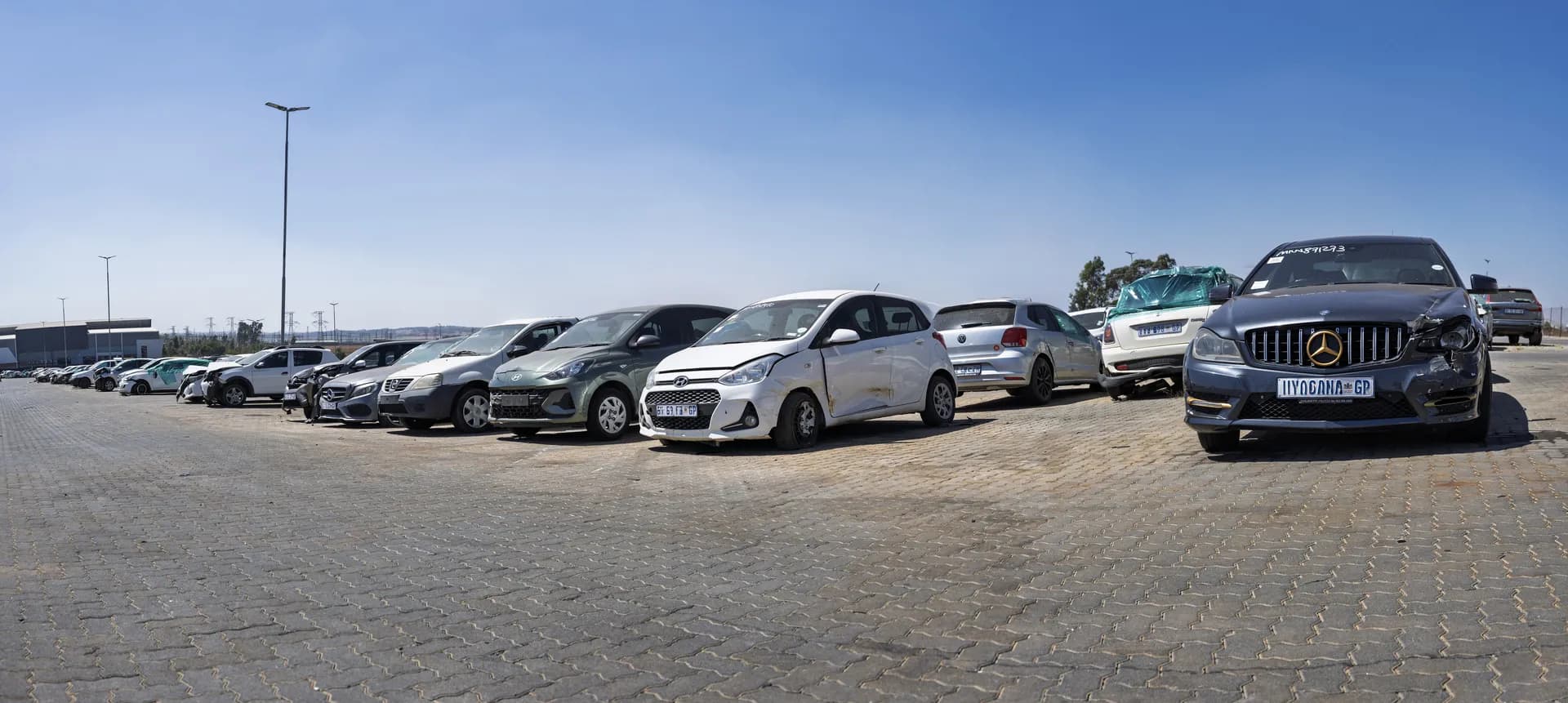
Overview: Why scam awareness matters when selling scrap vehicles
Selling a scrap or damaged vehicle can be quick cash or an administrative headache. Scammers target sellers who need fast disposal - offering upfront payments that never arrive, asking for personal documents, or requesting fees for collection. This guide explains how to avoid scams when selling scrap vehicles in South Africa and walks through safe steps from valuation to collection.
Common scam types to watch for
- Fake bank confirmations or delayed payment excuses.
- Buyers requesting original ID, car documents or bank details via unsecured channels.
- Upfront 'collection' or 'admin' fees that then disappear.
- Pressure to accept an offer without written terms or a contract.
When to sell vs repair
Deciding whether to repair or sell scrap vehicles depends on repair cost, remaining market value and urgency. If repair estimates exceed the vehicle's post-repair market value, selling as scrap or salvage is often the safer financial choice. Sellers who need quick cash or want to remove liability (insurance, storage, or safety risks) should prioritise selling.
| Scenario | Typical Decision |
|---|---|
| Repair cost > Estimated market value | Sell as scrap or salvage |
| Minor damage with low repair cost | Consider repair and private sale |
| Vehicle non-running and high towing cost | Sell to buyer who offers free towing |
How the safe selling process should work
A transparent buyer follows clear steps: an online valuation or written offer based on photos and details, a confirmed collection time, paperwork assistance (including transfer/deregistration) and verified payment on or shortly after collection. Avoid buyers who demand personal documents before providing a written offer or who ask for fees to arrange collection.
Quick checklist: request a written quote, confirm payment method, verify company identity, and use tracked communication (email or platform messages).
Damage types vs typical offer impact (general guidance)
| Damage Type | How it typically affects offers |
|---|---|
| Structural accident damage | Significantly reduces offer due to repair complexity |
| Mechanical failure (engine/gearbox) | Lower offers, but salvageable parts retain value |
| Flood or fire damage | Major reduction; many buyers treat as scrap only |
| Non-running due to battery/flat tyres | Smaller impact if easy to move; towing terms matter |
Note: These are general patterns. Actual offers depend on model, age, parts demand and local salvage market conditions in South Africa.
If you want more practical help with non-running cars or damaged vehicles, see our Sell Non-Running Car and Sell Damaged Cars resources for step-by-step options and company-specific procedures.
Legal & paperwork in South Africa
Completing the transfer or deregistration correctly reduces fraud risk. In South Africa, ensure the buyer provides a written purchase agreement that includes the vehicle registration number, VIN/chassis number, agreed cash amount, collection date and signatures. If the vehicle is still financed, notify the financer and obtain payoff instructions - do not hand over the vehicle until finance is settled or the financer authorises release.
Secure payment and ID verification
- Prefer electronic bank transfers that clear into your account before handing over keys; confirm using your own bank's app or branch.
- Do not accept screenshots of payments as proof. Use a confirmed cleared payment or bank-issued deposit slip.
- Verify the buyer's company or ID: check company registration or supplier references and save contacts.
Tips to maximise your offer while staying safe
- Provide clear photos and honest descriptions to get accurate offers and avoid disputes.
- Keep original documents secure and only share copies until payment clears.
- Get multiple written offers to compare and identify outliers that may be scams.
- Prefer buyers who offer free towing and handle paperwork - these reduce your exposure to upfront costs and logistics fraud.
What happens after collection
A reputable buyer will collect the vehicle at the agreed time, complete a signed handover form and provide written confirmation of payment. They should also assist with deregistration or transfer forms and provide proof when the process is complete. Keep copies of every transaction document, payment confirmation and communication for at least 12 months.
Practical examples and scenarios
Example 1 - Johannesburg private seller: Received three written offers; chose the buyer who provided a company registration number, clear payment terms (cleared EFT on collection) and free towing. Payment was verified in the bank app before handing over the keys.
Example 2 - Coastal scrap vehicle: A seller in Durban was offered a higher price by a buyer requesting an upfront R500 collection fee. The seller declined, checked references and accepted a lower offer from a buyer who offered free collection and provided a written agreement.
Sources
- Roadworthy Vehicle Network (industry guidance on salvage and transfers) - https://www.rvn.co.za/
- South African Revenue Service (vehicle transfer and tax considerations) - https://www.sars.gov.za/
- CIPC (verify company registrations in South Africa) - https://www.companyandintellectualpropertycommission.gov.za/
- Banking Association of South Africa (payment safety tips) - https://www.bankingsa.co.za/
Estimated figures: towing or admin fees vary widely across South Africa; free towing offers reduce your upfront costs. Always confirm in writing whether collection is free and who is responsible for deregistration.
Final note: preventing scams when selling scrap vehicles combines verification, written documentation and cautious money-handling. Use multiple written offers, insist on cleared payment, and prefer buyers who handle towing and paperwork to reduce your risk. how-to-get-the-best-offer-for-your-damaged-car-in-south-africa
Seasoned automotive specialists dedicated to helping you turn your damaged or non-running vehicle into cash fast and hassle-free.
Disclaimer: This content is for educational purposes only. Product availability, pricing, and specifications are subject to change. Always verify current details on the retailer's website before making a purchase. We may earn affiliate commissions from qualifying purchases.
Why sell your damaged car to us?

A Division of Auction Nation, the leading expert in selling damaged cars

Best price for your damaged car

Get a cash offer within 24h

We buy damaged cars in any condition

We buy accident- damaged cars still under finance

Free, no obligation offer on your vehicle
How We Calculate Your Damaged Car’s Value
Wondering how we calculate your car’s value? At Sell Your Damaged Car, we look at: Your car’s real condition, its salvage value, and the current market demand. It’s all about honesty, transparency, and fairness — that’s how we determine your offer.
Frequently Asked Questions
Get answers to common questions about Tips And Advice
Why Choose Sell Your Damaged Car?
Free Towing
Need a tow? We got you
Hassle Free
Get a cash offer within 24h!
Nationwide
Somewhere remote? No problem!
